I grew up with a garden plot in my backyard, where my dad taught me that the best meals start with what you grow. Over the years, I’ve filled notebooks with planting tips, pruning tricks, and the occasional lesson learned the hard way—like why you should never ignore a wilting tomato plant. This site is my way of paying forward those lessons, sharing the joy of nurturing plants, and helping others turn their green thumbs into thriving harvests—one seed at a time.
Deer-proof fruit trees start with the right defenses—because those four-legged thieves will strip a young tree bare in a single night. 🌳 I learned this the hard way when my first apple tree became a deer buffet, leaving…
💥 Quick Answer Flowers do attract fruit flies, especially overripe or fermenting blooms like roses, lilacs, and fruit-bearing plants, which emit odors and sugars they seek. Their larvae thrive in decaying plant matter…
💥 Quick Answer Fruit trees attract rats because fallen fruit, seeds, and sap provide food and shelter, especially during harvest season when rodents seek easy meals. Overripe or rotting produce accelerates the problem…
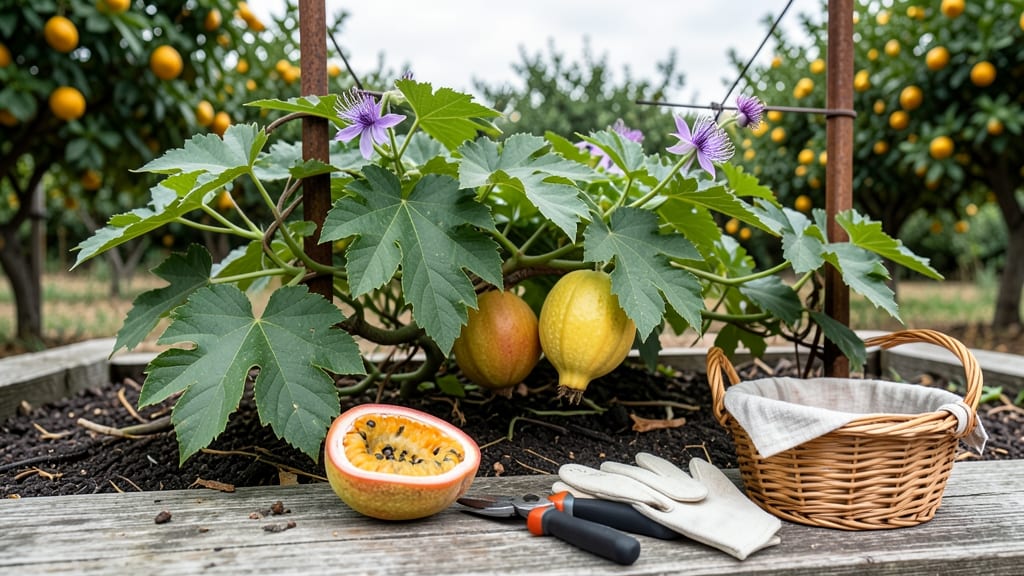
💥 Quick Answer Passionfruit do not ripen off the vine—they require the plant’s natural ethylene production to fully develop sweetness and flavor. Harvest when firm but yielding, then store at room temperature for 1-2…
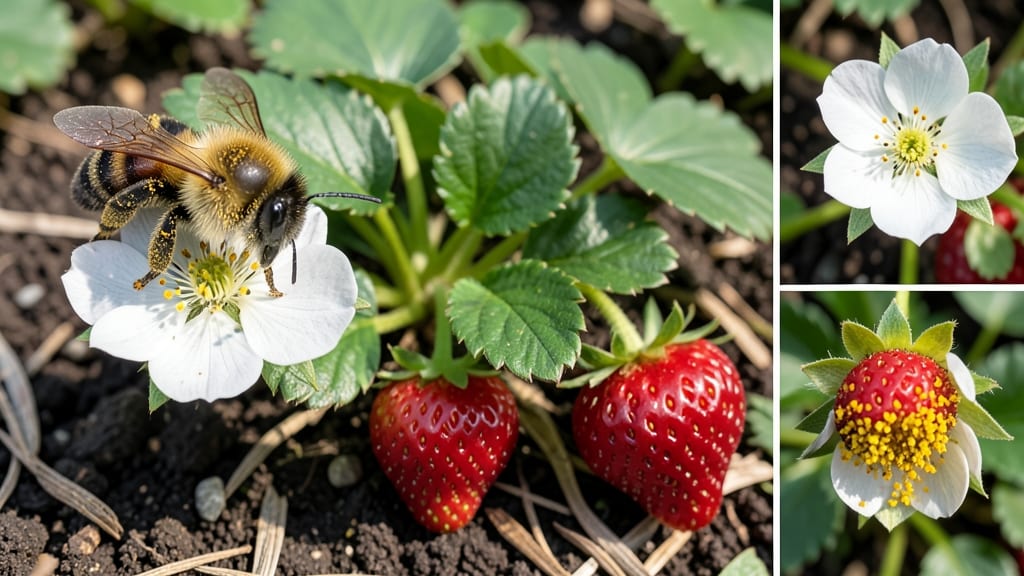
💥 Quick Answer Strawberries need pollinators to produce fruit, but they can self-pollinate through wind or vibrations. While bees and other insects boost fruit production, certain varieties thrive even with minimal…
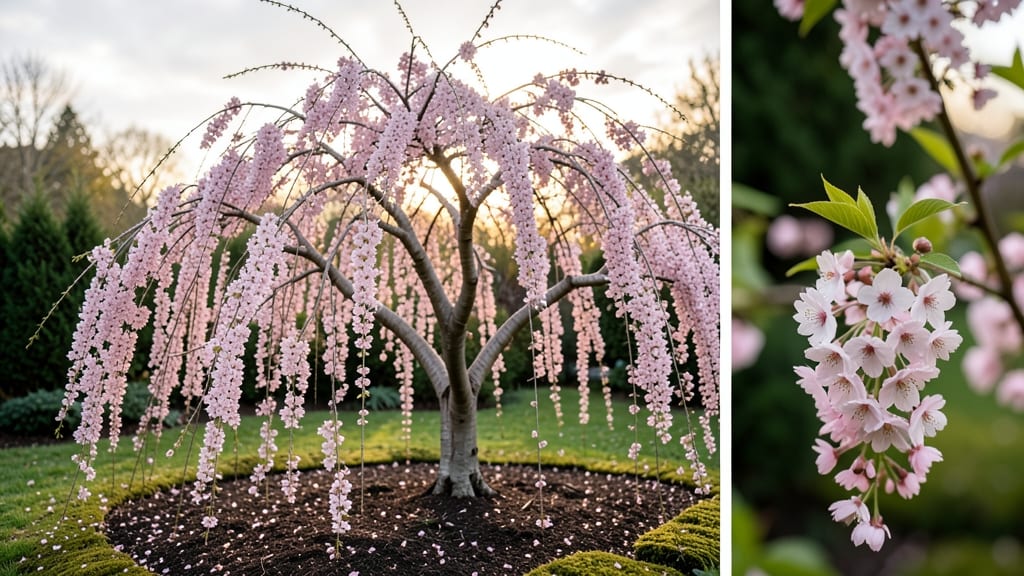
💥 Quick Answer Weeping cherry trees typically do not bear fruit because their primary focus is on producing stunning spring blooms rather than developing fruit, though a few rare varieties might yield tiny, non-edible…
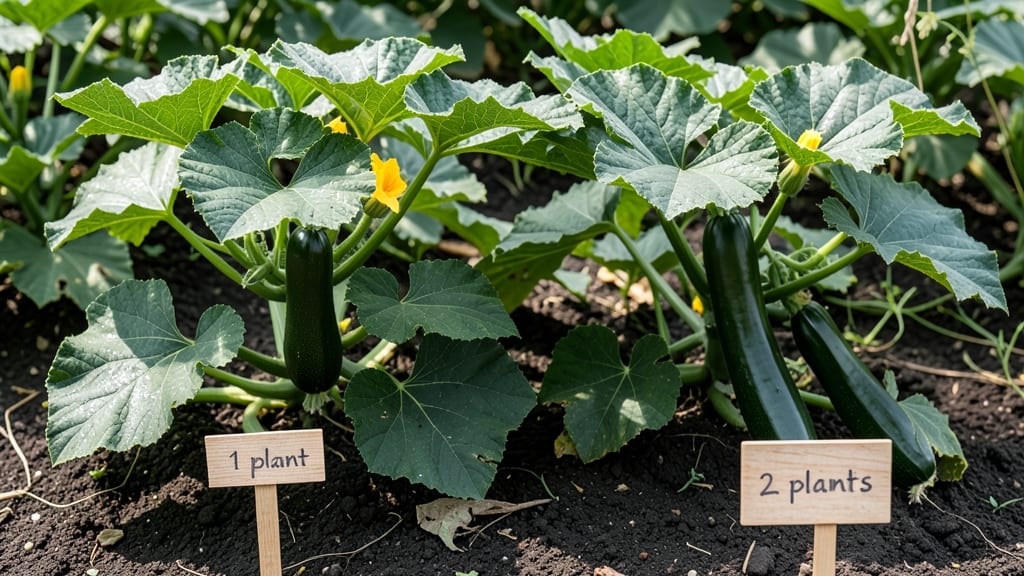
💥 Quick Answer You don’t need 2 zucchini plants to get fruit—zucchini are self-pollinating, meaning a single plant can produce both male and female flowers for fertilization. However, planting multiple plants increases…
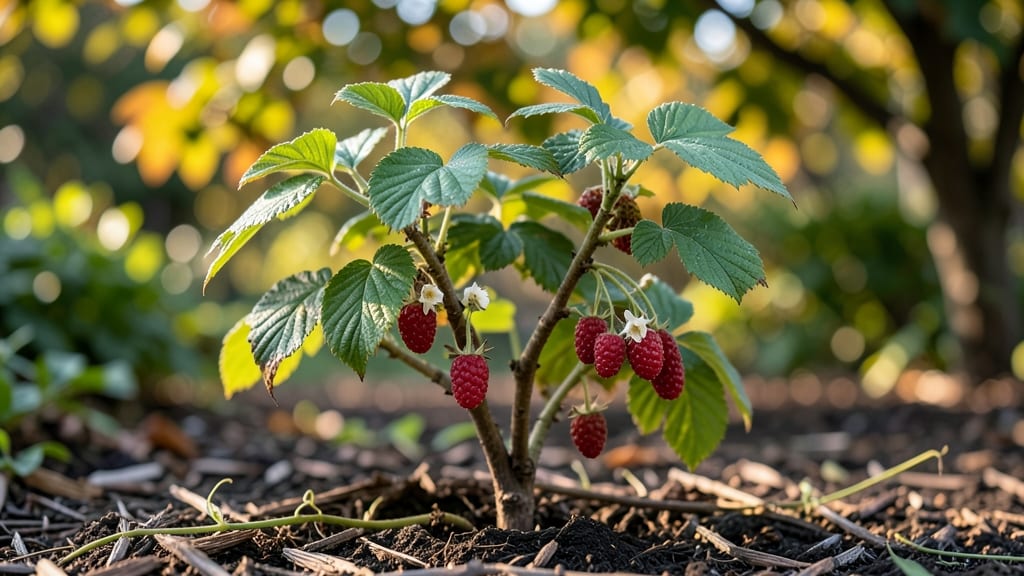
💥 Quick Answer You don’t need two raspberry bushes to get fruit—most varieties are self-pollinating, meaning a single plant can produce berries. However, cross-pollination from a second plant nearby may improve yield…
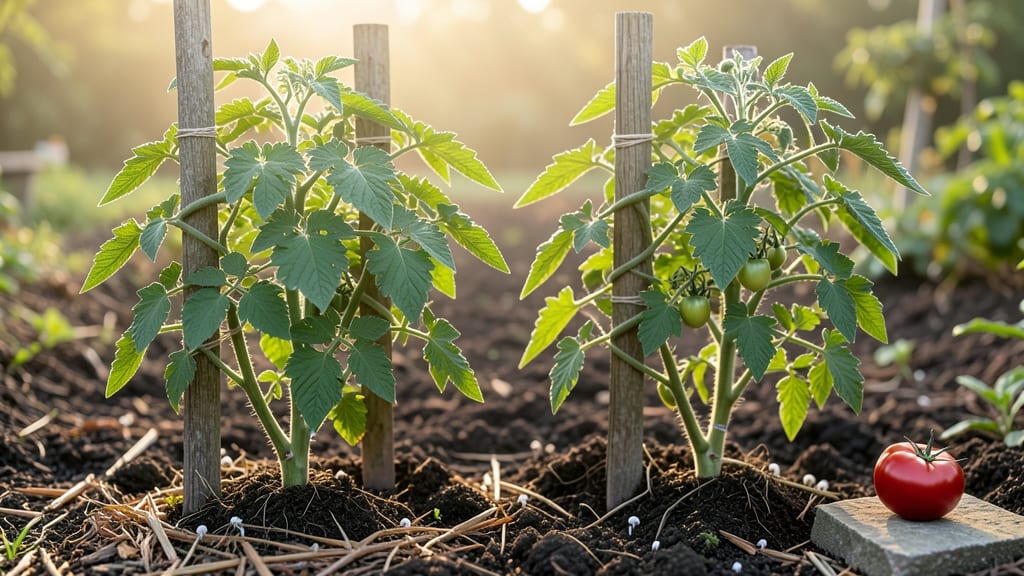
💥 Quick Answer You don’t need two tomato plants to produce fruit—most varieties are self-pollinating, meaning a single plant’s flowers can fertilize themselves via wind or insects. Hybrid and heirloom tomatoes often…
💥 Quick Answer Yes, passion fruit may make you sleepy because it contains natural compounds like harman and harmine , which can promote relaxation and drowsiness in some people. These alkaloids influence…