
Trees
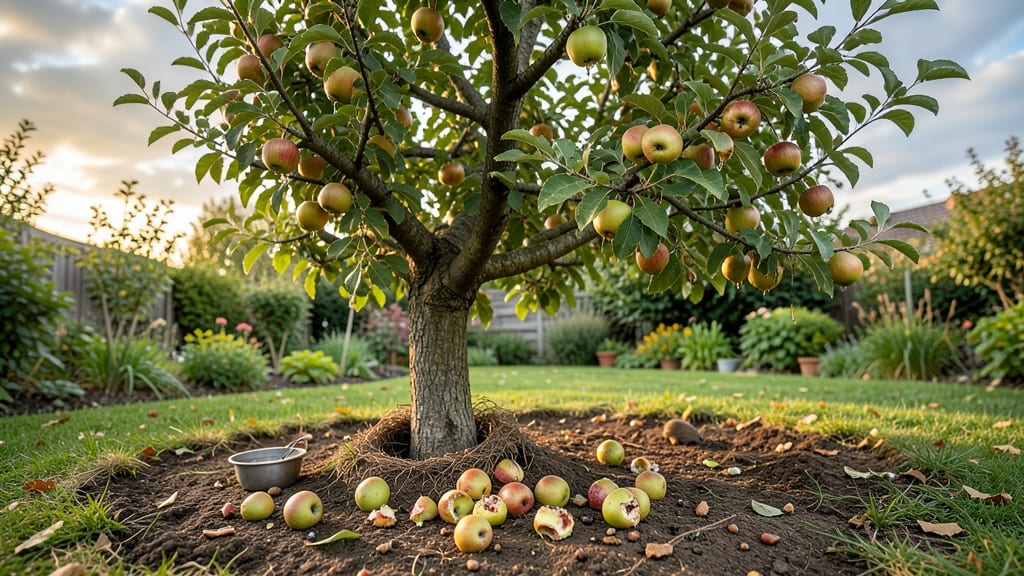
Fruit trees attract rats because fallen fruit, seeds, and sap provide food and shelter, especially during harvest season when rodents seek easy meals. Overripe or rotting produce accelerates the problem, creating nesting sites in bark crevices or dense foliage.
Fruit trees become rodent magnets primarily because they offer a year-round buffet of easy, high-calorie meals. 🐀 Rats are drawn to the sweet, soft textures of overripe fruit and the sticky sap that drips from branches, which they can't resist.
The problem peaks during harvest season when fruit falls abundantly, creating both food sources and potential nesting spots in thick foliage or bark cracks. Citrus and fig trees are particularly notorious for attracting pests, as their strong scents carry farther and signal a reliable food supply.
This attraction isn't just about taste—rats also seek shelter from predators and weather. The dense canopies and crevices of fruit trees provide perfect hiding spots, while the fallen fruit creates a natural food trail that leads them right to your yard.
Understanding this behavior is key to implementing effective prevention strategies that address both food availability and shelter opportunities.
💡 In This Article
- Why Rats Are Drawn to Fruit Trees
- Natural Ways to Deter Rats from Fruit Trees
Why rats are drawn to fruit trees
Fruit trees act like all-you-can-eat buffets for rats because they offer a concentrated source of calories and moisture. The sugar content in fruit—especially in varieties like figs (which can contain up to 20% sugar) or citrus fruits—provides quick energy that rats can't resist.
Their natural foraging instincts kick in when they detect these sweet scents, which can travel up to 100 feet in still air. This is why you'll often see rat activity spike within 24-48 hours after fruit begins to ripen and fall.
The texture of fruit also plays a role—soft, overripe fruit is easier for rats to gnaw and digest than harder varieties. 🐀 Their sharp incisors can easily puncture even tougher skins like apples or peaches, creating a mess that attracts more rodents.
The sticky sap from trees further enhances the appeal, as it provides both food and a moisture source that's especially valuable during dry seasons. Citrus trees, with their abundant sap and strong citrus scent, are particularly problematic because the aroma acts like a dinner bell for nearby rats.
Seasonal behavior explains why rat infestations peak during harvest times. Rats are most active in fall and winter when natural food sources dwindle, making fruit trees an irresistible alternative. A single mature apple tree can produce 1,000-2,000 pounds of fruit annually, creating a food surplus that rats can't ignore.
The combination of abundant food and the tree's natural shelter—like thick branches or bark crevices—makes fruit trees ideal rodent habitats.
Different tree types attract rats in distinct ways. Citrus trees, for example, offer both fruit and sap, while fig trees provide dense foliage that creates perfect nesting spots. Apple trees, with their large canopies and fallen fruit, become rat highways during harvest season.
The key difference lies in how accessible the food is—trees with low-hanging branches or ground-level fruit (like strawberries) see more rat activity than those with elevated fruit clusters.
Rats also use scent trails to locate food sources. When one rat discovers a fruit tree, it leaves pheromone trails that guide others to the same location. This communal sharing explains why rat problems often appear suddenly and escalate rapidly.
The more rats that feed from a tree, the more they'll return—and the more they'll bring their young to the area.
Understanding these behavioral patterns helps explain why simple solutions like picking up fallen fruit aren't always enough. Rats are highly intelligent and will quickly adapt to changes in their food supply.
This is why prevention strategies need to address both the immediate food source and the long-term attractants that draw them to fruit trees in the first place. 🌳