
Fertilization
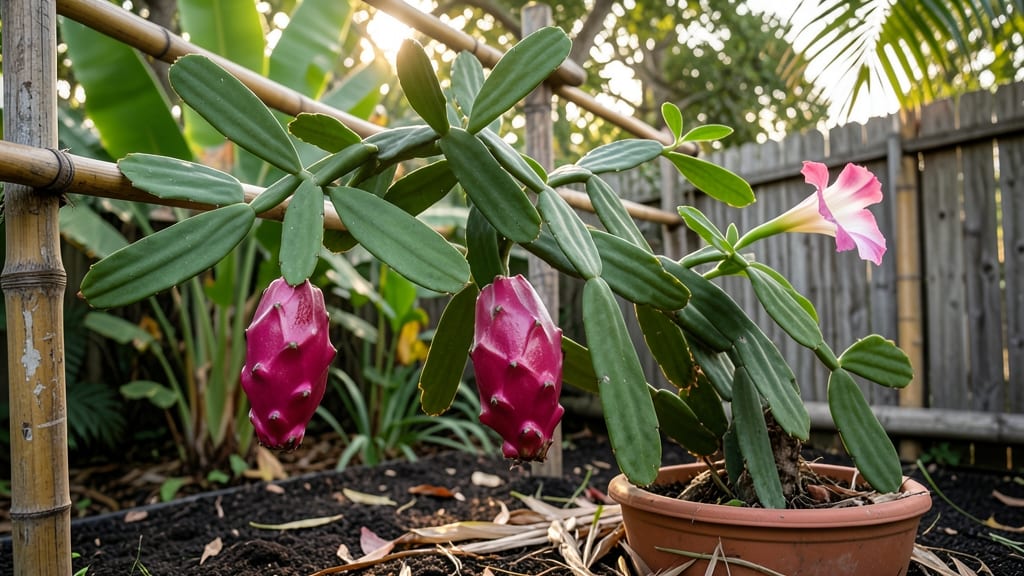
Growing giant dragon fruit means purple blooms that turn heads and fruit the size of baseballs. 🌱 I learned the hard way that these tropical vines need perfect conditions—or they’ll sulk and refuse to flower.
The key isn’t just heat and sun; it’s mimicking their natural jungle habitat in your backyard or containers. These vines thrive in zones 9-11, but with proper winter care, you can push them into zone 8 too.
They’ll climb trellises or sprawl across fences, so give them 10+ feet of space or a sturdy support system. The soil? Well-draining and rich in organic matter—think 50% cactus mix, 30% perlite, and 20% compost—to keep roots happy without drowning them.
By summer, you’ll see those 3-foot-wide night-blooming flowers that hummingbirds and moths can’t resist. The fruit itself? Sweet, crunchy, and packed with antioxidants—nothing like the tiny store-bought versions.
With the right pollinators (or a little help from a paintbrush), you’ll harvest 2-3 pound fruits that taste like a mix of kiwi and pear. Container growing works too—just use a 15-gallon pot and prune aggressively. The trade-off? Fewer fruits, but still impressive blooms.
Here’s how to keep them thriving year-round, even if you’re not in a tropical climate.
📚 In This Guide
- What you need
- Instructions
- Tips and common mistakes
- Wrapping up and next steps
What you need
- ● Dragon Fruit Plant (Hylocereus undatus or Hylocereus megalanthus) – Choose a healthy, mature cutting (6–12 inches long) with at least 2–3 nodes.
- ● Well-draining potting mix – A blend of cactus/succulent soil (60%), perlite or pumice (20%), and compost (20%).
- ● 5–7 gallon container – Ensure it has drainage holes (plastic or fabric pots work great!).
- ● Slow-release fertilizer – A balanced 10-10-10 NPK or organic compost (like worm castings).
- ● Support structure – A trellis, bamboo stake, or wire cage (6+ feet tall) for climbing.
- ○ Pollinators (optional but recommended) – Mason bees, hummingbirds, or bat-friendly habitats to boost fruit set.
- ● Pruning shears or sharp knife – For trimming and harvesting.
- ● Gloves – Cactus spines can be prickly!
- ● Watering can with a rose nozzle – For gentle hydration.
- ○ pH testing kit (optional) – Ideal soil pH: 6.0–7.0.
- ● Sunlight access – Full sun (6+ hours/day) or a grow light for indoor setups.
- ● Patience! 😉 – Dragon fruit takes 18–24 months to bear fruit.
Step-by-step instructions for cultivating giant dragon fruit vines
Here’s how to grow these striking vines with vibrant purple blooms that hummingbirds can’t resist.
🌱 Step 1: Select and Prepare the Right Growing Medium
Giant dragon fruit thrives in well-draining, airy soil with a slightly acidic pH between 5.5 and 6.5. I mix 50% coconut coir, 30% perlite, and 20% compost to create a light, fast-draining blend that mimics their natural epiphytic habitat. Avoid garden soil—it compacts too easily and suffocates roots.
Fill a 12-inch diameter container with the mix, leaving 2 inches of space at the top for watering. Tap the pot gently to settle the soil, then water until moisture runs freely from the drainage hole. This ensures the roots start in a uniformly damp environment without waterlogging.
☀️ Step 2: Plant the Cutting and Position for Optimal Light
Use a healthy, vine-tipped cutting with at least 3-4 nodes (the bumps where leaves and roots emerge). Dip the cut end in rooting hormone to encourage faster establishment, then plant it 1 inch deep in the prepared soil. Gently press the mix around the stem to secure it without compacting.
Place the container in a spot with full sun exposure (6-8 hours daily)—a south-facing window or greenhouse works best. Dragon fruit vines crave warmth, so keep temperatures between 65-90°F. If indoors, supplement with a grow light positioned 6-12 inches above the plant to prevent leggy growth.
💧 Step 3: Water and Fertilize for Strong Initial Growth
Water the cutting every 2-3 days, allowing the top 1-2 inches of soil to dry between waterings. Overwatering is the fastest way to rot the roots—you’ll know it’s time when the soil feels dry to the touch but not bone-dry. Mist the leaves lightly in the morning to boost humidity, which mimics their tropical origins.
After 4-6 weeks, when new leaves appear, switch to a balanced liquid fertilizer (10-10-10 ratio) diluted to half-strength. Apply it every 2 weeks during the growing season (spring and summer) to fuel rapid vine development. Stop fertilizing in fall and winter when growth slows.
✂️ Step 4: Train and Prune for Maximum Blooms
As the vine grows, guide it along a trellis or sturdy support to encourage upward growth and better air circulation. Prune any leggy or weak stems to redirect energy into stronger, flowering branches. When you see buds forming, reduce water slightly to stress the plant just enough to trigger blooming.
Remove spent blooms promptly to redirect the plant’s energy into new flowers. Dragon fruit vines produce stunning purple blooms that open at night and close by midday—this is their natural pollination window. Hand-pollinate by gently transferring pollen between flowers with a small brush if no pollinators are present.
🪴 Step 5: Overwinter and Prepare for Next Season
When temperatures drop below 50°F, move the container indoors to a bright, cool spot (around 55-60°F). Reduce watering to once every 10-14 days, letting the soil dry more thoroughly between waterings. Prune back any dead or yellowing leaves to conserve energy for dormancy.
In early spring, repot the vine into a slightly larger container if roots are circling the edges. Refresh the top 2 inches of soil with new potting mix to replenish nutrients. Resume regular watering and fertilizing as new growth appears—this jumpstarts the blooming cycle for another vibrant season.
Tips & tricks for perfect giant dragon fruit cultivation
Here's what I've learned from years of growing these tropical beauties—avoid these common pitfalls for lush, flowering vines.
Soil Mix Precision: The 50-30-20 ratio of coconut coir, perlite, and compost isn't just arbitrary—it's about aeration. Too much compost can compact over time, while too little perlite reduces drainage. I sift the mix through a fine mesh screen before potting to eliminate clumps that could suffocate roots. For containers larger than 12 inches, increase perlite to 35% to maintain that airy texture.
Lighting Strategy: Dragon fruit vines need that full 6-8 hours of sunlight daily, but intensity matters just as much as duration. If growing indoors, position your plant within 2 feet of the south-facing window during winter months when sunlight is weaker. I've found that rotating the container weekly ensures even growth—vines naturally lean toward the light source, creating lopsided plants if left unchecked.
Watering Cues: The "top 1-2 inches dry" rule works, but there's a better way to check moisture: press your finger 1 inch into the soil. If it feels like a damp sponge (not wet, not dry), you're golden. I water in the morning so excess moisture evaporates during the day, preventing fungal issues. During summer heatwaves, I increase frequency to every 1-2 days while maintaining this moisture check—overwatering is the silent killer of dragon fruit vines.
Fertilizer Timing: That 4-6 week mark before fertilizing isn't just about root establishment—it's about letting the plant acclimate to its new environment. I start with half-strength fertilizer because dragon fruit vines are sensitive to salt buildup. After the initial 2-week cycle, I alternate between the 10-10-10 liquid fertilizer and a phosphorus-heavy formula (like 5-10-10) during bloom season to encourage flowering. The key is consistency: missing even one feeding can disrupt the vine's growth rhythm.
Pro Tips for Giant Dragon Fruit
- Here's what I've learned from years of growing these tropical beauties—avoid these common pitfalls for lush, flowerin...
- Soil Mix Precision: The 50-30-20 ratio of coconut coir, perlite, and compost isn't just arbitrary—it's about aeration...
- Lighting Strategy: Dragon fruit vines need that full 6-8 hours of sunlight daily, but intensity matters just as much ...
Frequently asked questions
How long does it take for a giant dragon fruit plant to bear fruit?
A giant dragon fruit (Hylocereus megalanthus) typically takes 2–3 years to produce its first fruit after planting, assuming it’s mature enough (usually 3–5 years old). Patience is key—these vines prioritize root and vine growth before flowering. Pro tip: Ensure full sun (6+ hours daily) and a sturdy trellis to speed up maturity!
Why aren’t my giant dragon fruit flowers pollinating?
Dragon fruit flowers are night-blooming and rely on moths (like the saguaro moth) for pollination. If flowers aren’t setting fruit, try:
- Hand-pollinating with a soft brush at night (flowers open ~8 PM).
- Attracting pollinators with nearby night-scented plants (e.g., jasmine).
- Checking temps—flowers may drop if nights dip below 55°F (13°C).
Can I grow giant dragon fruit in containers? What size pot do I need?
Yes! Giant dragon fruit thrives in containers but needs space to climb. Use a pot at least 15–20 gallons (20–24" diameter) with drainage holes. Key tips:
- Trellis attachment: Secure a 10–12 ft trellis to the pot’s rim.
- Watering: Containers dry faster—water deeply 2–3x/week in hot climates.
- Avoid overcrowding: Prune aggressively to prevent root-bound stress.
Are giant dragon fruits sweeter than regular dragon fruits?
Hylocereus megalanthus (giant dragon fruit) boasts larger, sweeter, and creamier flesh than its smaller cousins. The flavor is tropical, honey-like with mild vanilla notes, while regular dragon fruit leans more tart. Fun fact: The seeds are edible too—crunchy and nutty!
What should I do if my dragon fruit plant gets yellow leaves?
Yellow leaves usually signal overwatering, nutrient deficiency, or pests. Troubleshoot with this checklist:
Issue
Solution
Overwatering
Let soil dry 2–3 inches deep between waterings; improve drainage.
Nutrient deficiency
Fertilize with a balanced 10-10-10 or citrus-specific blend every 4–6 weeks.
Pests (e.g., spider mites)
Spray with neem oil or insecticidal soap; wipe leaves with soapy water.
Can giant dragon fruit grow in cold climates?
Giant dragon fruit is tropical and cannot tolerate frost—even a light freeze (below 32°F/0°C) will kill the plant. Workarounds:
- Grow in containers and move indoors during winter.
- Plant in USDA Zones 10–11 or use a greenhouse.
- Choose hardier varieties like Hylocereus undatus if cold snaps are inevitable.
Wrapping up and next steps
The giant dragon fruit isn’t just a stunning addition to your garden—it’s a rewarding challenge that brings vibrant blooms and thriving pollinators to your space! 🌺 By mastering the right fertilization techniques, soil balance, and pollination strategies, you’ll unlock a harvest of those iconic, eye-catching fruits.
Ready to take the next step? Start by planting your first seedling or expanding your existing vine—your garden (and local bees!) will thank you.
Pro tip: 💡 Keep a journal to track your dragon fruit’s growth—note what works (and what doesn’t) to refine your approach over time!