
Pruning
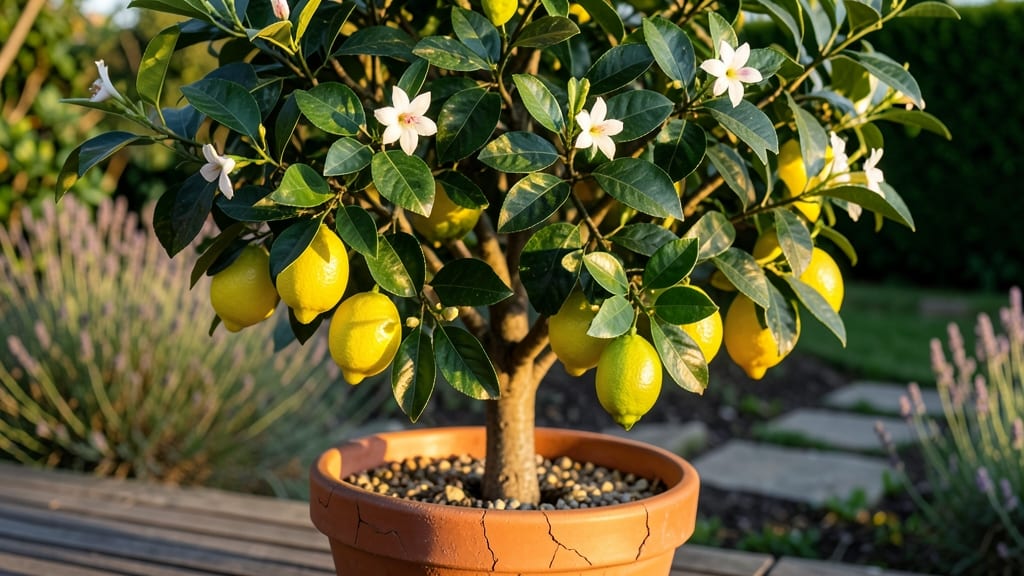
Creating a citrus fruit salad tree starts with the right varieties—think finger limes, kumquats, or dwarf mandarins—all designed to thrive in containers and produce bite-sized, salad-ready fruit. 🌱 I’ve grown these for years, and the key isn’t just selecting the right plants but training them to stay compact through precise, year-round pruning.
The payoff? A tabletop-sized tree bursting with flavorful citrus you can snip straight into salads, cocktails, or desserts.
This isn’t about forcing a full-sized orange tree into a pot—it’s about choosing dwarf or semi-dwarf varieties that naturally stay small (3–6 feet tall) with the right care.
You’ll need well-draining soil, a sunny spot (6+ hours of light daily), and a container with drainage holes—terracotta works best for heat retention. Pruning is the secret weapon: shape the tree in early spring, then lightly trim after harvests to encourage bushier growth and prevent legginess.
By summer, you’ll harvest bright, jewel-toned fruits perfect for garnishes or fresh eating—no peeling required with varieties like finger limes or Meyer lemons. The tree stays productive for years with minimal maintenance, and the pruning process becomes second nature after your first harvest.
Even in colder climates, these varieties tolerate brief chills (down to 20°F) if protected.
Works for patios, balconies, or even sunny windowsills with grow lights. The real magic? Turning a single tree into a multi-purpose harvest—leaves for tea, blossoms for decor, and fruit for everything from salads to cocktails. Let’s get your tree shaped for success.
📚 In This Guide
- What you need
- Instructions
- Tips and common mistakes
- Wrapping up and next steps
What you need
- ● Citrus trees: 3-5 dwarf varieties (e.g., Meyer lemon, Calamondin orange, Kumquat, Satsuma mandarin) – Ensure they’re disease-free and in 3-5 gallon pots.
- ● Grafting tools: Sharp grafting knife or pruning shears (sterilized with rubbing alcohol).
- ● Small grafting clips or rubber bands (for securing grafts).
- ● Rootstock: Healthy, disease-resistant trifoliate orange or cleopatra mandarin rootstock (1-year-old whips).
- ● Potting mix: Well-draining citrus-specific soil (or a mix of 60% peat moss, 30% perlite, and 10% sand).
- ● Containers: 5-7 gallon pots with drainage holes (one per tree or a shared tree salad tree planter).
- ● Pruning supplies: Disinfectant (e.g., 70% isopropyl alcohol or bleach solution).
- ○ Pruning sealer (optional, for larger cuts).
- ● Support: Small bamboo stakes or tree ties (to secure young trees).
- ● Grafting tape: Specialized grafting tape for cleaner cuts and better healing.
- ● Slow-release fertilizer: Citrus-specific granular fertilizer (e.g., 6-6-6 NPK ratio).
- ● Mulch: Pine bark fines or gravel to retain moisture and regulate temperature.
- ● Humidity dome: Clear plastic cover for grafts during the initial healing phase.
- ● Gloves: Lightweight gardening gloves to protect from thorns and sap.
How to prune a citrus tree for compact, fruitful growth
Transform your citrus tree into a lush, manageable fruit salad tree with these precision pruning techniques.
✂️ Step 1: Assess the Tree’s Structure and Remove Dead Wood
Start by examining your citrus tree for any dead, diseased, or crossing branches—these compete for energy and invite pests. Use sharp pruning shears to make clean cuts just above a leaf node or outward-facing bud. I always prune in late winter or early spring, just before new growth begins, when the tree is still dormant but ready to rebound.
Look for branches that rub against each other or grow inward—they’ll create wounds and weaken the tree. Remove these first, then trim any dead wood that snaps easily when bent. Healthy wood should bend slightly before breaking. If you’re unsure, make a small cut to expose fresh green tissue inside; if it’s brown, it’s dead and needs removal.
✂️ Step 2: Shape the Tree for Compact Growth
Citrus trees thrive when pruned to encourage a balanced, bushy shape rather than a single trunk. Aim for a multi-stemmed base with several main branches spreading outward. Cut back any overly long branches by about one-third to stimulate branching. For example, if a branch is 3 feet long, trim it to 2 feet, leaving a strong lateral bud or leaf node.
Focus on opening up the center of the tree to improve airflow and sunlight penetration—this prevents fungal diseases and helps fruit ripen evenly. Avoid heavy pruning in one season; instead, spread it out over 2-3 years to avoid shocking the tree. You’ll see new growth within 4-6 weeks of pruning, signaling the tree is responding well.
✂️ Step 3: Encourage Fruit Production with Strategic Cuts
To maximize fruit yield, target branches that bear fruit heavily and prune them back after harvest. Cut just above a leaf node where new growth can emerge. Avoid over-pruning fruiting branches, as this can reduce next year’s crop. Instead, focus on removing only the oldest or most overgrown wood while preserving the tree’s natural shape.
If your citrus tree is flowering but not fruiting, it may need a slight adjustment. Prune back some of the new growth in early summer to redirect energy toward fruit development. You’ll notice fewer flowers but larger, healthier fruit within 8-12 weeks. Always use sterilized tools to prevent spreading disease between cuts.
✂️ Step 4: Maintain Year-Round with Light Trims
After the initial pruning, keep your citrus tree in check with light maintenance trims throughout the year. Remove any suckers—those small shoots growing from the base or trunk—that drain energy from the main structure. Pinch back new growth in late summer to encourage thicker, more compact branches before winter dormancy.
In fall, give your tree a final check for any lingering dead or weak branches. A light pruning session now helps the tree prepare for winter. Water deeply after pruning to help the tree recover, and apply a balanced fertilizer to support new growth. With consistent care, your citrus tree will stay compact, productive, and full of flavorful fruit year-round.
Tips & tricks for pruning citrus trees
Citrus trees respond beautifully to thoughtful pruning—here’s how to avoid common mistakes and maximize your tree’s potential.
Precision Over Haste: In Step 1, when removing dead wood, make cuts just above a leaf node or outward-facing bud. This ensures new growth emerges in the right direction. I’ve seen pruners cut too close to the trunk or at awkward angles, which weakens the tree. Use sharp pruning shears to avoid tearing the bark, and always sterilize them between cuts with rubbing alcohol to prevent disease spread.
The One-Third Rule: Step 2 emphasizes cutting back branches by about one-third to stimulate new growth. For example, if a branch is 3 feet long, trim it to 2 feet. This technique encourages bushier growth and better fruit distribution. Avoid the temptation to prune more aggressively—citrus trees are sensitive to drastic cuts, which can stress them and reduce fruit production.
Seasonal Timing Matters: The instructions highlight late winter or early spring as the ideal time to prune, but there’s a reason for this. Pruning during dormancy minimizes stress on the tree and allows it to focus energy on new growth. If you must prune outside this window, avoid heavy cuts in summer, as this can stress the tree during peak fruit development. Light trims in late summer or fall are fine for maintenance.
Fruit Production Strategy: In Step 3, focus on pruning branches that bear fruit heavily after harvest. Cutting just above a leaf node ensures new growth emerges in the right place. If your tree is flowering but not fruiting, prune back some of the new growth in early summer to redirect energy toward fruit development. This adjustment can take 8-12 weeks to show results, so patience is key.
Pro Tips for Citrus Fruit Salad Tree
- Citrus trees respond beautifully to thoughtful pruning—here’s how to avoid common mistakes and maximize your tree’s p...
- Precision Over Haste: In Step 1, when removing dead wood, make cuts just above a leaf node or outward-facing bud. Thi...
- The One-Third Rule: Step 2 emphasizes cutting back branches by about one-third to stimulate new growth. For example, ...
Frequently asked questions
Got questions about growing and maintaining your citrus fruit salad tree? You’re not alone! Here are some of the most common queries—plus quick, practical answers to keep your tree thriving year-round.
How often should I prune my citrus fruit salad tree for compact growth?
Prune your tree lightly every 4–6 weeks during the growing season (spring to early fall) to encourage bushiness. Avoid heavy cuts—focus on removing only 10–20% of new growth per session. Over-pruning can stress the tree, so prioritize shaping over size reduction. Pro tip: Use sharp, sterilized shears to prevent disease!
Can I grow a citrus fruit salad tree indoors, or does it need outdoor conditions?
Yes! Many citrus salad trees (like Citrus × aurantium or Citrus × limon hybrids) thrive indoors near a south-facing window with 6+ hours of sunlight daily. For outdoor trees, ensure they’re in USDA Zones 9–11 or protected from frost. If indoors, supplement with a grow light in winter to mimic sunlight.
How do I protect my citrus fruit salad tree from cold weather?
Citrus trees are tender to frost—temperatures below 30°F (-1°C) can damage leaves or fruit. Move potted trees indoors or wrap the trunk/roots with burlap. For outdoor trees, mulch heavily around the base and cover with frost cloth. Quick fix: Place a Christmas light string around the tree to add gentle warmth on chilly nights!
Can I harvest fruit from a citrus salad tree, or is it purely decorative?
These trees produce edible, hybrid fruits like calamondins, Meyer lemons, or limequats—perfect for salads, desserts, or cocktails. Harvest when fruit is firm but slightly soft (color may vary by variety). Note: Some hybrids are more ornamental than flavorful, so check your tree’s specific type before expecting gourmet yields.
What should I do if my citrus fruit salad tree’s leaves turn yellow or drop?
Yellowing leaves often signal overwatering, underwatering, or nutrient deficiencies. Check soil moisture—citrus prefers well-draining soil and water only when the top 1–2 inches are dry. Yellow edges? It might be low iron (common in alkaline soil). Try a chelated iron supplement or adjust pH. Pests like aphids can also cause stress—spray with neem oil if needed.
Are there low-maintenance alternatives to citrus salad trees for small spaces?
If citrus feels too high-maintenance, consider dwarf fruit trees like apple ‘Columnar’ varieties or fig trees (hardier and more forgiving). For tropical vibes without the fuss, try dwarf avocado or olive trees, which tolerate pruning well and add greenery year-round. Just ensure they get adequate sunlight!
Wrapping up and next steps
Growing your own citrus fruit salad tree is a rewarding journey that blends creativity, care, and a touch of green-thumb magic! 🌱 With the right pruning techniques, you’ll enjoy a compact, productive tree bursting with vibrant flavors year-round.
Whether you’re trimming for shape, health, or harvest, remember that patience and consistency are key—your tree will thank you with bountiful, tangy-sweet citrus treats.
Ready to take the next step? Start small—pick one branch to practice your pruning skills, then gradually expand your efforts. Before you know it, you’ll be the proud owner of a thriving, salad-worthy citrus tree that’s as beautiful as it is delicious! 🍊✨