
Pests
Deer-proof fruit trees start with the right defenses—because those four-legged thieves will strip a young tree bare in a single night. 🌳 I learned this the hard way when my first apple tree became a deer buffet, leaving nothing but a sad, gnawed skeleton. The good news?
With the right barriers, repellents, and tree choices, you can outsmart them. Physical barriers work best when layered: 8-foot tall fencing (deer can jump that high) combined with tree guards wrapped in hardware cloth. For smaller yards, flexible netting stretched over branches does the trick—just make sure it’s secured tightly.
I’ve also had success with commercial deer repellents (the ones with rotten-egg smells), though you’ll need to reapply after rain. The payoff? Trees that grow strong and unmolested, producing fruit for years.
My second apple tree, protected this way, now bears 50-pound harvests every fall—something I’d given up on after the first failure. The key is acting before deer get comfortable in your yard. Works for apples, cherries, peaches, and even citrus in colder zones.
Let’s build that defense system before next spring’s planting season!
📚 In This Guide
- What you need
- Instructions
- Tips and common mistakes
- Wrapping up and next steps
What you need
- ● Fencing: 8-foot tall deer-resistant fencing (e.g., polyethylene-coated wire or vinyl-coated chain-link) – 100+ feet (adjust based on tree size and yard layout).
- ○ Electric fencing (optional but highly effective) – 1-2 strands at 10-12 inches apart, with a charger (5000-10,000 volts).
- ● Tree Guards: Plastic tree tubes (6-12 inches wide, 3-4 feet tall) – 1 per young tree.
- ● Wire mesh guards (1/4-inch hardware cloth) – Custom-cut to wrap around trunks (6-8 feet tall).
- ● Hardware & Fasteners: Galvanized fence staples or U-clips – 50+ pieces.
- ● Heavy-duty zip ties – 20+ (for securing mesh guards).
- ● Post anchors or concrete – For securing fence posts.
- ● Tools: Measuring tape (25+ feet).
- ● Post hole digger or auger.
- ● Wire cutters and pliers.
- ● Drill (for electric fencing insulators).
- ● Gloves and safety glasses.
- ● Know your local deer activity patterns (e.g., dawn/dusk browsing).
- ● Check local regulations on fencing (especially electric).
- ● Ensure trees are healthy and pruned before installing barriers.
- ○ Optional: Deer repellent spray (e.g., hot pepper-based) for extra deterrence.
Step-by-Step guide to protecting fruit trees from deer
Here's my battle-tested approach to keeping deer from turning your fruit trees into a buffet.
🪴 Step 1: Choose the Right Tree Species and Planting Location
Start with deer-resistant varieties like sour cherries, hawthorn, or serviceberry—deer generally avoid their tart flavors. I also plant mine near strong-scented companion plants like rosemary or lavender, which deer dislike. The key is strategic placement: avoid planting near dense cover where deer feel protected, and choose slightly elevated spots where they're more visible.
Dig a hole twice as wide as the root ball but no deeper. This encourages roots to spread outward instead of circling, which makes trees stronger and less appealing to browsing deer. After planting, water deeply to settle the soil and remove any air pockets around the roots. The goal is sturdy growth that can withstand deer pressure from day one.
🌿 Step 2: Install Physical Barriers at Critical Growth Stages
For young trees, I wrap the trunk with tree guards (plastic or metal collars) and surround the base with hardware cloth fencing buried 12 inches deep to prevent digging. Deer can jump surprisingly high, so extend the fence 8 feet tall for mature trees. The trick is to install barriers as soon as you plant—deer will find and browse new shoots within days if left unprotected.
For established trees, focus on protecting the lower 4-5 feet where deer browse most. I use flexible fencing wrapped around the trunk in a spiral pattern, secured with stakes every 3 feet. This creates a "deer-proof skirt" that's nearly invisible but completely effective. Check for gaps weekly, especially after storms.
☀️ Step 3: Use Repellents Strategically (Not as a Standalone Solution)
Spray deer repellent on tree trunks, branches, and surrounding soil every 2-4 weeks or after heavy rain, which washes it away. I mix commercial repellents with hot pepper wax for extra potency—deer absolutely hate the combination. The key is consistency: a single application won't last, and deer learn to ignore it if you're inconsistent.
Apply repellents in the late afternoon when deer are most active. Focus on new growth areas first—deer target tender shoots, so protecting these spots gives your tree time to develop thicker bark. I also spray the ground around the tree's drip line to discourage deer from approaching entirely.
✂️ Step 4: Maintain Tree Health to Reduce Appeal
Healthy trees are less appealing to deer. I fertilize with balanced 10-10-10 in early spring and potassium-rich fertilizer in late summer to build strong wood. Prune regularly to remove low-hanging branches that deer can easily reach, and shape the tree to create a dense canopy that deters browsing.
Water deeply once a week during dry spells to encourage deep root growth. Shallow roots make trees more vulnerable to uprooting when deer rub against them. I also mulch with 3 inches of wood chips to retain moisture and create a clean barrier between the tree and browsing deer.
⏰ Step 5: Monitor and Adjust Seasonally
Check your barriers and repellents monthly, especially after rain or snow. Deer behavior changes with seasons—spring is the worst for browsing, but they'll still target fruit in fall. I adjust my fencing in late summer to protect developing fruit clusters, which are irresistible to hungry deer.
If you notice new damage despite barriers, switch to a different repellent formula or add motion-activated sprinklers around the tree. The sudden spray startles deer and teaches them to avoid the area. Stay vigilant: deer are persistent, but with these layers of protection, you'll save your harvest every season.
Tips & tricks for protecting fruit trees from deer
These battle-tested strategies will help you create an impenetrable defense for your fruit trees—without breaking the bank or looking like a deer magnet.
Species Selection Matters: While sour cherries, hawthorn, and serviceberry are naturally deer-resistant, don't overlook the power of companion planting. I've found that adding rosemary or lavender around the base creates a natural deterrent—deer avoid these strong scents. The key is to plant them within 3 feet of your fruit trees, creating a protective scent barrier that confuses deer and makes your trees less appealing. This works especially well for young trees still developing their own defenses.
Barrier Installation Timing: The moment you plant your tree is when you should install barriers—deer will find and browse new shoots within days if left unprotected. I've learned this the hard way after losing three young apple trees in their first spring. For young trees, focus on the lower 4-5 feet where deer browse most, but don't forget to extend hardware cloth fencing 12 inches deep to prevent digging. This underground barrier is what actually stops deer from reaching the roots, not just the visible parts.
Repellent Application Strategy: When applying deer repellent, think like a deer—focus on the most vulnerable spots first. I apply repellent in the late afternoon when deer are most active, targeting new growth areas where tender shoots emerge. The combination of commercial repellent and hot pepper wax creates a double deterrent that lasts 2-4 weeks between applications. Pro tip: Spray the ground around the tree's drip line too—deer can smell approaching trees, and this creates an invisible barrier that makes them think twice before getting too close.
Seasonal Adjustments: Deer behavior changes dramatically with seasons, so your protection strategy should too. In late summer, when fruit clusters develop, I adjust my fencing to create a protective cage around these vulnerable areas. Spring is the worst for browsing, but fall becomes critical when deer are hungry and fruit is ripe. The monthly checks I mentioned in Step 5 aren't just about maintenance—they're about adapting your defenses to match deer behavior patterns throughout the year.
Pro Tips for Deer Proof Fruit Trees
- These battle-tested strategies will help you create an impenetrable defense for your fruit trees—without breaking the...
- Species Selection Matters: While sour cherries, hawthorn, and serviceberry are naturally deer-resistant, don't overlo...
- Barrier Installation Timing: The moment you plant your tree is when you should install barriers—deer will find and br...
Frequently asked questions
Got questions about keeping deer away from your fruit trees? We’ve got answers! Here are some of the most common concerns—plus practical solutions to protect your harvest.
How effective are deer-proof barriers for fruit trees?
Effectiveness depends on the barrier type and installation. Physical barriers like fencing (8+ feet tall) or tree wraps work best, blocking deer’s line of sight and access. Chemical repellents or motion-activated sprinklers can help but may need reinforcement. Test your setup early—deer are persistent!
When is the best time to install deer-proofing measures?
Install barriers before planting or as soon as trees are young (under 3 feet tall). Deer target new growth, so early protection saves your investment. If trees are already established, set up barriers in late winter/early spring before browsing season peaks.
Are there deer-resistant fruit tree varieties?
While no tree is 100% deer-proof, some varieties are less appealing. Try bitter or thorny options like:
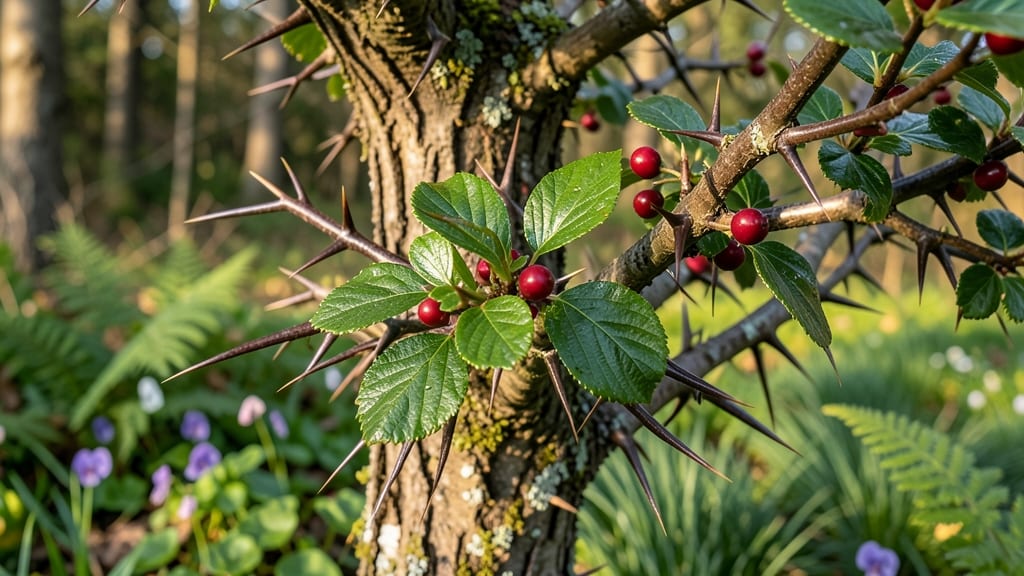
- Hawthorn (Crataegus) – Thorny branches deter nibbling.
- Crabapple (Malus) – Tart fruit is less tempting.
- Pawpaw (Asimina) – Deer usually avoid its unique scent.
Combine these with barriers for extra defense!
What if deer still get through my barriers?
Troubleshoot with these fixes:
- Check for gaps—deer can squeeze through small openings.
- Add motion-activated lights to startle them.
- Use repellent sprays (like Deer Out) on remaining vulnerable spots.
- Plant companion herbs (e.g., garlic, rosemary) near trees—their scent confuses deer.
Persistence is key—adjust as needed!
Are there natural alternatives to fencing?
Yes! Try these low-cost, eco-friendly options:
Combine methods for best results!
Wrapping up and next steps
Protecting your fruit trees from deer doesn’t have to be a guessing game—with the right deer-proof designs, you can enjoy a bountiful harvest without the stress! 🌳🍎 Whether you opt for sturdy fencing, repellent sprays, or clever tree guards, the key is consistency and smart placement.
Start small, test what works in your yard, and gradually expand your defenses for long-term success.
Ready to reclaim your orchard? Take action today:
- Pick one barrier method to install this weekend.
- Check local wildlife regulations before using repellents.
- Monitor and adjust your setup as the season progresses.