
Flowers
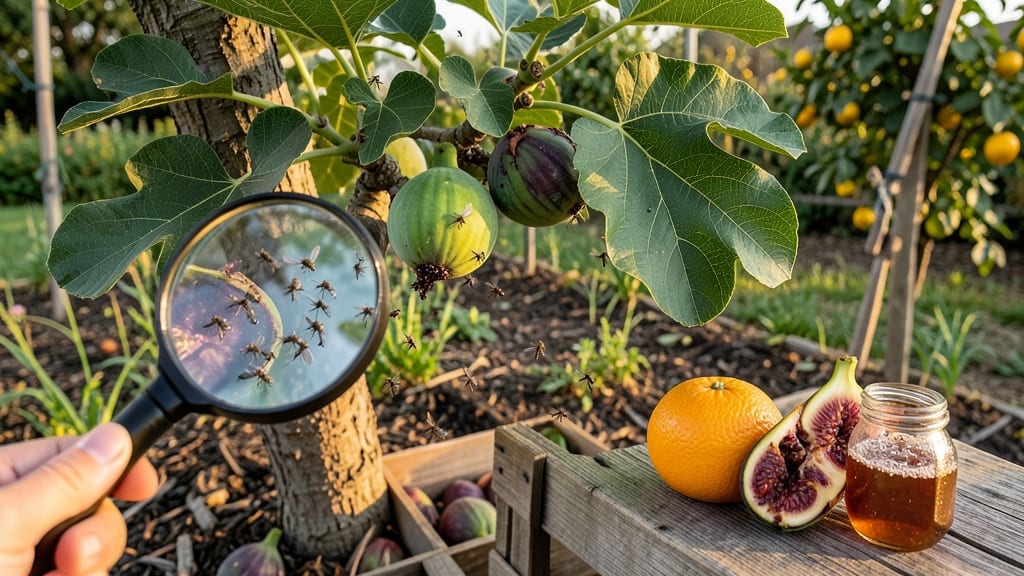
Flowers do attract fruit flies, especially overripe or fermenting blooms like roses, lilacs, and fruit-bearing plants, which emit odors and sugars they seek. Their larvae thrive in decaying plant matter, making decaying flowers a prime breeding ground.
Fruit flies are drawn to flowers because they’re naturally drawn to fermenting sugars and decaying organic matter—both of which overripe or damaged blooms produce. 🌸 The scent of rotting petals mimics the smell of fermenting fruit, triggering their breeding instincts.
Even healthy flowers can become problematic if left unchecked, as fallen petals create hidden breeding zones in soil or mulch.
This attraction isn’t just about aesthetics—it’s a survival strategy. Fruit flies lay eggs in moist, decomposing plant material, and flowers provide the perfect environment.
While some gardeners swear by pruning spent blooms regularly, others turn to natural predators like ladybugs or simple traps like apple cider vinegar mixed with dish soap.
Understanding this connection helps you take proactive steps, whether through garden maintenance or strategic plant choices. The key is balancing beauty with practicality—because a thriving garden shouldn’t mean a fruit fly infestation.
💡 In This Article
- Why Flowers Become Fruit Fly Magnets
- Natural Ways to Keep Fruit Flies Away from Flowers
Why flowers become fruit fly magnets
Fruit flies are drawn to flowers through a combination of chemical signals and ecological cues. These tiny insects have an extraordinary sense of smell, detecting volatile organic compounds (VOCs) like ethanol and acetic acid—compounds that signal fermentation.
Overripe flowers, particularly those from the Rosaceae family (like roses and peaches), produce these compounds as they break down, mimicking the scent of rotting fruit. 🌸 The sugar-rich nectar in flowers also acts as a quick energy source, making them ideal stopping points for foraging flies.
The real attraction, however, lies in the decaying plant matter. When petals fall or flowers wilt, they create a moist, nutrient-rich environment perfect for fruit fly larvae. Studies show that Drosophila melanogaster (the common fruit fly) prefers substrates with 10-20% moisture content—exactly what decomposing petals provide.
Even healthy flowers can become problematic if they're left unpruned, as fallen blooms accumulate in soil or mulch, creating hidden breeding grounds.
Plant genetics play a surprising role too. Some flowers, like lilacs and dahlias, produce more volatile organic compounds as they age, making them particularly appealing to fruit flies. Meanwhile, other varieties—such as marigolds—emit natural repellents like pyrethrin, which deter pests.
The key difference often comes down to how quickly a flower's sugars ferment and how long its petals remain intact after wilting.
Temperature and humidity amplify the problem. Fruit flies thrive in 70-80°F environments with 60-80% humidity, conditions that accelerate flower decay. In these settings, a single overripe bloom can become a breeding hotspot within 24-48 hours, with hundreds of eggs laid in the decomposing tissue.
This rapid reproduction cycle explains why gardeners often see fruit fly swarms around flowers during warm, humid seasons.
What most people don't realize is how subtle cues trigger this behavior. Fruit flies use carbon dioxide detection to locate fermenting sources from up to 10 feet away, making even small amounts of decaying plant matter visible to them.
The combination of visual (darkening petals) and olfactory (sour odors) signals creates an irresistible invitation for these insects to investigate—and eventually infest.
Understanding this process helps explain why certain flowers become magnets while others remain relatively fly-free. The science behind it isn't just about aesthetics; it's about the complex chemical conversations happening between plants and insects in your garden. 🔍