
Trees
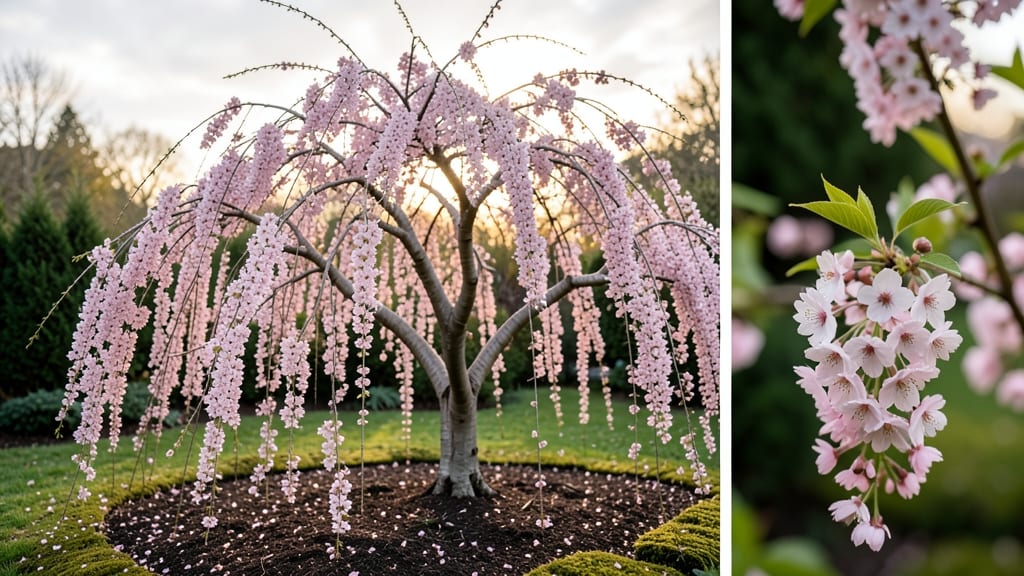
Weeping cherry trees typically do not bear fruit because their primary focus is on producing stunning spring blooms rather than developing fruit, though a few rare varieties might yield tiny, non-edible cherries that drop prematurely. Their elegant, cascading branches and vibrant flowers make them a favorite for ornamental landscaping.
Weeping cherry trees are bred specifically for their breathtaking floral displays, not for fruit production. 🌸 The energy these trees allocate goes toward creating abundant blossoms rather than developing cherries, which is why you’ll rarely see them bearing edible fruit.
This focus on aesthetics makes them ideal for gardens and urban landscapes, where their graceful form and seasonal color bursts take center stage. Some hybrid varieties might produce a few small cherries, but they’re usually bitter and inedible, dropping quickly after forming.
If you’re planting weeping cherries for their beauty, prioritize varieties like Prunus subhirtella ‘Pendula’ or Prunus serrulata ‘Kwanzan’, which are celebrated for their reliable blooms and minimal fruit production.
These trees thrive in zones 5-8 and require well-drained soil to maintain their ornamental appeal without the hassle of fruit management.
💡 In This Article
- Why Weeping Cherry Trees Focus on Flowers Over Fruit
- Best Weeping Cherry Tree Varieties for Fruitless Beauty
Why weeping cherry trees focus on flowers over fruit
Weeping cherry trees prioritize floral displays through a botanical phenomenon called reproductive allocation. These trees devote up to 90% of their energy during spring to producing showy blossoms, leaving minimal resources for fruit development.
The process begins when the tree's hormonal balance shifts toward floral meristem development—the growth points that become flowers—rather than fruit-bearing structures. This is particularly evident in cultivars like Prunus subhirtella, where the genetic focus has been selectively bred to maximize bloom quantity over fruit production.
The weeping growth habit itself plays a role in this prioritization. Their pendulous branches require significant structural support, which further diverts energy from fruit development. Additionally, many weeping cherries have reduced or non-functional stamens, limiting their ability to produce viable pollen and fruit.
Some varieties produce tiny cherries (0.5-1 inch diameter) that drop within 2-4 weeks of forming, a clear sign their primary purpose isn't fruit-bearing but rather creating visual impact through their ephemeral blooms.
Cross-pollination presents another challenge. Unlike fruit-bearing cherries that require compatible pollinators, weeping varieties often have self-sterile flowers or produce pollen that's incompatible with their own ovules. This genetic trait ensures they remain fruitless while maintaining their ornamental value.
The trade-off is deliberate—gardeners and breeders have favored these traits for centuries because the 5-7 day bloom period creates dramatic seasonal displays that far outweigh any potential fruit yield.
Consider the Prunus serrulata 'Kwanzan' variety, which produces double-petal flowers in shades of pink that last 2 weeks longer than single-petal varieties. These flowers are sterile by design, ensuring no fruit development while maximizing visual appeal.
The tree's energy instead goes toward maintaining its 15-25 foot height and 3-4 foot spread, creating that iconic weeping silhouette that's prized in landscape design.
What most people don't realize is how this energy allocation affects the tree's overall health. By focusing on flowers, weeping cherries develop thicker bark and denser wood structure that supports their heavy branch loads.
This structural investment makes them more resilient against wind and snow, which is why they thrive in urban environments where fruit-bearing trees might struggle. The trade-off between fruit and form is a perfect example of how selective breeding can create trees that excel in specific roles—purely for beauty.
For those who want the best of both worlds, some hybrid weeping cherries like Prunus x yedoensis produce small, decorative cherries that remain on the tree for several weeks before dropping. These are still not edible but add an extra layer of ornamental interest.
The key difference is in the fruit set rate—where traditional cherries might develop 50-70% of potential fruit, weeping varieties rarely exceed 5-10% fruit set.
This botanical focus on flowers over fruit explains why weeping cherries are often planted in medieval cloister gardens and Japanese temple grounds—where their ethereal beauty and minimal maintenance requirements made them ideal for contemplative spaces.
The lesson here is that nature often optimizes for specific functions, and in the case of weeping cherries, that function is pure, unadulterated floral beauty. 🌸