
Pruning
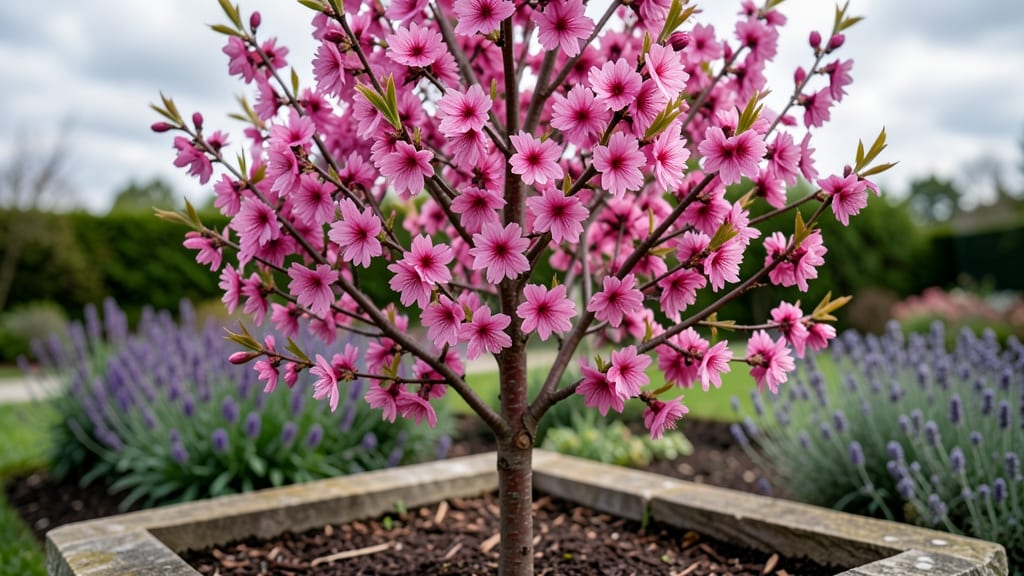
A fruitless flowering plum tree transforms your yard into a cloud of pink and white blossoms without the messy fruit cleanup. 🌸 I planted mine last spring, and by summer, it became the showstopper of our front yard—no pruning headaches, just endless color.
The secret lies in its low-maintenance nature: it thrives in full sun, tolerates poor soil, and blooms reliably year after year. Unlike fruiting plums, this variety stays tidy, making it perfect for small spaces or urban gardens where cleanup is a hassle.
With just basic pruning in late winter, you'll encourage even more dramatic blooms next season. The scent alone—like a mix of almonds and spring—makes it worth the effort, and it attracts pollinators all year long.
Whether you're replacing an old tree or adding a pop of color, this variety delivers four seasons of interest with almost no fuss. Let’s get yours planted right!
📚 In This Guide
- What you need
- Instructions
- Tips and common mistakes
- Wrapping up and next steps
What you need
- ● Fruitless flowering plum tree (bare-root or potted, Prunus cerasifera 'Atropurpurea' or similar cultivar)
- ● Shovel or trowel (for planting)
- ● Well-draining potting mix (if planting in a container) or native soil amended with compost (for in-ground planting)
- ● Organic mulch (2–3 inches, like wood chips or straw)
- ● Pruning shears (bypass pruners, sharp and clean)
- ● Hand pruners or loppers (for thicker branches, 1.5–2.5 inches in diameter)
- ● Disinfectant (70% isopropyl alcohol or pruning sealant) (to prevent disease spread)
- ● Gloves (gardening or pruning gloves for protection)
- ● Fertilizer (balanced 10-10-10 or slow-release granular for spring)
- ● Tree stake or support (if planting a young sapling in windy areas)
- ● Drip irrigation or soaker hose (for consistent watering)
- ● Pruning saw (for very thick branches, >2.5 inches)
- ● Tree paint or wound dressing (for large cuts, though modern trees often heal without it)
Step-by-step guide to planting and caring for a fruitless flowering plum tree
Here’s how to plant and maintain a stunning fruitless flowering plum that blooms reliably with almost no fuss.
🌱 Step 1: Choose the Perfect Planting Location
Fruitless flowering plums thrive in full sun—pick a spot that gets at least 6-8 hours of direct sunlight daily. I always check the sun exposure by observing where shadows fall at midday. If your yard has partial shade, plant near the sunniest wall or fence to maximize blooms.
The tree needs well-draining soil—if your yard has heavy clay, amend with 2-3 inches of compost mixed into the top 12 inches of soil. Fruitless plums hate soggy roots, so avoid low spots where water pools. Dig a hole twice as wide as the root ball but only as deep—planting too deep suffocates the roots.
🪴 Step 2: Plant with Proper Spacing and Support
Dig the hole and gently loosen the root ball before placing the tree. Spread the roots outward naturally—don’t force them. The top of the root ball should sit 1-2 inches above ground level to prevent rot. Backfill with native soil, tamping lightly to remove air pockets.
For young trees, I stake them temporarily to prevent wind rock. Use two stakes driven 12 inches from the trunk, angled away from the prevailing wind. Secure with a soft tree tie (never wire—it cuts into bark as the tree grows). Water deeply right after planting to settle the soil around the roots.
☀️ Step 3: Water Deeply and Establish a Routine
Water once a week for the first month, giving 10-15 gallons per tree to encourage deep root growth. After that, water every 10-14 days unless you get 1 inch of rain. Fruitless plums are drought-tolerant once established, but young trees need consistent moisture. You’ll know it’s enough when water runs out the drainage holes.
Mulch around the base with 2-3 inches of organic mulch (like wood chips), keeping it 6 inches away from the trunk to prevent rot. Replenish mulch annually—it breaks down and helps retain moisture while suppressing weeds. Avoid piling mulch against the trunk, which traps moisture and invites pests.
✂️ Step 4: Prune for Shape and Health (Minimal Effort Style)
Prune only in late winter or early spring before buds swell. Remove dead, diseased, or crossing branches first—these are easy to spot as they’re brown or rubbing against others. Cut just outside the branch collar (the swollen area where the branch meets the trunk) for clean wounds that heal faster.
Shape the tree lightly by thinning out 10-15% of the canopy to improve airflow. Fruitless plums bloom on old wood, so avoid heavy pruning—you’ll reduce next year’s flowers. I use clean, sharp bypass pruners and sterilize them with rubbing alcohol between cuts to prevent disease spread.
🌿 Step 5: Feed and Protect for Long-Term Beauty
Apply a balanced 10-10-10 fertilizer in early spring when new growth starts. Use ½ pound per inch of trunk diameter—for a 2-inch trunk, that’s 1 pound total. Water the tree first to help distribute nutrients. Skip fertilizer in fall to encourage dormancy and winter hardiness.
Watch for aphids or scale insects on new growth—wipe them off with soapy water if you spot them early. Fruitless plums rarely have serious pests, but a light horticultural oil spray in late summer can prevent issues. Enjoy your tree’s spring blooms (and sometimes fall color!) with almost no upkeep.
Tips & tricks for perfect fruitless flowering plum trees
Took me a while to figure these out, so here's how I make sure my plum trees thrive with minimal fuss.
Sunlight Strategy: The 6-8 hours of daily sunlight is non-negotiable—these trees are sun worshippers. I test potential spots by placing a white board in the ground at midday and checking shadow patterns for a week. If you notice shadows lingering more than 4 hours, find a sunnier location. Even partial shade can reduce bloom intensity by up to 30%. For urban gardens, south-facing walls or fences work wonders for capturing extra sunlight.
Root Ball Wisdom: When planting, I always check the root ball's moisture level before placing it in the hole. If it feels dry, soak it thoroughly for 10-15 minutes before planting—this prevents transplant shock. The 1-2 inches above ground level positioning is crucial; I use a level to ensure perfect placement. For heavy clay soils, I mix in perlite with the compost to improve drainage even more than the 2-3 inches of compost alone.
Watering Hack: The 10-15 gallons per tree for the first month might seem like a lot, but it's essential for establishing deep roots. I use a rain gauge to measure rainfall—only skip watering if you get at least 1 inch of rain. For larger trees, I extend the watering schedule to every 7-10 days. The drainage holes test is foolproof: if water runs out within 30 minutes, you've watered enough.
Pruning Precision: That 10-15% canopy thinning is about quality over quantity. I look for branches that cross or rub against each other—these are prime candidates for removal. For the branch collar cut, I make a slight upward angle to prevent water from pooling. Sterilizing pruners between cuts is a game-changer; I keep rubbing alcohol in a small spray bottle right by my work area. This prevents spreading any potential diseases between branches.
Pro Tips for Fruitless Flowering Plum Tree
- Took me a while to figure these out, so here's how I make sure my plum trees thrive with minimal fuss.
- Sunlight Strategy: The 6-8 hours of daily sunlight is non-negotiable—these trees are sun worshippers. I test potentia...
- Root Ball Wisdom: When planting, I always check the root ball's moisture level before placing it in the hole. If it f...
Frequently asked questions
Got questions about keeping your fruitless flowering plum tree stunning with minimal effort? Here are some of the most common ones—and their answers!
Why does my fruitless flowering plum tree need less pruning than fruiting varieties?
A fruitless flowering plum tree focuses all its energy on producing vibrant blooms instead of fruit, so it doesn’t require heavy pruning to remove fruit-bearing wood. Light shaping in late winter or early spring keeps it healthy and encourages dense flowering. Pro tip: Prune after blooms fade to avoid cutting off next year’s flower buds!
When is the best time to prune a fruitless flowering plum tree for maximum blooms?
The ideal time is late winter or early spring, just before new growth begins. Avoid pruning after blooms appear, as this can reduce next year’s flowers. For minor shaping, you can also prune in summer, but limit it to removing dead or crossing branches.
Can I grow a fruitless flowering plum tree in a container?
Yes! Choose a large container (at least 15 gallons) with drainage holes and use well-draining soil. Place it in full sun and water regularly, but avoid overwatering. Container-grown trees may need annual repotting to prevent root binding. Just be prepared for slower growth compared to in-ground planting.
What should I do if my fruitless flowering plum tree isn’t blooming?
Check these common issues:
- Insufficient sunlight: Ensure it gets 6+ hours of direct sun daily.
- Over-pruning: Avoid cutting back more than 20-30% of the canopy at once.
- Nutrient deficiency: Apply a balanced fertilizer in early spring.
- Age: Young trees may take 2-3 years to bloom fully.
Are there alternatives to fruitless flowering plum trees for low-maintenance blooms?
Consider these drought-tolerant, low-pruning options:
- Cherry Blossom (Prunus serrulata): Stunning spring blooms, but may need occasional pruning.
- Japanese Quince (Chaenomeles japonica): Hardy, thorny, and blooms in winter/spring.
- Crapemyrtle (Lagerstroemia): Long bloom season and adaptable to various climates.
- Dwarf Flowering Almond (Prunus glandulosa): Compact and perfect for small spaces.
Wrapping up and next steps
Growing a fruitless flowering plum tree is a rewarding way to add vibrant color and seasonal charm to your landscape with minimal fuss! 🌸 With its stunning blooms and low-maintenance pruning needs, it’s the perfect choice for busy gardeners or anyone craving effortless beauty.
Whether you’re a pruning pro or just starting out, this tree delivers year-round appeal while keeping upkeep simple.
Ready to transform your yard? Start by choosing the right location—sunny and spacious—and follow the pruning tips shared here. Before you know it, your garden will be bursting with fragrant blossoms, all while saving you time and effort! 🌿