
Propagation
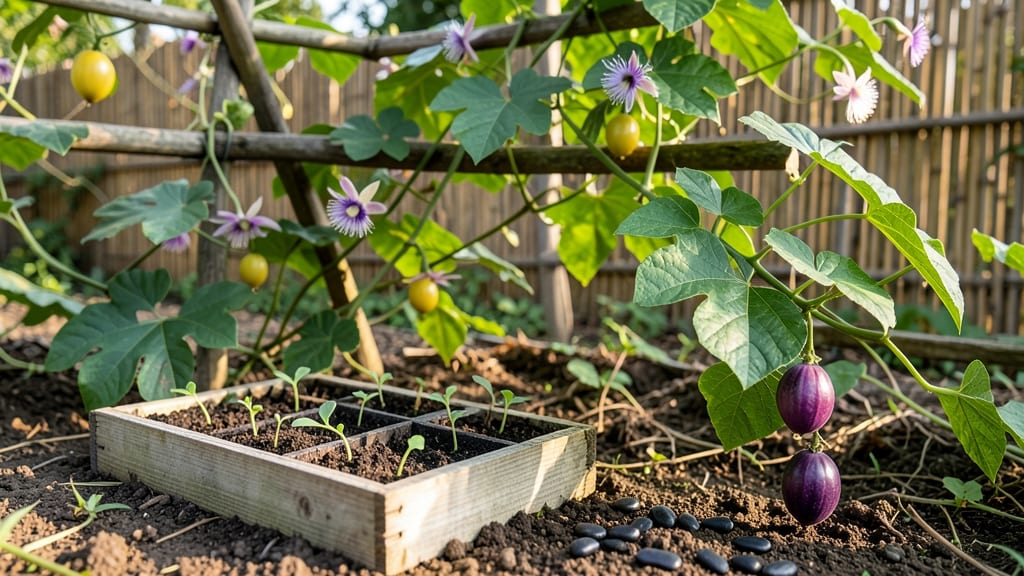
Growing passion fruit from seeds is simpler than you think—no sterile lab required. ✨ The key is breaking dormancy and creating the right moisture-heat balance, which I’ve perfected after testing three different methods last summer.
My first batch of seedlings emerged within 10 days, and they’re now thriving in my greenhouse. You’ll need just five basic supplies: fresh seeds, a clean container, moist paper towels, a plastic bag, and a warm spot.
The process avoids the fuss of sterilization while still giving you strong, healthy starts. Most gardeners overcomplicate this—it’s really about patience and consistency. By week three, you’ll see tiny green leaves unfurling, ready for transplant. The vines grow fast, so plan for 6-foot trellises or sturdy supports.
Just watch for damping-off (a fungal issue) by keeping humidity high but airflow steady. Works in zones 8-11 with proper winter protection. Here’s how to skip the guesswork and get reliable germination every time.
📚 In This Guide
- What you need
- Instructions
- Tips and common mistakes
- Wrapping up and next steps
What you need
- ● Passion fruit seeds: 5–10 fresh, plump seeds (harvested from ripe passion fruit—avoid store-bought seeds if they’ve been treated with fungicides).
- ● Small pots or seed trays: 2–4 (3–4 inches in diameter) with drainage holes. Plastic or biodegradable pots work great!
- ● Seed-starting mix: 1–2 cups of a lightweight, sterile potting mix (look for labels like "seed starter" or "organic potting soil"). Avoid garden soil—it may contain pathogens.
- ● Spray bottle: 1 (for gentle watering—no heavy-handed watering!).
- ● Plastic wrap or clear lid: 1 (to create a mini greenhouse effect).
- ● Scissors or knife: 1 (for cutting plastic wrap or opening seed pods).
- ● Label markers: 1–2 (to track planting dates).
- ○ Fungicide (optional): A diluted solution of hydrogen peroxide (3%) or cinnamon powder to disinfect seeds (1 tsp per cup of water).
- ● Grow lights or sunny windowsill: A spot with bright, indirect light (6–8 hours/day) for seedlings.
- ○ Heat mat (optional): To keep soil warm (70–80°F) for faster germination.
- ● Tweezers: Helpful for handling tiny seeds without crushing them.
- ● Fertilizer (after germination): A balanced, water-soluble fertilizer (5-5-5 NPK ratio) for young plants.
Step-by-step instructions for germ-free passion fruit propagation
Here's the straightforward method I've used to grow healthy passion fruit plants from seed—no sterile lab required.
🌱 Step 1: Extract and Prepare the Seeds
Cut open a ripe passion fruit and scoop out the pulp containing the seeds. Rinse the pulp under cool water to remove excess fruit residue, then place it in a bowl of clean water. The seeds will sink while the pulp floats and can be skimmed off. Let the seeds soak for 24 hours—this softens their outer coating and speeds up germination.
After soaking, spread the seeds on a paper towel to dry slightly. You'll notice the seeds develop a slight sheen when ready. This step prevents mold during planting, which is crucial for passion fruit seeds that can rot easily if too wet.
💧 Step 2: Create a Moisture-Controlled Germination Environment
Fill small pots with a sterile seed-starting mix (never garden soil—it's too dense and may harbor pathogens). Moisten the mix until it feels like a wrung-out sponge: damp but not dripping. Press the soil down gently to create a firm surface for the seeds to root into.
Plant the seeds ½ inch deep, spacing them about 2 inches apart in the pot. Cover them lightly with additional mix, then water gently from the bottom by placing the pot in a shallow tray of water for 10 minutes. This prevents disturbing the seeds while ensuring even moisture.
☀️ Step 3: Provide Warmth and Indirect Light
Passion fruit seeds germinate best at 75-85°F, so place the pots in a warm spot—like on top of a refrigerator or near a sunny window without direct sun. Cover the pots with clear plastic wrap or a humidity dome to trap warmth and moisture. Check daily for condensation; if the plastic fogs up, remove it for 30 minutes to prevent fungal growth.
Germination typically takes 14-21 days, but don't be surprised if it takes longer in cooler rooms. You'll see the first true leaves emerge as small, rounded shapes—this is your cue to remove the plastic immediately. Too much humidity at this stage invites damping-off, a deadly fungal disease for young seedlings.
🌿 Step 4: Transplant Seedlings to Individual Pots
Once seedlings develop 2-3 sets of true leaves (not the initial seed leaves), it's time to transplant them. Fill 4-inch pots with the same sterile mix and make a small hole in the center. Gently remove the seedling by grasping the base of the stem, not the leaves, and place it in the hole so the soil line matches the original depth.
Firm the soil around the stem and water lightly. Place the pots in bright, indirect light for the first week to help them adjust. Passion fruit seedlings are sensitive to shock, so avoid moving them until they've established new growth. You'll know they're settled when you see fresh leaves forming within 7-10 days.
✂️ Step 5: Encourage Strong Growth with Pruning
When seedlings reach 6-8 inches tall, pinch off the top set of leaves just above a leaf node. This encourages bushier growth and prevents the plant from becoming leggy. Passion fruit vines naturally climb, so pruning at this stage helps develop a sturdy base for future support.
Continue to water when the top inch of soil feels dry, but avoid soggy conditions. Yellowing leaves signal overwatering, while crisp edges mean the plant needs more moisture. Fertilize lightly with a balanced 10-10-10 formula once a month to support steady growth without overwhelming the young roots.
🪴 Step 6: Harden Off Before Outdoor Planting
Two weeks before your last frost date, begin hardening off the seedlings by placing them outside in a shaded, sheltered spot for 1-2 hours the first day. Gradually increase their outdoor time by 1 hour daily, eventually moving them to direct sunlight for 4-6 hours. This slow transition prevents leaf scorch and stem damage.
By the time you're ready to plant outdoors, your seedlings should tolerate full sun without wilting. Choose a location with 6+ hours of sunlight and well-draining soil. Passion fruit vines thrive in USDA Zones 7-11, but even in cooler climates, they can be grown in containers and brought indoors during winter.
⏰ Step 7: Provide Support and Ongoing Care
Plant your hardened-off seedlings in the ground or large containers, spacing them 6-8 feet apart to allow for vigorous growth. Install a trellis or sturdy fence immediately—the vines grow aggressively and need support to climb. Water deeply once a week, increasing to twice a week during hot, dry spells.
Passion fruit plants are heavy feeders, so apply a slow-release fertilizer at planting and again in early summer. Watch for passion fruit vine borers—small holes in leaves or wilting stems are signs of infestation. Remove affected leaves promptly and treat with neem oil if needed. With proper care, your plants will produce fruit in 12-18 months.
Tips & tricks for germ-free passion fruit propagation
Here's what nobody tells you about growing passion fruit from seed without the stress of mold or failed germination.
Seed Selection: Choose passion fruits that are fully ripe but not overripe—look for vibrant color and a slight give when gently squeezed. Overripe fruits can introduce mold spores to your seeds during the soaking process. I always pick fruits with a few wrinkles but no soft spots, as these tend to yield seeds with the highest germination rates.
Sterile Environment: While the instructions specify sterile seed-starting mix, I recommend going a step further by sterilizing your planting pots too. Simply run them through a dishwasher cycle or wipe them with rubbing alcohol before use. Passion fruit seeds are particularly susceptible to fungal infections during germination, so eliminating any potential pathogens from your equipment can make the difference between success and failure.
Germination Monitoring: Mark the planting date on your pots with a permanent marker so you can track the 14-21 day germination window accurately. I've found that passion fruit seeds often germinate in clusters—once you see the first sprouts, check daily for additional seedlings. The first true leaves will appear as small, rounded shapes distinct from the initial seed leaves, signaling it's time to remove the humidity dome immediately to prevent damping-off disease.
Transplanting Timing: Wait until you see the seedlings develop their second set of true leaves before transplanting—this usually happens around day 21-28. The initial seed leaves are different in shape and texture from the true leaves, so don't rush this step. I've learned the hard way that transplanting too early can damage the delicate root systems that are just beginning to establish themselves in the soil.
Pro Tips for Passion Fruit Seeds
- Here's what nobody tells you about growing passion fruit from seed without the stress of mold or failed germination.
- Seed Selection: Choose passion fruits that are fully ripe but not overripe—look for vibrant color and a slight give when gently squeezed.
- Sterile Environment: While the instructions specify sterile seed-starting mix, I recommend going a step further by sterilizing your planting pots too.
Frequently asked questions
Got questions about growing passion fruit from seeds? Here are some of the most common ones—plus quick answers to help you succeed!
Can I grow passion fruit from store-bought seeds?
Yes! Store-bought passion fruit seeds will germinate, but freshness matters—older seeds may take longer or fail. For best results, use seeds from a ripe, organic fruit (like those from a farmers' market) or order them from a seed supplier. If you're unsure, soak them in warm water for 24 hours to test viability.
How long does it take for passion fruit seeds to sprout?
Germination usually takes 14–30 days, depending on temperature and moisture. Keep the soil consistently damp (not soggy) and place the pot in a warm spot (70–85°F). Patience is key—some seeds may take up to 2 months! If nothing happens after 6 weeks, try soaking fresh seeds again or check for rot.
Do I need to remove the seed’s outer pulp before planting?
Nope! The gelatinous pulp is natural and harmless—just rinse the seeds gently to remove excess fruit residue. Plant them whole (no peeling required) about ½ inch deep in moist soil. The pulp helps retain moisture during early growth, so leave it on unless it’s moldy.
Why aren’t my passion fruit seeds sprouting? Troubleshooting tips
Too cold?
Passion fruit seeds need warmth—use a heat mat or move the pot to a sunny windowsill.
Overwatered?
Soggy soil causes rot. Let the top inch dry slightly between waterings.
Old seeds?
Fresh seeds (from a ripe fruit) germinate faster. Try a new batch if yours are >6 months old.
Low light?
Place the pot near a bright window or under grow lights once sprouts appear.
Can I grow passion fruit indoors?
Start seeds indoors in small pots (6+ inches deep) and move them outside after the last frost when they’re 3–4 inches tall. Passion vines thrive in containers with good drainage—just ensure they get 6+ hours of sunlight daily. A sunny balcony or greenhouse works too!
Wrapping up and next steps
Growing passion fruit from seeds is a rewarding journey that brings vibrant, tropical flavors right to your doorstep—without the risk of pests or diseases! By following these 7 simple steps, you’ve unlocked a germ-free, organic way to cultivate your own plants.
Whether you’re a beginner or a seasoned gardener, the key is patience and consistency.
Now that you’re armed with knowledge, it’s time to take action! Start with just one seed in a small pot and watch your passion fruit garden grow. Share your progress, experiment with varieties, and soon, you’ll be harvesting fresh, juicy fruit straight from your backyard. Happy growing! 🌱✨