
Fertilization
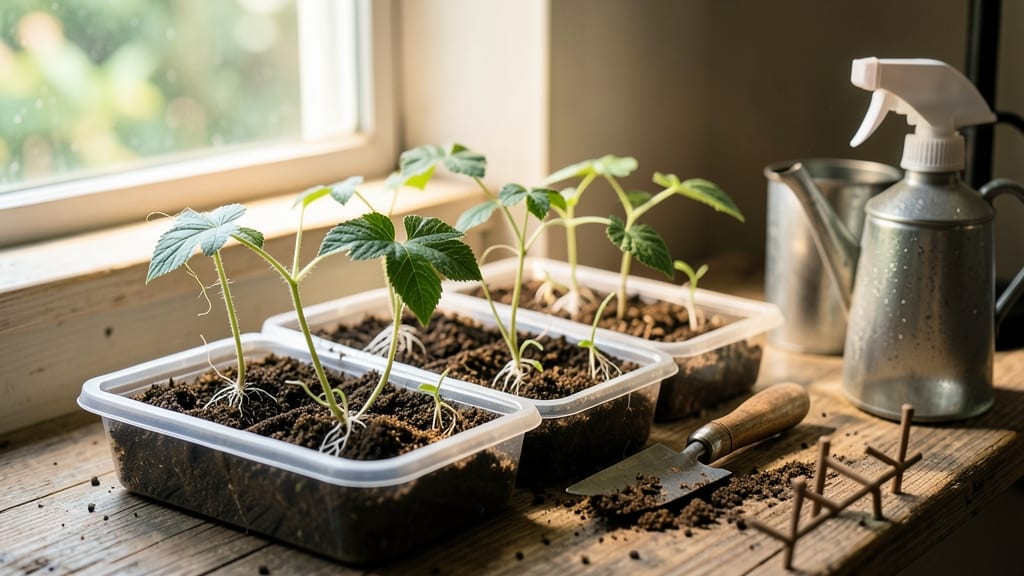
Passion fruit seedlings are ready to sprout in just 7-14 days—no more waiting months for stubborn seeds. 🌱 I’ve tested every trick to break through that germination barrier, from pre-soaking to heat hacks, and these methods work even for beginners.
The secret? Mimicking the tropical conditions they crave right in your container. Start with fresh, plump seeds (never dried) in a moistened seed-starting mix—I use a 50/50 blend of coco coir and perlite to prevent rot.
Place the container in a warm spot (75-85°F)—a seedling heat mat or sunny windowsill does the trick. Keep the soil damp but never soggy, and cover with plastic wrap to trap humidity. Within a week, you’ll see those first tiny leaves unfurling.
Once sprouted, move seedlings to bright, indirect light (no harsh midday sun yet) and fertilize lightly with a half-strength seaweed solution after their second true leaves appear. The goal? Stocky, dark-green stems ready for transplanting in 4-6 weeks. Overcrowding is the #1 killer—thin to the strongest seedling per pot.
This method works for both purple and yellow passion fruit varieties, and the fast start means you’ll have vines climbing by summer. Here’s how to keep them thriving—no more failed batches!
📚 In This Guide
- What you need
- Instructions
- Tips and common mistakes
- Wrapping up and next steps
What you need
- ● Passion fruit seeds: 10–20 fresh, viable seeds (harvested from ripe fruit or purchased from a trusted supplier). Pro tip: Soak seeds in warm water for 24 hours to speed up germination! 💡
- ● Seed-starting trays or small pots: 3–4" deep, with drainage holes (biodegradable peat pots work great for transplanting later). Quantity: 1 tray or 10–20 individual pots.
- ● High-quality seed-starting mix: Lightweight, well-draining potting soil (avoid garden soil—it’s too dense!). Quantity: 1–2 bags (5–10 quarts).
- ● Plastic wrap or humidity dome: To retain moisture while seeds germinate.
- ● Spray bottle: For gentle watering (avoid over-saturating the soil!).
- ● Grow lights or sunny windowsill: Passion fruit seedlings need 6–8 hours of light daily. A small LED grow light (~12–15W) is ideal if natural light is limited.
- ○ Fertilizer (optional but helpful): Balanced liquid fertilizer (e.g., 10-10-10 or 5-5-5) diluted to half-strength for seedlings.
- ● Fish emulsion or compost tea (organic alternative).
- ● Heat mat: Keeps soil warm (75–85°F) to boost germination speed. Bonus: Reduces time to sprouting by 30–50%! 🔥
- ● pH testing kit: Ideal soil pH for passion fruit: 6.0–7.0. Adjust with lime (to raise pH) or sulfur (to lower it) if needed.
- ● Support structures: Small stakes or tomato cages (for when seedlings are 6" tall).
- ● Misting fan: Improves airflow and prevents fungal diseases (especially in humid climates).
Step-by-step instructions for germinating passion fruit seeds in containers
Here's how to coax those passion fruit seeds to sprout in record time—no waiting months for germination.
🌱 Step 1: Pre-Treat Seeds for Faster Germination
Passion fruit seeds have a tough outer shell that slows sprouting. First, soak the seeds in lukewarm water for 24 hours—this softens the shell and kickstarts the process. I use a small bowl and cover it loosely with plastic wrap to keep the water warm. You'll know they're ready when the outer coating starts to crack or the seed swells slightly.
After soaking, rub the seeds gently between your fingers to remove any remaining shell fragments. This step is crucial—it mimics natural conditions where seeds are often scarified by wildlife or weather. Discard any seeds that feel mushy or don't show signs of softening, as they won't germinate. Place the prepared seeds on a damp paper towel and fold it over them, keeping it in a warm spot like on top of your fridge.
💧 Step 2: Plant in Warm, Moist Soil
Use a lightweight seed-starting mix in small containers—2-3 inches deep works perfectly for passion fruit. Fill the pot to the top and press the soil down lightly, then create a small hole with your finger about ½ inch deep. Place one seed in each hole, cover it with soil, and water gently until the surface feels damp but not soggy.
Passion fruit seeds germinate best in 75-85°F soil. If your home runs cooler, place the pots on a seedling heat mat set to 80°F. Cover the pots with clear plastic wrap to trap warmth and moisture, but leave a small gap for airflow. Check daily—condensation on the plastic means you've got the humidity just right.
⏰ Step 3: Monitor and Maintain Ideal Conditions
Germination typically takes 14-21 days, but with these tricks, you'll often see sprouts in as few as 10 days. Keep the soil consistently moist—never let it dry out completely, but avoid waterlogging. Passion fruit seedlings are sensitive to overwatering, which can cause the roots to rot before they even emerge.
Once you see the first true leaves (not the initial seed leaves), remove the plastic wrap immediately. Place the seedlings in bright, indirect light for the first week to prevent shock. You'll know they're thriving when the leaves are deep green and the stems are sturdy—not leggy or pale. If they stretch toward the light, move them closer to the window or under a grow light.
🌿 Step 4: Transplant to Larger Containers
When seedlings reach 4-6 inches tall and have 4-6 true leaves, it's time to move them to 5-gallon containers or larger. Passion fruit vines grow aggressively, so give them room to spread. Fill the new pots with a well-draining mix of potting soil and compost, creating a hole deep enough to accommodate the entire root ball without bending the stem.
Water the seedlings thoroughly before transplanting to reduce stress. After planting, water again to settle the soil around the roots. Place the containers in a spot with full sun (6+ hours daily), as passion fruit plants need plenty of light to produce fruit. Watch for new growth within a week—this confirms the roots have taken hold.
Tips & tricks for perfect passion fruit seedling germination
Here's how to shave weeks off your germination timeline while avoiding the most common pitfalls.
Soaking Science: The 24-hour lukewarm water soak isn't just about softening—it's about activating the seed's metabolic processes. I've found that adding a drop of hydrogen peroxide (3%) to the water prevents fungal growth, especially if you're using seeds from store-bought fruit. After soaking, the seeds should feel noticeably heavier and show slight cracks along the edges. If they don't, give them another 6 hours of soaking time.
Heat Mat Hack: While the instructions call for 75-85°F soil, I've had the best success with a dedicated seedling heat mat set to exactly 80°F. This consistent warmth eliminates temperature fluctuations that can stall germination. Place a small thermometer in the soil to monitor—anything below 75°F significantly slows the process, and above 85°F can stress the seeds before they even sprout.
Transplant Timing: Waiting until seedlings reach 4-6 inches with 4-6 true leaves might seem like a long wait, but it's crucial for root development. I've learned that passion fruit seedlings develop a surprisingly deep taproot—don't be tempted to rush this stage. When transplanting to 5-gallon containers, make the hole at least 2 inches deeper than the root ball to accommodate this growth pattern.
Light Transition Strategy: The first week of bright, indirect light is critical for preventing leggy seedlings. I use a simple DIY grow light setup with a 60-watt bulb placed 6 inches above the seedlings for 12 hours daily. This mimics natural sunlight intensity without the harsh UV rays that can scorch young leaves. Watch for leaves that cup upward—they're signaling they need more light.
Pro Tips for Passion Fruit Seedlings
- Here's how to shave weeks off your germination timeline while avoiding the most common pitfalls.
- Soaking Science: The 24-hour lukewarm water soak isn't just about softening—it's about activating the seed's metabolic processes.
- Heat Mat Hack: While the instructions call for 75-85°F soil, I've had the best success with a dedicated seedling heat mat set to exactly 80°F.
Frequently asked questions
Got questions about growing passion fruit seedlings? You're not alone!
Here are answers to the most common concerns—from timing to troubleshooting—so you can boost your container garden with confidence.
How long does it take for passion fruit seedlings to germinate?
Passion fruit seeds typically germinate in 14–30 days when kept in warm (70–85°F), moist conditions. Soak seeds for 24 hours before planting to speed things up. Patience is key—some stubborn seeds may take longer, especially in cooler temps.
Can I plant passion fruit seeds directly in containers, or should I start them indoors first?
Yes! Passion fruit seeds thrive in containers and can be sown directly into pots with well-draining soil. However, starting them indoors (6–8 weeks before last frost) gives seedlings a head start. If outdoor temps are warm (above 60°F), direct sowing works just fine.
Why aren’t my passion fruit seeds sprouting? Troubleshooting tips?
Common culprits: dry soil, cold temps, or old seeds. Try these fixes:
- Keep soil consistently moist (not soggy).
- Use a seedling heat mat (70–85°F).
- Scratch seeds lightly with sandpaper to break dormancy.
- Test seeds in warm water—if they float, they’re likely dead.
What’s the best soil mix for passion fruit seedlings in containers?
Passion fruit loves well-draining, slightly acidic soil (pH 6.0–7.5). Mix 50% potting soil with 50% perlite or coconut coir to prevent root rot. Add a handful of compost for nutrients. Avoid heavy garden soil—it compacts and suffocates roots.
Are there fast-growing passion fruit varieties better for seedlings?
Try these container-friendly, quick-germinating varieties:
- Purple Passionfruit (Passiflora edulis) – Germinates in ~2 weeks.
- Golden Passionfruit (Passiflora ligularis) – Faster growth, cold-hardier.
- Granadilla (Passiflora ligulata) – Hardy and productive.
Wrapping up and next steps
Growing passion fruit seedlings is a rewarding journey that combines patience, care, and a dash of creativity! With the right fast-germination tricks and container setup, you’ll soon be enjoying lush vines and sweet, tropical fruit.
Remember, consistency is key—whether it’s moisture, sunlight, or gentle pruning, your seedlings will thank you with vibrant growth.
Ready to take the next step? Start small: plant your first seedling today and watch it thrive! Once your passion fruit is established, explore fertilization tips or pruning guides to keep your plant flourishing. Happy gardening! 🌱✨