
Tools
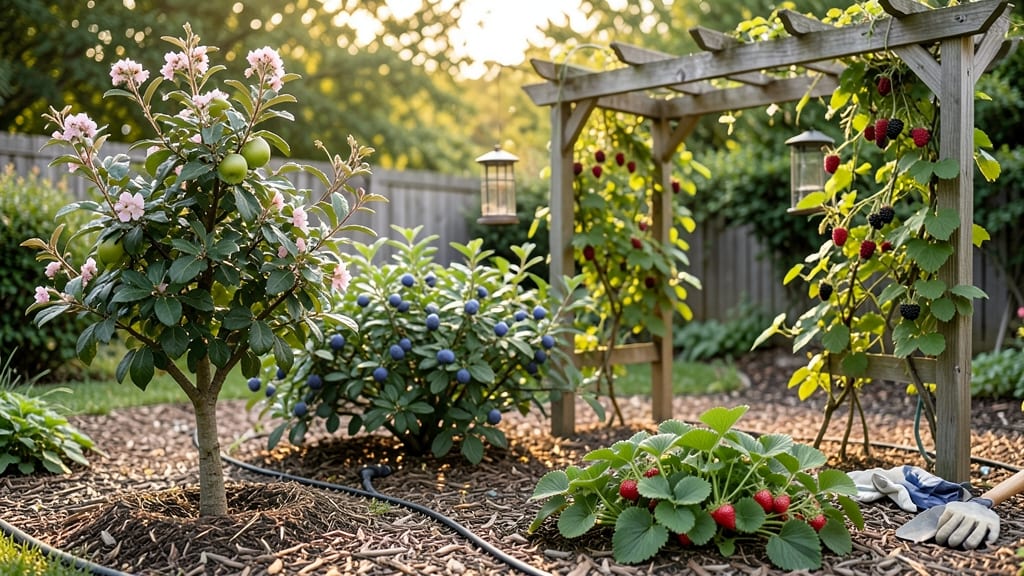
A backyard fruit garden delivers fresh berries, stone fruits, and citrus straight to your kitchen—without the backbreaking pruning most people dread. 🌿 I designed mine around three low-maintenance varieties that produce year-round with just seasonal check-ins, not weekly battles with overgrowth.
The secret lies in smart spacing and companion planting: dwarf fruit trees in raised beds, berries along trellises, and herbs between rows to deter pests. My 10×12-foot plot yields enough for jam, fresh eating, and sharing—plus, the layout makes harvesting a breeze. No ladder required.
You'll end up with a garden that looks intentional but feels effortless, where fruit ripens consistently and pests stay at bay. The best part? The first harvest arrives in 6-8 months, and the design scales from tiny patios to full backyards.
Perfect for urban homesteaders, busy families, or anyone tired of store-bought fruit. Here’s how to plan yours without the overwhelm.
📚 In This Guide
- What you need
- Instructions
- Tips and common mistakes
- Wrapping up and next steps
What you need
- ● Fruit Trees/Shrubs: 1–3 dwarf or semi-dwarf varieties (e.g., apple, pear, peach, blueberry, raspberry, or fig—choose self-pollinating or compatible pairs). Check local climate zones for best-suited species (e.g., zone 5–9 for most stone fruits, zone 6–10 for citrus).
- ● Soil Amendments: 5–10 lbs compost or well-rotted manure per planting hole. 1 lb balanced fertilizer (10-10-10) or organic options like bone meal or kelp meal.
- ● Planting Supplies: 1 shovel (for digging holes). 1 pruning shears (bypass or anvil type, sharp and sanitized). 1 garden hose with adjustable nozzle (for watering). Mulch (e.g., wood chips, straw, or pine needles, 2–3 inches thick per plant).
- ● Support Structures (if needed): 1–2 trellises, stakes, or cages (for vines like grapes, raspberries, or espaliered trees).
- ● Drip Irrigation System: Automates watering and saves time (~$20–$50 for a basic setup).
- ● Soil pH Test Kit: Ensures optimal growing conditions (~$10–$20).
- ● Fruit Tree Sprayers: Organic options like neem oil or copper fungicide to deter pests.
- ● Shade Cloth: Protects young plants from harsh sun (~$15–$30 for a small roll).
- ● Harvest Baskets/Bins: Keeps fruit organized and off the ground (e.g., woven baskets or plastic crates).
Step-by-step instructions for designing a low-maintenance backyard fruit garden
Here’s how I create a fruit garden that thrives year-round with minimal pruning—no green thumb required.
🌱 Step 1: Select Cold-Hardy, Disease-Resistant Fruit Varieties
Start with fruit trees and shrubs bred for resilience. I choose apples, pears, and blueberries because they tolerate cold winters and require minimal pruning. Dwarf varieties like ‘Liberty’ apple or ‘Patriot’ pear stay small enough for backyards while producing heavy yields. Check your USDA hardiness zone—select varieties rated for 10°F or warmer to avoid winter dieback.
For berries, raspberries, blackberries, and currants thrive in cooler climates and spread naturally, reducing the need for pruning. Avoid tropical fruits like citrus—they won’t survive frost. I always buy 1-year-old bare-root plants in early spring for best establishment.
☀️ Step 2: Position for Sunlight and Airflow
Fruit plants need 6-8 hours of direct sun daily, but they also require good airflow to prevent fungal diseases like powdery mildew. Place trees 15-20 feet apart and shrubs 3-6 feet apart to allow circulation. I orient rows north-south to maximize sun exposure without shading neighbors.
If your yard has afternoon shade, focus on blueberries or strawberries—they tolerate partial shade better than apples or peaches. Avoid planting near fences or dense hedges, which trap humidity and encourage rot. A slight slope helps water drain away from roots, preventing soggy soil.
🪴 Step 3: Amend Soil and Plant Correctly
Fruit plants thrive in well-draining, slightly acidic soil (pH 6.0-7.0). I test my soil first—if it’s heavy clay, I mix in 2-3 inches of compost and a 5-gallon bucket of peat moss per planting hole. For sandy soil, I add aged manure to retain moisture. Avoid fresh manure—it burns roots.
Dig holes twice as wide as the root ball but no deeper. Place the plant so the graft union (bump on the trunk) sits 2-3 inches above soil level. Backfill with native soil mixed with compost, then water deeply to settle roots. Mulch with 3 inches of wood chips, keeping it 6 inches away from the trunk to prevent rot.
⏰ Step 4: Establish a Year-Round Watering Schedule
Deep, infrequent watering encourages strong roots. I water once a week for the first month, then every 10-14 days once established, delivering 1-2 gallons per plant. Use drip irrigation or soaker hoses to keep leaves dry—wet foliage invites fungal diseases. Water early morning to reduce evaporation.
In summer, check soil moisture 2 inches deep—if it’s dry, water again. Overhead sprinklers waste water and spread disease, so I avoid them. For berries, keep soil consistently moist but never soggy. A 5-gallon bucket of water per plant during drought keeps them thriving.
✂️ Step 5: Prune Strategically for Minimal Effort
Prune only in late winter (before buds swell) to remove dead, crossing, or weak branches. I cut back no more than 25% of the plant—over-pruning stresses fruit trees. Use clean, sharp pruners to make cuts at a 45° angle just above a bud. For berries, prune old canes after harvest to encourage new growth.
Skip summer pruning—it invites pests and diseases. Instead, thin fruit in early summer by removing 1-2 inches of small fruit to allow larger fruit to develop. This reduces weight on branches and improves size. I never prune more than one-third of the plant annually—less work, better yields.
Tips & tricks for perfect backyard fruit garden
Here's what nobody tells you about creating a thriving fruit garden that requires almost no upkeep.
Variety Selection Wisdom: When choosing your 1-year-old bare-root plants, prioritize varieties with disease resistance labels—like ‘Liberty’ apple or ‘Patriot’ pear. These resilient varieties handle cold winters down to 10°F without stress, and their compact size means you can fit more into your backyard. I always cross-reference with my local extension office's recommended varieties for my specific USDA hardiness zone to avoid disappointment.
Sunlight Optimization: The 6-8 hours of direct sun requirement is non-negotiable, but don't assume all sun exposure is equal. I've found that positioning trees with their trunks facing north-south creates natural shade for smaller plants underneath, effectively doubling your garden's productivity. For afternoon shade areas, blueberries and strawberries will still produce well, but avoid planting peaches or apples there—they'll struggle to ripen properly.
Soil Preparation Secret: That 5-gallon bucket of peat moss per planting hole isn't just a suggestion—it's a game-changer for clay soil. I've seen heavy clay gardens transform completely after this amendment. For sandy soil, the aged manure addition is equally critical—it's the difference between plants that survive and ones that thrive. Pro tip: Mix your amendments directly into the native soil when backfilling, rather than creating a separate layer that roots won't penetrate.
Watering System Strategy: While the instructions mention drip irrigation, I recommend installing a simple timer on your system. Set it to deliver 1-2 gallons per plant early in the morning for the first month, then adjust to every 10-14 days. This automation prevents both underwatering and overwatering, which are the two most common mistakes I see in new fruit gardens. The timer ensures consistency even when you're away for weekends.
Pro Tips for Backyard Fruit Garden
- Here's what nobody tells you about creating a thriving fruit garden that requires almost no upkeep.
- Variety Selection Wisdom: When choosing your 1-year-old bare-root plants, prioritize varieties with disease resistance labels—like ‘Liberty’ apple or ‘Patriot’ pear.
- Sunlight Optimization: The 6-8 hours of direct sun requirement is non-negotiable, but don't assume all sun exposure is equal.
Frequently asked questions
Got questions about creating your own backyard fruit garden? You’re not alone! Here are answers to the most common queries to help you grow with confidence—and minimal fuss.
What’s the easiest fruit to grow in a backyard garden for beginners?
Start with blueberries, strawberries, or dwarf fruit trees like apples or peaches. These are low-maintenance, fast-growing, and forgiving for newbies. Blueberries thrive in acidic soil, strawberries spread easily, and dwarf trees need less pruning. Pro tip: Choose disease-resistant varieties for hassle-free harvests!
How long does it take for a backyard fruit garden to produce fruit?
Timelines vary! Strawberries may fruit in 6–8 weeks from planting, while dwarf fruit trees take 2–5 years to bear fruit. Grapes and raspberries can produce in 1–2 years. Patience pays off—focus on soil prep and care to speed up the process!
Can I grow a fruit garden in containers or small spaces?
Absolutely!
Dwarf fruit trees, bush berries (like currants), and even citrus thrive in large pots (15+ gallons). Use well-draining soil and place containers in full sun (6+ hours/day). Just ensure pots are stable—wind can topple them! Bonus: Mobile containers let you follow the sun.
How do I keep pests and diseases from ruining my fruit garden?
Prevention is key! Use organic sprays (neem oil, insecticidal soap) for pests like aphids or Japanese beetles. Rotate crops annually to prevent soil-borne diseases. Prune regularly to improve airflow, and remove fallen fruit to deter critters. Quick fix: Chicken wire around trees deters rabbits!
What’s the best time of year to plant a backyard fruit garden?
Timing depends on your climate! Cool-season fruits (apples, pears) plant in early spring or fall, while warm-season crops (peaches, berries) go in late winter/early spring. Bare-root plants (like fruit trees) should be planted when dormant. Pro tip: Check your USDA hardiness zone for local guidance!
Wrapping up and next steps
Creating a backyard fruit garden with minimal pruning effort is totally doable—and the rewards are sweet! 🍓 With the right fruit varieties, low-maintenance tools, and a few smart strategies, you’ll enjoy year-round harvests without the hassle.
Whether you’re a beginner or a seasoned gardener, this approach makes fresh, homegrown fruit accessible to everyone.
Ready to dive in? Start small—pick one or two easy-to-grow fruits this season, gather your tools, and let nature do the rest. Before you know it, you’ll be savoring the taste of success (and maybe even sharing your bounty with neighbors!). 🌱