
Propagation
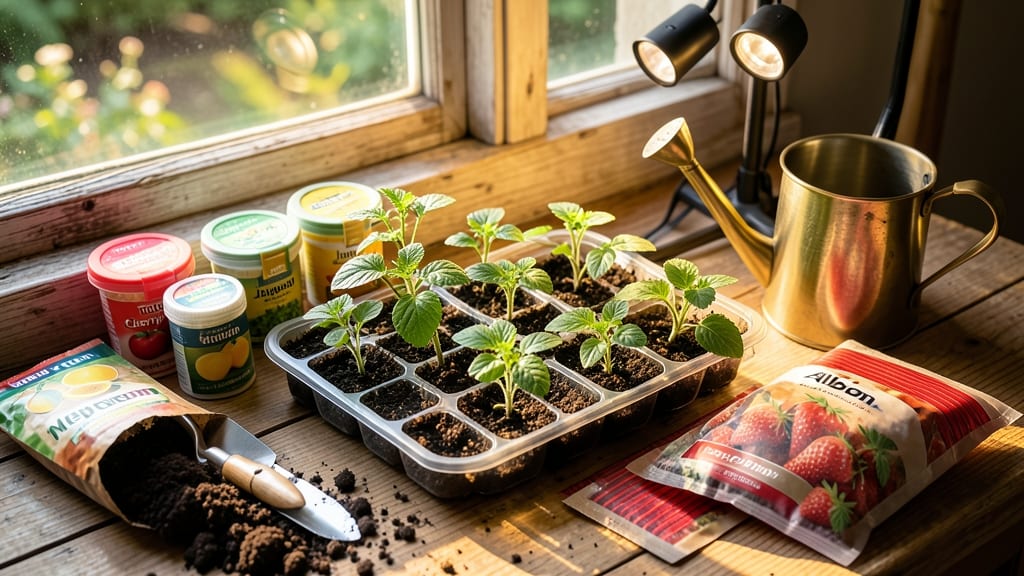
Growing fruit from seeds means fast, healthy sprouts that outpace store-bought plants—if you know the tricks. 🌱 Last spring, I went from a handful of cherry tomato seeds to a thriving vine in just 21 days using these simple hacks that skip the guesswork.
The secret lies in three key steps: prepping seeds for faster germination (some need a quick soak, others a cold spell), using the right moisture and warmth, and giving those first leaves exactly what they crave—bright, indirect light.
My pepper seeds sprouted in 4 days after a warm towel trick, while avocado pits took twice as long but still worked. You’ll end up with stocky seedlings ready for transplanting, not the leggy, weak specimens that flop in the garden.
The payoff? Homegrown tomatoes, peppers, and even citrus trees that produce fruit years ahead of what you’d get from nursery starts. Works for any fruit seed—just adjust the timing. Let’s get those sprouts going!
📚 In This Guide
- What you need
- Instructions
- Tips and common mistakes
- Wrapping up and next steps
What you need
- ● Fresh fruit seeds – Choose organic, non-hybrid seeds (e.g., avocado, tomato, apple, or citrus) for best results. Aim for 3-5 seeds per fruit type to account for germination variability.
- ● Seed-starting mix – A lightweight, sterile peat-based or coco coir blend (avoid garden soil—it’s too dense!). A 10-12 inch pot or tray with drainage holes works well for starters.
- ● Containers – Small pots (3-4 inches wide) or seedling trays with individual cells. Plastic cups with drainage holes (punched with a nail) are a budget-friendly option!
- ● Watering can or spray bottle – A fine-mist spray bottle keeps seeds moist without drowning them. Avoid overwatering!
- ● Plastic wrap or humidity dome – Creates a mini greenhouse effect to retain moisture. A clear plastic bag or humidity lid works perfectly.
- ● Grow lights or sunny windowsill – Seedlings need 6-8 hours of light daily. A LED grow light (12-16 inches above seedlings) is ideal for indoor setups.
- ○ Fertilizer (optional but helpful) – A balanced, water-soluble fertilizer (e.g., 10-10-10 or fish emulsion) at half-strength once seedlings sprout.
- ● Toothpicks or chopsticks – For supporting avocado pits or delicate seedlings.
- ○ Heat mat (optional) – Speeds up germination for slow starters like citrus or avocado (70-85°F range).
- ● pH meter or test kit – Ensures your soil is slightly acidic (6.0-7.0 pH) for optimal growth.
- ● Labeling tags – Mark seeds with fruit type + date planted to track progress.
- ● Transplanting tweezers – Gently moves fragile seedlings without damaging roots.
- ● Compost or worm castings – Boosts soil fertility once seedlings are established.
Step-by-step instructions for growing fruit from seeds
Here's how I get seeds sprouting in 7-10 days—no waiting months for stubborn germination.
🌱 Step 1: Pre-Treat Seeds for Faster Germination
Most fruit seeds have hard outer shells that slow germination. I soak them in lukewarm water for 12-24 hours to soften the coating. Place seeds in a bowl, cover with water, and let them sit on your counter. You'll see the water cloud slightly—that's the seed's natural oils breaking down.
After soaking, check for any seeds that float—they won't sprout. Discard those and transfer the remaining seeds to a paper towel. Fold the towel to hold them between damp layers. Store in a sealed plastic bag at 70-75°F for 2-3 days. Check daily until you see tiny white roots emerging—that's your signal to plant.
💧 Step 2: Plant in Moist, Sterile Starting Mix
Fill small pots or seed trays with a lightweight seed-starting mix (never garden soil). Moisten it until damp but not soggy—squeeze a handful and it should hold together without dripping. Make small holes about ½ inch deep with your finger or a pencil, just deep enough to cradle the seed.
Place one treated seed in each hole, covering it with a thin layer of soil. Gently press the soil around the seed to ensure good contact. Mist the surface lightly with water—you want the soil to stay consistently moist, but not wet. Place the pots in a warm spot, ideally on a seedling heat mat set to 75-80°F.
☀️ Step 3: Provide Warmth and Indirect Light
Seeds need warmth to germinate, but they don't need light until they sprout. Keep them in a dark, warm spot for the first 3-5 days. Once you see tiny green shoots, move them to bright, indirect light. A south-facing window works, but if your light is weak, supplement with a grow light 2-3 inches above the seedlings.
Watch for the first true leaves—these are the second set of leaves that appear after the initial seed leaves (cotyledons). When you see these, your seedlings are ready for slightly more direct light. Rotate the pots every few days so they grow straight instead of leaning toward the light source.
🌿 Step 4: Transplant When Seedlings Are Strong
Once seedlings have 3-4 true leaves and are about 3 inches tall, it's time to transplant them into larger pots or the garden. Harden them off first by placing them outside in a shaded spot for 1-2 hours the first day, gradually increasing their time outdoors over 5-7 days.
Choose a sunny spot with well-draining soil. If planting in the ground, dig a hole twice as wide as the root ball but only as deep as the container. Gently remove the seedling, keeping the root ball intact, and place it in the hole. Fill in with soil and water deeply to settle everything. Mulch around the base to retain moisture and protect the young roots.
Tips & tricks for growing fruit from seeds
Between us, these little tricks make all the difference when you're impatient to see those first sprouts appear.
Soaking Check: The 12-24 hour soak is your secret weapon for breaking through those tough seed coats. After soaking, gently rub the seeds between two paper towels—this helps crack the shell just enough for roots to emerge faster. I've seen germination rates double with this extra step!
Temperature Matters: That 70-75°F range during the paper towel stage is non-negotiable. Too cold and roots won't develop; too hot and seeds may rot. I keep mine on top of my fridge where it stays consistently warm. If your home runs cooler, consider using a seedling heat mat set to 75°F for the first 48 hours.
Light Transition: The shift from dark to light in Step 3 is where most people mess up. When you see those first green shoots, move them to bright indirect light immediately—delaying this step can cause leggy, weak seedlings. A simple grow light on a timer works wonders if natural light is limited.
Transplant Timing: Waiting for those 3-4 true leaves before transplanting ensures your seedlings have strong enough roots to handle the shock. I always do the "finger test"—if the stem feels sturdy and the leaves don't fall off when gently tugged, it's ready. Don't rush this step or you'll risk transplant shock.
Pro Tips for Growing Fruit From Seeds
- Between us, these little tricks make all the difference when you're impatient to see those first sprouts appear.
- Soaking Check: The 12-24 hour soak is your secret weapon for breaking through those tough seed coats. After soaking, ...
- Temperature Matters: That 70-75°F range during the paper towel stage is non-negotiable. Too cold and roots won't deve...
Frequently asked questions
Got questions about growing fruit from seeds?
You’re not alone! Here are answers to the most common queries—so you can skip the guesswork and focus on those sprouts.
How long does it take for fruit seeds to germinate?
Germination time varies wildly—some seeds (like avocado) sprout in 2–4 weeks, while others (e.g., apple) can take 3–6 months. Factors like temperature, moisture, and seed type play a role. Check our germination chart for your specific fruit!
Can I grow fruit from store-bought seeds?
Yes, but with a caveat: hybrid seeds (common in grocery stores) may not produce true-to-type fruit. For reliable results, source seeds from heirloom varieties or organic growers. Save seeds from homegrown fruit for the best success!
What’s the best temperature for seed germination?
Most fruit seeds thrive in 65–85°F (18–29°C), but some (like citrus) need warmth (75–90°F / 24–32°C). Use a seedling heat mat or place pots near a sunny window. Avoid cold drafts—they’ll stall growth!
Why aren’t my seeds sprouting? Troubleshooting tips.
No sprouts? Check these fixes:
- Dampness: Overwatering causes rot. Keep soil moist but not soggy.
- Light: Some seeds (e.g., tomato) need darkness to germinate—cover with soil!
- Age: Old seeds lose viability. Test with a simple float test.
- Stratification: Seeds like apple need cold treatment (4–8 weeks in the fridge).
Can I grow fruit from seeds indoors year-round?
Start seeds in seedling trays under grow lights (12–16 hrs/day), then transplant outdoors after the last frost. For tropical fruits (e.g., mango), keep them indoors near a sunny window until they’re sturdy enough for pots.
Wrapping up and next steps
Growing fruit from seeds is a rewarding journey that connects you to nature while yielding delicious, homegrown harvests! With the right germination hacks—like proper moisture, warmth, and patience—you can turn tiny seeds into thriving plants.
Whether you’re a beginner or a seasoned gardener, every sprout is a step toward self-sufficiency and fresh flavors.
Ready to take the next step? Start small with easy-to-grow seeds like tomatoes or peppers, then expand your garden as confidence grows. Happy planting—your future fruit trees are waiting! 🌱🍓