
Trees
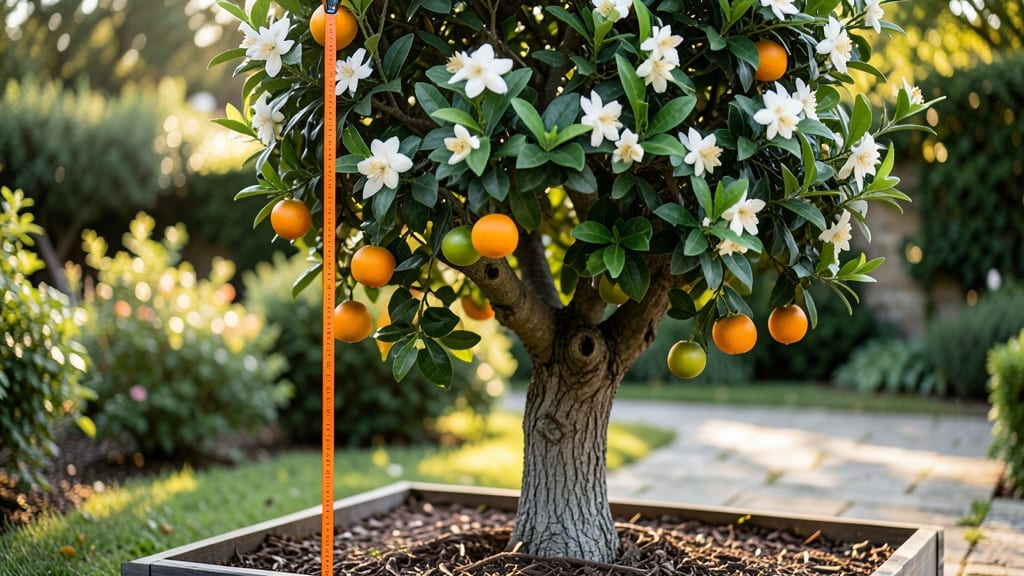
Fruit trees grow to heights ranging from how tall do fruit trees grow—8 feet in dwarf varieties to towering 80-foot giants in standard types—making the choice of size one of the most important decisions for any gardener.
Picture this: You’ve spent months planning your backyard oasis, only to realize your dream 🌳 fruit tree will outgrow the space faster than you can say "harvest season."
The good news? With the right variety and a little foresight, you can enjoy homegrown apples, peaches, or citrus without sacrificing your lawn—or your sanity.
From the compact dwarf apple trees that fit neatly in a patio pot to the sprawling avocado trees that need room to stretch their branches, the height of your fruit tree will dictate everything from pruning efforts to how easily you can pick those juicy rewards.
Below, we break down the exact mature heights of popular varieties and how to pick the perfect size for your space.
Whether you’re working with a cozy urban yard or a sprawling rural plot, knowing these heights helps you avoid common mistakes—like planting a standard peach tree where it’ll soon block your neighbor’s view. Let’s dive into the numbers so you can grow with confidence.


Fruit tree height guide: standard, dwarf, and semi-dwarf varieties compared
Choosing a fruit tree often comes down to one critical question: how tall will it grow? The answer dramatically impacts your yard layout, harvest accessibility, and even pruning efforts. Standard varieties can reach 60-80 feet, while dwarf trees stay under 10 feet.
The difference isn't just in height—it's in rootstock selection, growth rate, and productivity per square foot.
Rootstock plays the starring role in determining size. Dwarf rootstock like M.9 keeps trees under 8 feet, while semi-dwarf varieties (e.g., MM.106) hit 15-25 feet. Standard trees on seedling rootstock can dwarf your two-story home.
I'll break down exact mature heights for popular varieties and how to match them to your space.
📌 Pro Tip: Always check the rootstock when buying—many "dwarf" trees at nurseries are actually semi-dwarf!
Apple trees showcase the dramatic difference rootstock makes. A standard Granny Smith on seedling rootstock can hit 30 feet, while the same variety on M.9 rootstock stays under 8 feet.
The trade-off? Dwarf trees produce fruit earlier (often in 2-3 years) but may have slightly smaller yields per tree.
Citrus trees offer another great example. Dwarf Meyer lemons (8-10 feet) produce year-round in warm climates, while standard varieties need 20+ feet of space. My dwarf lemon tree in a 15-gallon pot yields 50+ lemons annually—proof that size doesn't limit productivity!
💡 Key Insight: Semi-dwarf varieties strike the best balance—15-25 feet tall with higher yields than dwarfs and easier maintenance than standards.
Peach trees follow similar patterns, but watch for rootstock susceptibility to peach leaf curl. Dwarf Nemaguard peaches (6-10 feet) resist disease better than standard varieties while maintaining heavy fruit production. For urban gardens, these are my top recommendation.
Avocado trees present unique challenges due to their slow growth and massive potential height. Standard Hass avocados can reach 80 feet, while dwarf varieties like Duke 7 stay under 15 feet. The catch? Even dwarf avocados take 5-7 years to bear fruit—patience is key!
When planning your orchard, consider tree spacing based on mature height. Standard apple trees need 30-40 feet between specimens, while dwarf varieties can thrive 8-10 feet apart. My backyard orchard uses a mix of semi-dwarf apples and dwarf citrus to maximize
How to choose the right fruit tree height for your space
Selecting the right fruit tree height starts with measuring your space. A standard apple tree can reach 25-30 feet tall, while a dwarf citrus tree stays under 8 feet. Your yard’s dimensions and layout will determine which size works best.
For example, a small urban patio might only accommodate a container-grown cherry tree (6-8 feet), while a rural backyard can handle a full-size peach tree (20+ feet). Always consider mature height, not just the initial planting size.
Harvest accessibility is another critical factor. A 15-foot semi-dwarf tree requires a sturdy ladder, while a 6-foot dwarf tree lets you pick fruit from a chair. If you have limited mobility, prioritize dwarf varieties like columnar apples or patio peaches.
These compact options also reduce pruning demands, saving you time and effort. Remember, taller trees need more frequent pruning to maintain shape and productivity.
Climate plays a surprising role in height selection. In warmer zones (USDA 9-11), citrus and avocado trees thrive but can grow 30-50 feet tall without intervention. In cooler climates (USDA 5-7), apple and pear trees stay smaller naturally due to shorter growing seasons.
Always check your local frost dates—taller trees may need winter protection like burlap wraps or mulch rings.
🌱 Key Takeaway: Fruit Tree Height Guide
6-12 ft
12-20 ft
20-50+ ft
Space-Saving Tip: Use espalier training to grow standard-height trees flat against a fence (reduces width by 80%). Perfect for urban gardens with limited ground space! 🪴
For urban gardeners, container growing opens doors to fruit trees in tiny spaces. A 5-gallon pot can hold a dwarf Meyer lemon tree (4-6 feet), while a 15-gallon container accommodates a patio pear tree (8-10 feet).
Use lightweight, fast-draining mixes with 30% perlite to prevent root rot. Just ensure containers get full sun (6+ hours) and winter protection if temperatures drop below 20°F.
Pruning requirements vary dramatically by height. A 20-foot peach tree needs annual structural pruning to remove dead wood and shape the canopy, while a 6-foot dwarf plum tree may only require light shaping every 2-3 years.
If you’re new to pruning, start with low-maintenance varieties like columnar apples or pyramidal pears. These grow in narrow shapes, reducing the need for complex pruning techniques.
Finally, consider your long-term goals. If you plan to sell fruit at a farmers' market, larger trees produce more yield but require more space. For personal consumption, dwarf varieties offer convenience and lower maintenance.
My 8-foot dwarf apple tree produces enough fruit for my family of four with minimal effort—proving that smaller doesn’t mean less productive. Always visit a local nursery to see mature trees before purchasing!