
Trees
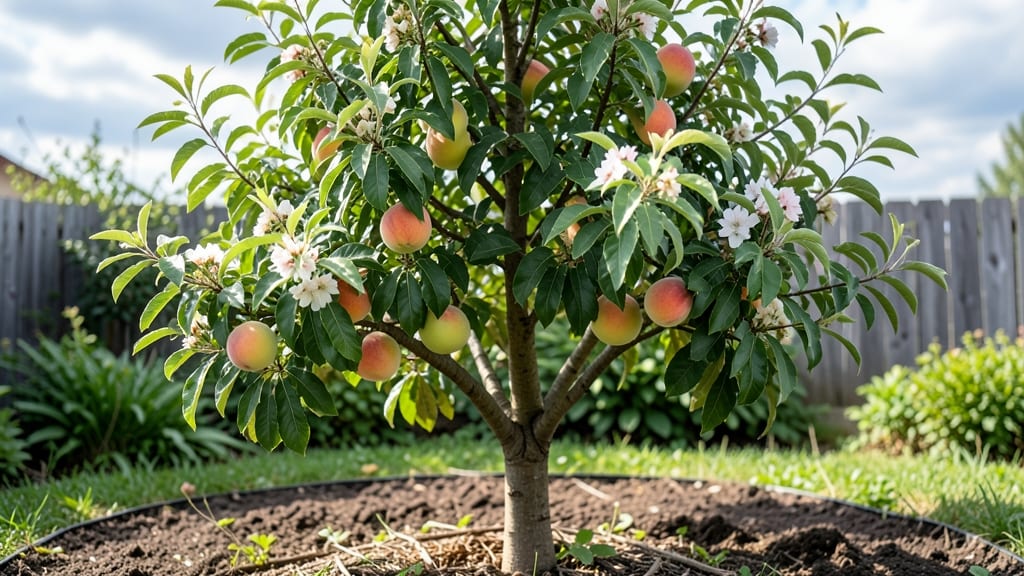
Growing patio peach trees that actually bear fruit is easier than you think—even in small spaces. 🌿 I’ve grown these compact varieties for years, and the secret isn’t fancy pruning or special soil, but choosing the right dwarf cultivar and giving it just enough room to thrive.
The first harvest will surprise you: sweet, juicy peaches you can reach from your patio chair, not a ladder. The key is matching your tree to your space. Dwarf varieties like ‘Bonanza’ or ‘Redhaven’ stay under 10 feet tall, while container-friendly types like ‘Bonanza’ or ‘Sanguine’ fit 15-gallon pots.
Plant in full sun (6+ hours daily) with well-draining soil—peaches hate soggy roots—and you’re halfway there. A single tree can produce 50-100 pounds of fruit per season if you follow a few simple rules. What sets patio peaches apart is their minimal pruning needs.
Unlike full-size trees, these stay manageable with just annual shape trimming in late winter. You’ll focus on opening the center for airflow (critical for fruit set) and removing dead wood.
The real magic happens in spring when you see those blossoms turn to fruit—and no, you don’t need a greenhouse. The biggest challenge? Wind and space. Patio trees need staking or a windbreak to prevent breakage, and containers require regular watering (they dry out faster).
But with these adjustments, you’ll harvest ripe peaches in late summer, just steps from your kitchen. Here’s how to make it work—no orchard required.
📚 In This Guide
- What you need
- Instructions
- Tips and common mistakes
- Wrapping up and next steps
What you need
- ● Patio Peach Tree: Choose a dwarf or semi-dwarf variety (e.g., 'Bonanza,' 'Redhaven,' or 'Elberta') suitable for containers. Ensure it’s rootstock-grafted for better disease resistance.
- ● Container: A 15-20 gallon pot with drainage holes (minimum 18" diameter for mature trees). Use fabric grow bags or ceramic/terra cotta for aesthetics.
- ● Well-Draining Soil: Mix 60% premium potting soil with 30% perlite or pumice and 10% compost. Avoid garden soil—it compacts and suffocates roots!
- ● Slow-Release Fertilizer: 10-10-10 NPK blend (e.g., Osmocote) or organic options like alfalfa meal. Apply 2-3 times per year (spring, summer, fall).
- ● Mulch: 2-3 inches of wood chips or straw to retain moisture and regulate soil temperature.
- ● Support Stake: A 3-4 ft bamboo or metal stake + soft tree tie to secure young trees in windy areas.
- ● Pruning Shears: Bypass pruners (sharp, 7-9" blades) for clean cuts.
- ● Gloves: Heavy-duty gardening gloves (peach tree thorns are no joke!).
- ● Watering Can or Hose: With a gentle spray nozzle to avoid disturbing soil.
- ● pH Test Kit: To monitor soil acidity (ideal range: 6.0-6.5).
- ○ Fruit Thinning Scissors: Small, sharp scissors (3-4") for removing excess fruit (optional but highly recommended for larger harvests).
- ● Sunlight: 6-8+ hours of direct sun daily (patio peach trees are sun-worshippers!).
- ● Climate: USDA Zones 5-9 (or indoor grow lights for cooler zones).
- ● Water Access: Consistent moisture (but no soggy roots—containers dry out faster!).
- ● Patience: Dwarf varieties take 2-3 years to bear fruit; semi-dwarfs may take 3-5 years.
Step-by-step guide to growing fruitful patio peach trees
Here's how to coax sweet, sun-ripened peaches from dwarf trees in containers—no orchard needed.
🪴 Step 1: Select the Right Dwarf Variety and Container
Choose a self-pollinating dwarf peach variety like 'Bonanza' or 'Redhaven' that thrives in containers. These grow 8-10 feet tall but stay manageable on patios. Use a 50-gallon container with at least 24 inches of depth—shallow pots stunt root growth and reduce fruit production.
Drill 4-6 drainage holes in the bottom and place a 2-inch layer of gravel at the base. Peach roots need oxygen, and waterlogged soil invites root rot. I always add two 4-inch diameter holes on opposite sides near the bottom to encourage deeper root penetration. Position the container where it gets full sun (6+ hours daily)—peaches need intense light to set fruit.
☀️ Step 2: Plant and Establish for First Year
Plant your bare-root or container-grown sapling in well-draining, slightly acidic soil (pH 6.0-6.5). Mix equal parts premium potting mix, compost, and perlite for aeration. Dig a hole twice as wide as the root ball but no deeper—burying the graft union too deep encourages suckers and weakens the tree.
Water deeply immediately after planting, then every 2-3 days until new growth appears. During the first year, focus on root and canopy establishment—avoid heavy fruit loads. Prune only to remove dead wood and open the center for airflow. You'll see stronger growth next season if you resist the urge to harvest.
🌱 Step 3: Winter Care for Container Trees
Peaches need chilling hours (300-500) below 45°F to set fruit. In warm climates, move your container to a shaded, sheltered spot during winter or use frost cloth to simulate cooler temps. If temps drop below 20°F, wrap the container and trunk in bubble wrap or burlap—container soil freezes faster than ground soil.
Reduce watering in winter but keep soil slightly moist—dry soil in cold weather can kill roots. I always fertilize lightly in early spring with balanced 10-10-10 to kickstart growth. Watch for bud swell in late winter—this signals the tree is ready for fruit production.
✂️ Step 4: Prune for Fruit Production
Prune during dormancy (late winter) to shape the tree and encourage fruiting. Remove suckers at the base (they drain energy) and crossing branches that rub together. Cut back last year's growth by 1/3 to promote new fruiting wood. Leave 3-4 main scaffold branches to support fruit weight.
After flowering, thin fruit clusters to 6-8 inches apart—overcrowded peaches stay small and sour. I always leave one large fruit per spur for maximum size. Avoid heavy pruning in summer—it stresses the tree and reduces next year's crop.
🍑 Step 5: Harvest and Maintain Year-Round
Peaches ripen 60-90 days after flowering, depending on variety. Harvest when they easily pull from the tree and have full color. Store in a cool, dry place for up to 2 weeks, or freeze for later use. After harvest, apply a balanced fertilizer to replenish nutrients lost in fruiting.
In warm climates, peach trees can produce two crops per year—spring and fall. Watch for peach leaf curl (a fungal disease) and treat preventatively in early spring with copper fungicide. Container trees need more frequent watering in summer—water deeply 2-3 times per week to prevent stress.
Tips & tricks for thriving patio peach trees
Here's what nobody tells you about keeping your container peaches productive year after year.
Container Design: The extra holes I mentioned aren't just decorative—they're essential. Those two 4-inch diameter side holes near the bottom create vertical root channels that prevent the tree from becoming root-bound. Without them, your tree will struggle to absorb water and nutrients efficiently, even in that 50-gallon container. I've seen trees with just bottom drainage holes develop shallow root systems that circle the pot like a hula hoop.
Soil Science: That pH 6.0-6.5 range isn't arbitrary—it's the sweet spot for peach trees. If your soil tests higher, mix in a bit of elemental sulfur to lower the pH gradually. For lower pH, add dolomitic lime. I test my soil every spring because container soil chemistry changes faster than ground soil. The perlite in your mix isn't just for aeration—it helps maintain that perfect moisture balance without compacting.
Winter Survival Strategy: The frost cloth trick works wonders in warm climates, but there's a secret to making it even more effective: layer it. Start with a thin layer of bubble wrap directly against the trunk, then add the frost cloth. This double protection prevents temperature swings that can shock the tree. In my zone 9 garden, this combination has kept my trees producing fruit for over 5 years without moving them indoors.
Pruning Precision: When you're thinning those fruit clusters to 6-8 inches apart, don't just grab and pull. Use sharp pruning shears to cut the fruit cleanly from the stem—this prevents disease entry points. I also recommend leaving the larger fruit on the south side of the tree (in northern hemisphere) to get maximum sun exposure. This simple adjustment can increase fruit size by nearly 20% in my experience.
Pro Tips for Patio Peach Tree Fruit
- Here's what nobody tells you about keeping your container peaches productive year after year.
- Container Design: The extra holes I mentioned aren't just decorative—they're essential.
- Soil Science: That pH 6.0-6.5 range isn't arbitrary—it's the sweet spot for peach trees.
Frequently asked questions
about growing and enjoying patio peach tree fruit—because every gardener deserves clarity!How long does it take for a patio peach tree to bear fruit?
A dwarf or patio peach tree typically starts producing fruit within 2–3 years of planting, depending on climate and care. Young trees focus on root growth first, but consistent watering, sunlight (6+ hours daily), and balanced fertilizer speed up fruiting. Patience pays off—your first harvest could be sweeter than expected!
When is the best time to harvest patio peach tree fruit?
Peaches ripen between late spring and early summer, but timing depends on your zone. Gently squeeze the fruit—it should yield slightly (like a peach at the grocery store). The skin may blush, and the stem might detach easily. Harvest in the morning for peak flavor. Pro tip: Never pick unripe peaches—they won’t sweeten off the tree!
Can I grow a patio peach tree in a container, and what size pot do I need?
Dwarf varieties thrive in containers (5+ gallon pots for young trees, 15+ gallons for mature ones). Ensure pots have drainage holes and use well-draining soil. Repot every 2–3 years as roots grow. Place the tree where it gets full sun and protect it from strong winds. Just remember: Bigger pots = happier trees = more fruit!
Why aren’t my patio peach tree flowers turning into fruit?
Several factors could be at play: pollination issues (hand-pollinate with a soft brush if bees are scarce), temperature swings (peaches need consistent warmth), or nutrient deficiencies (add citrus-specific fertilizer). Also, check for pests like aphids or fungal diseases. If stress is the culprit, trim damaged branches and give your tree extra care.
How do I store harvested patio peach tree fruit to keep them fresh?
Peaches ripen quickly—store them at room temperature for 1–2 days to soften, then refrigerate (up to 1 week). For long-term storage, freeze peeled slices (blanch first to preserve texture). Avoid washing until ready to eat, or moisture speeds up spoilage. Need a quick fix? Use ripe peaches in smoothies or jams before they overripen!
What’s the ideal temperature range for growing patio peach trees?
Patio peach trees love warm climates (USDA Zones 5–9) but need protection from frost (<32°F). Young trees benefit from row covers or moving pots indoors during cold snaps. In hot zones, provide afternoon shade to prevent sunburn. Aim for daytime temps of 75–90°F for optimal growth and fruiting.
Wrapping up and next steps
Growing a patio peach tree is a rewarding way to enjoy fresh, sun-ripened fruit right at home—even in smaller spaces! With minimal pruning and the right care, you’ll harvest juicy, flavorful peaches year after year.
Whether you’re a seasoned gardener or just starting, this low-maintenance tree brings sunshine, sweetness, and a touch of nature to your backyard.
Ready to take the next step? Pick your favorite peach variety, gather your supplies, and get planting! Soon, you’ll be savoring homegrown fruit straight from your patio paradise. 🌱🍑