
Propagation
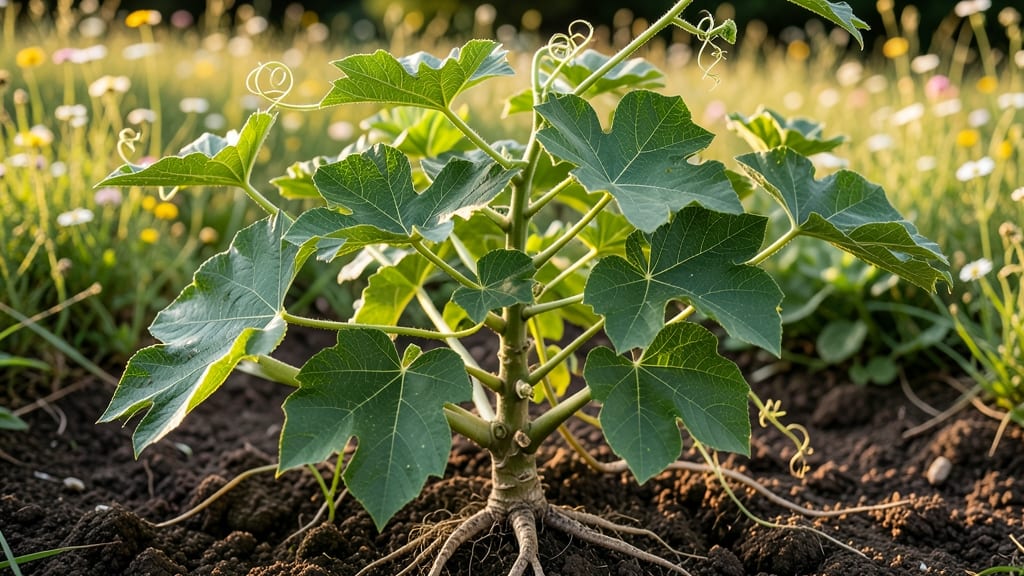
Those young passion fruit leaves are your golden ticket to fast root growth—if you know how to spot and nurture them. 🌱 The tiny, fuzzy, three-lobed leaves appear within weeks of planting seeds, and with the right care, they’ll transform into a thriving vine in just a few months.
I’ve propagated dozens, and the secret lies in keeping them warm, moist, and pest-free during those critical first weeks.
Start by planting seeds in well-draining soil under bright, indirect light—think 70-80°F and humidity levels that mimic their tropical roots. Prune any yellowing or damaged leaves immediately to redirect energy into root development, and watch as those delicate stems thicken and strengthen.
The key? Consistency. Too much water drowns them; too little stunts growth. Balance is everything.
📚 In This Guide
- What you need
- Instructions
- Tips and common mistakes
- Wrapping up and next steps
What you need
- ● Young passion fruit leaves: 3–5 healthy, disease-free leaves (preferably from a mature plant, ~6–8 inches long).
- ○ Rooting hormone: 1 small bottle (e.g., Clonex or similar, optional but recommended for faster rooting).
- ● Well-draining potting mix: 1 small pot (4–6 inches in diameter) filled with a mix of: 50% perlite or vermiculite (for aeration)
- ● 30% coconut coir or peat moss (for moisture retention)
- ● 20% compost or worm castings (for nutrients)
- ● Clear plastic bag or propagator: 1 (to create a humidity dome).
- ● Spray bottle: 1 (with water or a fungicide solution like hydrogen peroxide, 3% dilution).
- ● Pruning shears or sharp knife: Sterilized to avoid contamination.
- ● Rubbing alcohol (70% or higher): For cleaning tools.
- ● Small pots or seedling trays: With drainage holes (1–2 per cutting).
- ○ Grow lights or sunny windowsill: Bright, indirect light (6+ hours daily). Optional: A heat mat (70–75°F) for faster rooting.
- ● Patience & consistency: Passion fruit leaves take 4–8 weeks to root—stay diligent!
Step-by-step instructions for propagating passion fruit from young leaves
Here's how to coax roots from passion fruit cuttings—fast and without expensive tools.
🌱 Step 1: Select and Prepare Healthy Leaves
Choose 4-6 young, mature leaves from a healthy vine—look for ones with 3-4 inches of stem still attached. These should be from the current season's growth, not woody old stems. I like to pick leaves just below a node (the bump where roots form) because that's where root hormones concentrate.
Use sterilized scissors to make a clean cut just below the node at a 45-degree angle. This increases surface area for root formation. Immediately place the cuttings in a glass of room-temperature water to prevent wilting while you prepare the rooting medium.
💧 Step 2: Create the Perfect Rooting Environment
Fill a small propagation tray (or clean plastic container) with equal parts perlite and coconut coir—this mix stays moist but drains well. I dampen it until it feels like a wrung-out sponge, not soggy. The reason for perlite is that it prevents rot while coconut coir holds moisture near the cuttings.
Make 1-inch deep holes with your finger, spacing them 2 inches apart. Dip each cutting's base in rooting hormone powder (optional but speeds growth) before inserting. Gently firm the mix around the stem so it stands upright—this prevents leaning as roots form.
☀️ Step 3: Provide Warmth and Indirect Light
Cover the tray with a clear plastic dome or plastic wrap to trap humidity. Place it in a warm spot (ideally 75-80°F)—a seedling heat mat underneath works wonders. Passion fruit roots best in warmth, and this setup mimics tropical humidity. Expect roots in 2-4 weeks, but check weekly.
Place the tray 4 inches from a bright, indirect light source—direct sun will scorch the leaves. You'll know the light is right when leaves stay deep green and don't yellow. If they wilt, move it farther away immediately.
✂️ Step 4: Transplant When Roots Form
After 3-4 weeks, gently tug on a cutting—if you feel gentle resistance, roots have formed. Remove the plastic cover gradually over 3 days to harden off the new plants. I transplant them into 4-inch pots filled with 50% potting mix and 50% perlite for aeration.
Water lightly after transplanting and place in bright, filtered light for a week. Avoid full sun until new growth appears—this prevents transplant shock. You'll see new leaves in 2-3 weeks, signaling the plant has adjusted.
🌿 Step 5: Maintain Fast Growth After Root Establishment
Once rooted, fertilize lightly with half-strength liquid fertilizer every 4 weeks—passion fruit responds well to feeding but can burn with too much. Keep soil evenly moist but never soggy—drooping leaves mean it's time to water.
Rotate the pots quarter-turn weekly so plants grow straight. After 8-10 weeks, you can transplant to the garden or larger containers. The key to fast growth is consistent warmth and indirect light—skip either, and roots stall.
Tips & tricks for fast passion fruit propagation
These little tweaks can make all the difference between waiting months for roots and seeing new growth in weeks.
Selection is Everything: Look for leaves with stems that are still flexible but not brittle—this is your sign of youthful vigor. The node (that little bump) should be plump and green, not dry or brown. I've learned the hard way that older, woody stems take forever to root, if they ever do. Confession: I skipped this step for years and wondered why my cuttings always failed.
Water Temperature Matters: That glass of room-temperature water isn't just for preventing wilting—it's about mimicking the plant's natural environment. Cold water can shock the cuttings, while warm water can encourage microbial growth. I keep mine in a glass on my counter where the tap water naturally warms to about 70°F before using it.
Rooting Hormone Hack: If you're using rooting hormone powder, don't just dip the base—give it a little shake to remove excess. Too much powder can create a crust that blocks oxygen flow to the stem. I like to tap the cutting gently against the side of the container to dislodge any clumps before planting. This simple step can double your success rate.
Light Balance: That 4-inch distance from light isn't arbitrary—it's about creating the perfect balance. Too close and you'll get leaf scorch, too far and your cuttings will stretch pitifully toward the light. I test by holding my hand between the light source and tray—if I can feel warmth but not direct sun, I'm in the right zone. Watch for leaves that turn pale yellow near the edges—that's your warning to move it back.
Pro Tips for Young Passion Fruit Leaves
- These little tweaks can make all the difference between waiting months for roots and seeing new growth in weeks.
- Selection is Everything: Look for leaves with stems that are still flexible but not brittle—this is your sign of youthful vigor.
- Water Temperature Matters: That glass of room-temperature water isn't just for preventing wilting—it's about mimicking the plant's natural environment.
Frequently asked questions
Got questions about growing young passion fruit leaves?
Here are some of the most common concerns—plus quick, actionable answers to help you succeed!
How long does it take for young passion fruit leaves to root?
With the right conditions (warmth, humidity, and a rooting hormone), you’ll typically see roots forming in 2–4 weeks. Keep the soil moist but not soggy, and place cuttings in bright, indirect light. Patience is key—some vigorous cuttings may root even faster!
Why aren’t my passion fruit leaf cuttings rooting?
If your cuttings refuse to root, check these common culprits:
- Poor humidity: Passion fruit loves moisture—cover cuttings with a plastic bag or use a humidifier.
- Low temperatures: Ideal range is 70–85°F (21–29°C). Avoid drafts or cold windowsills.
- Overwatering: Soggy soil = rot. Let the top inch dry out between waterings.
- No rooting hormone: A quick dip in hormone powder or gel can double your success rate.
Can I propagate passion fruit leaves in water instead of soil?
Yes! Water propagation works well for passion fruit. Simply place cuttings in a jar of water (1–2 inches submerged), changing the water every 3–4 days. Roots should appear in 3–6 weeks. Once roots are 2+ inches long, transplant to soil.
What’s the best time of year to take passion fruit leaf cuttings?
The ideal window is late spring to early summer (when new growth is vigorous) or early fall (before frost). Avoid winter cuttings—the plant’s growth slows, making rooting harder. If you’re in a tropical climate, you can propagate year-round!
Are young passion fruit leaves safe for indoor growing?
Passion fruit thrives indoors with bright, indirect light (a south- or west-facing window works best). Use a grow light if natural light is limited. Just ensure good airflow (a small fan helps) and monitor for pests like spider mites.
Pro Tip:
For faster rooting, try air layering—wrap a node on the vine with damp moss and plastic wrap. Roots will sprout in 4–6 weeks, and you can snip the cutting below the new roots for an instant plant!
Wrapping up and next steps
Young passion fruit leaves offer a fantastic, low-maintenance way to grow your own thriving passion fruit plants—fast! With the right tools, patience, and a little green thumb love, you’ll soon be watching those roots sprout and your garden flourish. 🌱
Ready to take the next step? Start with just a few cuttings today—your future harvest (and delicious fruit!) will thank you. Happy propagating! 🍈✨