
Size
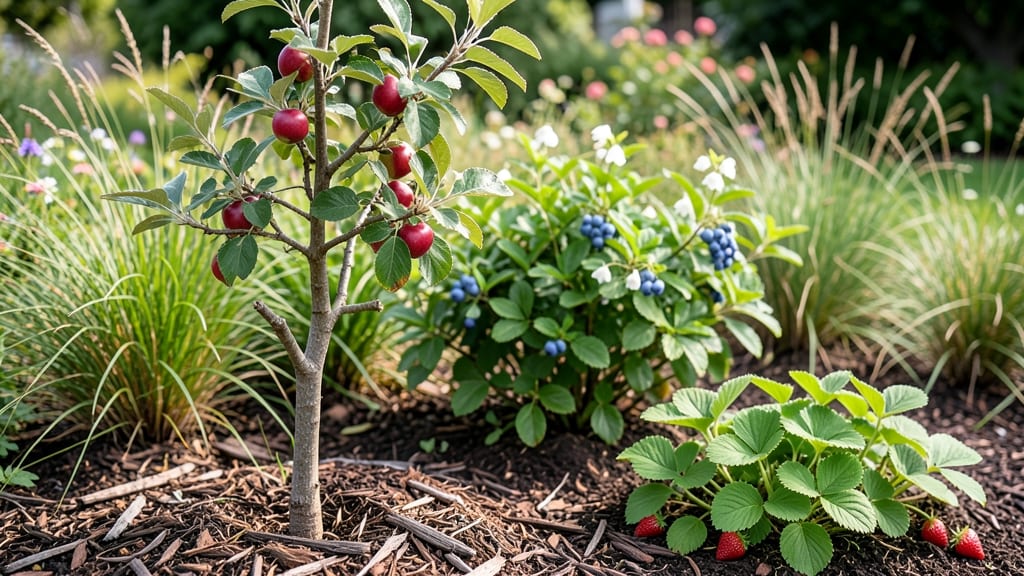
Growing fruit plants in your garden means juicy rewards with just four simple pruning tricks. 🌿 I learned the hard way that skipping pruning leads to fewer fruits and more pests—until I discovered how strategic cuts boost harvests year-round.
The secret isn’t complicated: it’s about timing, shape, and knowing which branches to keep (and which to remove). Start with the right tools: sharp pruners, gloves, and a clear day. You’ll focus on four key cuts: removing dead wood, thinning crowded branches, shaping for sunlight, and encouraging new growth.
My strawberry plants now produce three times more berries after just one season of this method. What you’ll end up with is a fruit garden that’s easier to care for and packed with flavor. The pruning takes 20 minutes in winter, but the payoff is summer baskets of ripe fruit.
Even my black thumb can’t mess this up. Works for berries, stone fruits, and citrus—just adjust timing to your climate. Let’s get those pruners ready!
📚 In This Guide
- What you need
- Instructions
- Tips and common mistakes
- Wrapping up and next steps
What you need
- ● Fruit plants: Choose 4-6 varieties (e.g., citrus, berries, apples, or stone fruits) based on your climate zone. Pro tip: 🌡️ Opt for dwarf or semi-dwarf varieties for smaller spaces!
- ● Pruning shears: 1 pair (bypass pruners, 6-8” blade for clean cuts). Must-have: ✨ Sharp, rust-resistant blades for precision.
- ● Loppers: 1 pair (for thicker branches, 18-24” reach).
- ● Hand saw: 1 (for stubborn branches, 8-10” blade).
- ● Disinfectant (70% isopropyl alcohol or bleach solution): Small bottle (4 oz) to sterilize tools between cuts.
- ○ Pruning sealant: Optional (latex-based, 4 oz) for sealing larger cuts (1/4”+ diameter).
- ● Garden gloves: 1 pair (cut-resistant for safety).
- ● Work boots or sturdy shoes: 1 pair (with ankle support for uneven terrain).
- ● Know your plant’s needs: Research each fruit plant’s ideal pruning season (e.g., citrus in late winter, apples in early spring).
- ● Weather check: Prune on a dry, calm day (avoid rain or wind).
- ○ Optional: Extension pole (for tall trees, 6-10 ft).
- ● Pruning saw (for large branches, 12” blade).
- ● Garden cart (to haul tools and clippings).
- ● Notebook (to track pruning dates and plant growth).
Step-by-step pruning for year-round fruit plant harvests
Here's the simple system I use to keep my fruit plants productive all year—no complicated tools or guesswork.
✂️ Step 1: Prune for Airflow in Early Spring
Start as soon as you see new growth in early spring. Fruit plants like strawberries and blueberries need open space between branches to prevent fungal diseases. Cut back any dead or crossing branches first—these are easy to spot because they're brown and brittle. Use clean, sharp pruners to make cuts at a 45-degree angle just above a leaf node.
For berry plants, remove about one-third of the oldest canes to encourage new, vigorous growth. This might sound drastic, but trust me—it pays off with bigger harvests. Watch for green shoots emerging from the base of the plant; these are your future fruit producers.
☀️ Step 2: Thin Fruit Clusters in Late Spring
When you see small fruit forming (about pea-sizedstrongest fruit clusters per stem—leave 6-8 inches between clusters for optimal growth. You'll know you've done it right when the remaining fruit has plenty of space to grow without competing for nutrients.
This is also when I remove any fruit growing on weak or spindly branches. These won't produce quality fruit and just drain energy from the plant. A good rule of thumb: if the branch is thinner than a pencil, it's not strong enough to support fruit.
✂️ Step 3: Light Pruning After First Harvest
Once the first harvest is done, give your plants a quick check. Look for any branches that grew too long or leggy during the season—these need trimming to encourage bushier growth next year. Cut back about one-third of the longest branches, making cuts just above a leaf node or outward-facing bud.
This is also the time to remove any suckers (those little shoots growing at the base of the plant). While they might seem harmless, they steal energy from your main fruit-producing branches. Use your fingers to snap them off cleanly—no need for pruners here.
🪴 Step 4: Winter Cleanup for Next Season
In late fall or early winter, when the plant is dormant, do a thorough cleanup. Remove all dead leaves, spent fruit clusters, and any branches that died back during the season. This prevents pests and diseases from overwintering in your garden. For berry plants, you can cut back canes to about 6-12 inches tall—this makes next year's harvest easier to reach and see.
Here's the thing—this might seem like a lot of work, but it's actually less work in the long run. Well-pruned plants produce more fruit with less effort. Plus, you'll end up with bigger, tastier fruit that's easier to harvest. Think of it as giving your plants a spa day—they'll thank you with a better harvest next season.
Tips & tricks for year-round fruit plant care
Here's what nobody tells you about keeping fruit plants thriving through every season.
Timing Secret: Early spring pruning is all about new growth, not just calendar dates. I learned this the hard way—waiting until buds opened meant I missed the best time to shape the plant. Watch for those first tender leaves emerging from the base of canes. That's your cue to start. For berry plants, the one-third oldest canes rule might seem harsh, but those older canes produce smaller fruit and are more prone to disease. Think of it as giving your plant a fresh start every year.
Thinning Technique: When thinning fruit clusters in late spring, focus on space between clusters (6-8 inches) rather than just quantity. I used to remove fruit until I thought the plant looked "sparse," but the key is creating room for what remains to grow. A good test: if you can't see sunlight reaching the center of the plant, you need to thin more. The pea-sized stage is perfect because fruit is still small enough to remove without wasting much. And always leave the strongest clusters—they'll be the most flavorful.
Equipment Upgrade: Invest in a pair of bypass pruners with a comfortable grip. The 45-degree angle cut above a leaf node isn't just tradition—it helps water run off and prevents disease. I also keep a small pair of hand pruners for removing suckers at the base of plants. For larger branches, a sharp saw works better than dull shears, which crush stems and invite infection. Clean your tools with rubbing alcohol between cuts to prevent spreading any potential diseases from plant to plant.
Seasonal Strategy: Winter cleanup is your chance to reset everything. That 6-12 inch height for berry canes might seem extreme, but it makes next year's harvest so much easier. You'll see new growth faster in spring, and those lower branches will be more accessible. Pro tip: bundle canes together and secure them with twine to protect them from winter winds. This also makes it easier to spot any dead or damaged branches during your winter inspection.
Pro Tips for Fruit Plants Grow A Garden
- Here's what nobody tells you about keeping fruit plants thriving through every season.
- Timing Secret: Early spring pruning is all about new growth, not just calendar dates.
- Thinning Technique: When thinning fruit clusters in late spring, focus on space between clusters (6-8 inches) rather than just quantity.
Frequently asked questions
Got questions about growing fruit plants in your garden? We’ve got answers! Here are some of the most common concerns—plus quick fixes to keep your harvest thriving year-round.
What’s the best time of year to plant fruit trees and shrubs?
For most temperate climates, late winter or early spring (before buds swell) is ideal—so roots establish before summer heat. In warmer zones, plant in fall (6–8 weeks before first frost). Evergreens like citrus or figs thrive in spring or early summer to avoid frost damage. Always check your plant’s specific needs!
How do I know if my fruit plants need pruning, and when?
Prune when plants are dormant (winter for deciduous, late summer for evergreens) to avoid disease spread. Signs you need to prune: overcrowded branches, dead wood, or fruit clusters too far apart. For year-round harvests, light pruning after each fruiting cycle (e.g., spring for stone fruits, summer for berries) keeps energy focused on production.
Can I grow fruit plants in containers, and what are the best options?
Dwarf varieties
(like ‘Patio’ peaches or ‘Tumbling Tom’ tomatoes) thrive in containers. Choose pots with drainage holes and use well-draining soil. Top picks for containers: strawberries, blueberries, dwarf citrus, and bush beans. Just ensure they get 6+ hours of sunlight daily and fertilize regularly.
Why aren’t my fruit plants producing, even after pruning?
Common culprits: poor pollination, nutrient deficiencies, or stress (drought, extreme heat/cold). Check for bees or wind (hand-pollinate if needed), test soil pH (e.g., blueberries need acidic soil, pH 4.5–5.5), and ensure consistent watering. Over-pruning or pruning at the wrong time can also stunt fruit set—aim for 20–30% of new growth per cut.
Are there low-maintenance fruit plants for beginners?
Start with these easy-care champions:
Pair with mulch and drip irrigation to cut chores!
Wrapping up and next steps
Growing a thriving fruit garden isn’t just about planting—it’s about nurturing with simple pruning tricks that unlock year-round harvests! 🌱 From revitalizing overgrown branches to shaping your plants for optimal growth, these techniques ensure healthier yields and happier plants.
Whether you’re a beginner or a seasoned gardener, a little pruning goes a long way.
Now that you’re armed with the knowledge, roll up your sleeves and get pruning! Start with one plant this week, and watch your garden transform into a bountiful paradise. Happy growing—and enjoy those sweet rewards! 🍓🍇