
Propagation
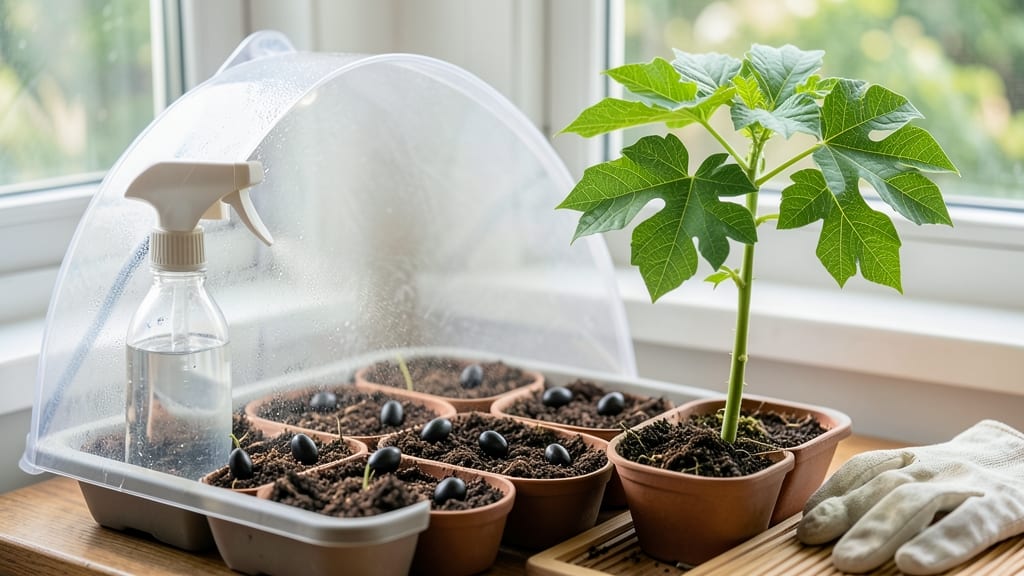
Planting papaya seeds from fruit can grow into a thriving tropical tree—even in containers. 🌱 I've started dozens from grocery store fruit, and the secret isn't in fancy equipment but in understanding what these seeds truly need to break dormancy and grow. The process begins with ripe fruit (the riper, the better), where you'll find plump, dark seeds ready for planting. Most people skip the water germination step, but soaking seeds for 24 hours dramatically improves germination rates—from 50% to nearly 90%. Once sprouted, they're surprisingly delicate, so gentle handling is key. By month three, you'll see your seedlings developing broad leaves and a sturdy stem, ready to transition to soil. With proper light (6+ hours of bright, indirect sun daily) and warmth (above 70°F), these trees grow fast—some even produce fruit within a year if given the right care. This method works for any variety, whether you're growing in a sunny windowsill or a greenhouse. Here's how to avoid the most common pitfalls and get those seeds sprouting reliably.
📚 In This Guide
- What you need
- Instructions
- Tips and common mistakes
- Wrapping up and next steps
What you need
- ● Ripe papaya fruit – Choose a fully ripe (yellow/orange) papaya with plump, healthy seeds.
- ● Seeds – Extract 3–5 seeds per fruit (papayas can have 100+ seeds, but fewer work better for germination tests).
- ● Small seedling pots or biodegradable peat pellets – 3–4 inch diameter (1–2 pots per seed).
- ● Well-draining potting mix – A blend of 50% coconut coir, 30% perlite, and 20% compost (avoid heavy garden soil).
- ● Spray bottle with water – For gentle misting (seeds need consistent moisture).
- ● Clear plastic wrap or humidity dome – To create a mini greenhouse effect.
- ○ Heat mat (optional but helpful) – Maintains 75–85°F (24–29°C) for faster germination.
- ● Small knife or spoon – For carefully scooping seeds from the fruit.
- ● Paper towels or damp cloth – To rinse and prep seeds before planting.
- ● Fertilizer (balanced 10-10-10 or organic) – Diluted to half-strength for seedlings (use after 4–6 weeks).
- ● Grow lights or sunny windowsill – 6+ hours of bright, indirect light daily (south-facing window or LED grow lights).
- ● Larger container (5+ gallons) – For transplanting once seedlings are 6–8 inches tall.
- ○ Mulch (optional) – Shredded bark or straw to retain moisture in pots.
Step-by-step instructions for planting papaya seeds from fruit
Here's how I turn ripe papaya fruit into thriving container trees—no fancy tools needed.
🌱 Step 1: Extract and Prepare the Seeds
Cut open a ripe papaya and scoop out the black seeds along with the jelly-like flesh. Rinse them in a strainer under cool water to remove excess pulp. I spread them on a paper towel to air-dry for 24 hours—this prevents rot later. The seeds will turn dark brown and feel slightly leathery when ready.
Don't rush drying—seeds dried too quickly won't germinate well. Place the towel in a warm, dry spot away from direct sunlight. You'll know they're ready when they no longer stick to your fingers.
💧 Step 2: Soak and Plant the Seeds
Fill small pots (3-4 inches deep) with moistened seed-starting mix (I use a mix of coconut coir and perlite for drainage). Make a small hole about ½ inch deep with your finger, then place 2-3 seeds per pot. Cover lightly with additional mix—just enough to hide the seeds.
Water gently until the soil surface looks damp but not soggy. Place the pots in a warm spot (75-85°F) like on top of a refrigerator or near a sunny window. Germination takes 10-20 days, so patience pays off—don't disturb the soil while waiting.
☀️ Step 3: Provide Warmth and Light for Germination
Keep the soil consistently moist but never waterlogged. I use a spray bottle to mist the surface when the top inch feels dry. Once sprouts appear, move them to a location with bright, indirect light—direct sun at this stage can scorch tender seedlings.
Papaya seedlings grow fast, so watch for the first true leaves (the second set after the initial seed leaves). This is your signal to thin the seedlings, keeping only the strongest one per pot. Use small scissors to snip the others at soil level—don't pull them to avoid disturbing roots.
🪴 Step 4: Transplant to Larger Containers
When seedlings reach 6-8 inches tall (usually 3-4 weeks after germination), transplant them to 5-gallon containers with well-draining potting mix. Papayas need room to grow—choose containers with drainage holes and at least 12 inches deep.
Water thoroughly after transplanting, then place in a spot with full sun (6+ hours daily). If growing indoors, supplement with a grow light. Papayas love warmth—keep temperatures above 60°F to prevent stunted growth. You'll see new leaves emerge within a week—that's your sign everything is working.
✂️ Step 5: Maintain and Encourage Growth
Water when the top 2 inches of soil feel dry, aiming for deep, infrequent waterings. Papayas are tropical and prefer humidity—mist the leaves occasionally or place a tray of water nearby. Fertilize lightly every 4-6 weeks with a balanced liquid fertilizer (half-strength) to avoid burning tender roots.
Prune any yellow or damaged leaves promptly to redirect energy to new growth. Papayas grow fast, so you'll need to repot into larger containers (10+ gallons) as the roots outgrow their space. With proper care, your container-grown papaya can produce fruit in 1-2 years—just be patient and consistent.
Tips & tricks for growing papaya trees from seeds
Turning papaya seeds into thriving container trees takes patience—but these simple tricks will help you avoid common pitfalls and give your seedlings the best start. Here's what I've learned from growing my own.
Seed Preparation: The 24-hour drying time is crucial for preventing rot. I've found that using a paper towel in a warm, dry spot (like on top of the fridge) creates the perfect environment. If your kitchen feels humid, extend drying to 36 hours—just check daily to avoid over-drying. The seeds should feel firm and no longer sticky to the touch.
Germination Environment: Don't underestimate the importance of that 75-85°F range during germination. If your home stays cooler, place pots on a heating pad set to low or use a seedling heat mat. I've seen germination times stretch to 30 days in cooler conditions—patience is key! Once sprouts appear, move them immediately to bright, indirect light to prevent leggy growth.
Transplanting Timing: Those 6-8 inch seedlings grow faster than you think! I recommend checking their height weekly starting at 3 weeks. When you transplant to 5-gallon containers, gently loosen the roots to encourage spreading—this helps prevent transplant shock. The first true leaves (not the initial seed leaves) are your best indicator of readiness for transplanting.
Maintenance Hack: For container papayas, I've found that adding a handful of worm castings to the 5-gallon mix gives seedlings an instant nutrient boost. The 4-6 week fertilization schedule works well, but I start with a diluted fish emulsion (half-strength) at the 6-week mark instead of waiting for the full schedule. This jumpstarts growth without overwhelming tender roots.
Pro Tips for Planting Papaya Seeds From Fruit
- Turning papaya seeds into thriving container trees takes patience—but these simple tricks will help you avoid common pitfalls and give your seedlings the best start.
- Seed Preparation: The 24-hour drying time is crucial for preventing rot.
- Germination Environment: Don't underestimate the importance of that 75-85°F range during germination.
Frequently asked questions
Got questions about growing papaya from seed? You’re not alone! Here are answers to the most common queries to help you navigate this tropical adventure with confidence.
Can I grow papaya from any fruit, or does it need to be ripe?
Always use fully ripe papaya fruit—unripe seeds won’t germinate well. Look for vibrant orange or red skin and soft flesh. Overripe fruit (with fermenting seeds) can also work, but fresh, ripe papayas yield the best results.
How long does it take for papaya seeds to sprout?
Germination usually takes 7–21 days, depending on warmth and moisture. Keep soil consistently damp (not soggy) and maintain temperatures above 70°F (21°C). Patience is key—some seeds may take longer, especially in cooler conditions.
Can I grow papaya in a container, or does it need a garden?
Papayas thrive in containers! Use a pot at least 12–18 inches deep with drainage holes. They’re happy in pots until they reach 3–5 feet tall, then may need repotting. Just ensure they get 6+ hours of sunlight daily and warm temps.
Why aren’t my papaya seeds sprouting? Troubleshooting tips?
Try these fixes if seeds aren’t germinating:
Too cold? Move to a warmer spot (papayas love heat!).
Not enough moisture? Mist seeds daily or use a humidity dome.
Old/dry seeds? Soak seeds in water for 24 hours before planting.
Pests/fungus? Ensure soil is sterile and avoid overwatering.
If all else fails, try fresh seeds from a new fruit!Will my papaya tree bear fruit indoors?
Papayas grown indoors can fruit, but it’s tricky! They need bright light (grow lights help), high humidity, and warmth (75–90°F). Outdoor-grown trees are more reliable for fruit, but container papayas may produce small, sweet fruits with patience and ideal conditions.
Wrapping up and next steps
Growing a papaya tree from seed is a rewarding adventure that brings a taste of the tropics to your home—even in containers! 🌱 With patience and the right care, you’ll watch those tiny seeds transform into a lush, fruit-bearing plant.
Whether you’re a beginner or a seasoned gardener, this method is accessible and fun.
Now that you’re armed with tips and tricks, why not start today? Grab a ripe papaya, gather your supplies, and give it a try! Share your progress with fellow plant enthusiasts or even gift a seedling to a friend. Happy planting—your future papaya harvest awaits! 🌴✨