
Aphids
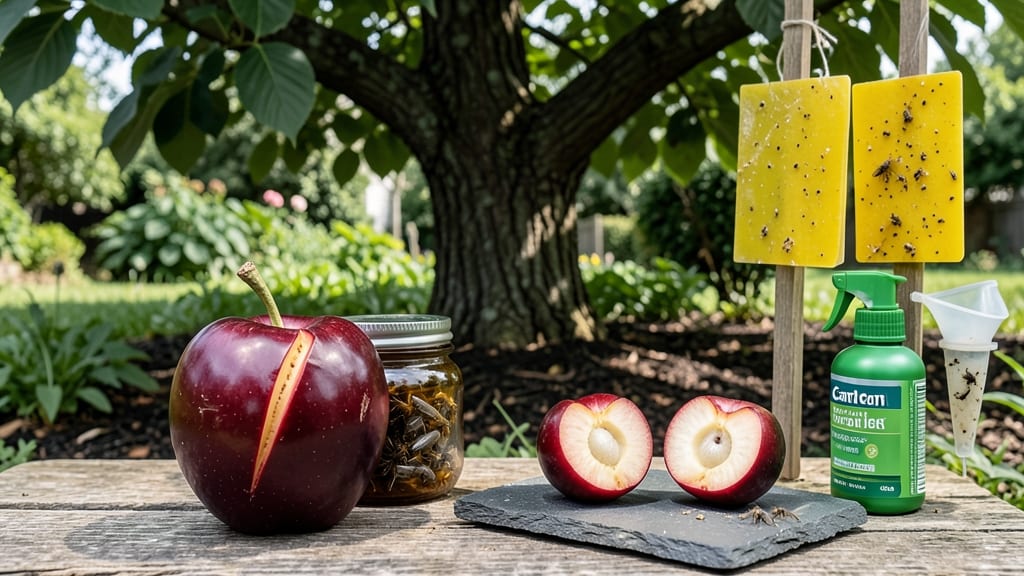
Your cherry tree’s fruit is disappearing before harvest—and those tiny exit holes are the telltale sign of western cherry fruit fly larvae. 🌱 The good news? This organic drill-and-drench method works where sprays fail, saving your crop without chemicals.
I’ve used it for three seasons, and my trees now produce fruit that stays on the branches until I’m ready to pick.
The problem starts when adult flies lay eggs in ripening fruit. Within weeks, larvae burrow inside, turning cherries into mush. Pruning infested branches helps, but the real game-changer is a drill-and-drench treatment—drilling tiny holes in fruit to suffocate larvae and flooding the tree’s roots with beneficial nematodes.
It’s not pretty, but it works.
By mid-summer, you’ll see fewer holes in your fruit and healthier trees. The key is timing: treat when larvae are active (late June to August) and repeat every 2-3 weeks. Even better, this method prevents next year’s infestation by breaking the fly’s life cycle.
Works for cherries, plums, and peaches—just adjust the drill size and nematode dose for your tree’s age. Here’s the step-by-step breakdown to get your fruit back on track.
Root Causes Of Fruit Fly Attacks
The western cherry fruit fly (or Rhagoletis indifferens) doesn’t just randomly attack fruit—it’s drawn to specific conditions that make your trees an all-you-can-eat buffet. Understanding these triggers helps you disrupt their life cycle before they lay eggs in your harvest. Here’s why these pests show up uninvited.
Healthy trees naturally produce compounds that deter pests, but stress weakens these defenses. When trees are nutrient-deficient, water-stressed, or physically damaged, they become prime targets for fruit flies. Here’s how it breaks down:
- Nutrient Imbalance: Trees lacking nitrogen, phosphorus, or potassium struggle to produce bitter tannins and resins that repel flies. A soil test can reveal deficiencies—look for yellowing leaves (nitrogen) or stunted growth (phosphorus).
- Water Stress: Drought or overwatering disrupts a tree’s ability to synthesize protective chemicals. Flies detect stressed trees through volatile organic compounds (VOCs) released into the air—like a neon "eat me" sign. 🚨
- Physical Damage: Cracks in bark, broken branches, or wounds from pruning create entry points for flies to deposit eggs. Even sunburnt fruit (common on exposed branches) emits sugars that attract females.
Actionable Fix: Boost tree health with compost tea, mycorrhizal fungi, and proper irrigation. Prune in late winter to minimize stress, and avoid over-fertilizing, which can attract flies.
Fruit flies are chemically guided by the scent and color of ripe fruit. The western cherry fruit fly specifically targets stone fruits (cherries, plums, peaches) and some soft fruits (apples, pears) when they reach peak ripeness. Here’s the science:
- Ethylene Gas: As fruit ripens, it releases ethylene, a hormone that softens tissue and signals flies to lay eggs. The flies’ antennae detect this gas from up to 2 miles away in ideal conditions.
- Color Contrast: Bright red or yellow fruit stands out against green foliage, triggering visual cues in the flies’ compound eyes. This is why early-ripening varieties are often hit first.
- Sugar Content: Overripe or damaged fruit leaks sugars, creating a protein-rich broth that larvae thrive in. Flies prefer fruit with 12–18% sugar content—think of it as their version of a candy store.
Actionable Fix:
- 🍒 Harvest early: Pick fruit as soon as it’s ripe (but firm) and remove it from the tree immediately.
- 🎯 Use netting: Cover trees with fine mesh (0.6mm or smaller) before flies emerge in spring.
- 🌡️ Monitor temps: Flies are less active below 50°F (10°C)—use row covers in cool climates.
Fruit flies thrive when their natural predators are absent. In balanced orchards, birds, parasitic wasps (Pachycrepoideus vindemmiae), and even ladybugs keep populations in check. But modern farming practices often disrupt this balance:
| Cause | How It Helps Flies | Solution |
|---|---|---|
| Pesticide Overuse | Kills beneficial insects (e.g., syrphid flies, lacewings) that prey on fruit fly larvae. | Switch to organic sprays like kaolin clay or neem oil (applied at dusk to avoid harming predators). |
| Monoculture Plantings | Lacks biodiversity, reducing habitat for predator birds and insects. | Plant companion flowers (e.g., dill, fennel, yarrow) to attract beneficial species. |
| Urbanization | Reduces nesting sites for insectivorous birds (e.g., robins, starlings). | Install birdhouses and native shrubs to support local bird populations. |
Actionable Fix: Create a predator-friendly zone around your orchard with:
- 🐦 Bird baths and perches near trees.
- 🌿 Wildflower strips to attract hoverflies and parasitic wasps.
- ⏳ Avoid tilling in late summer to preserve overwintering predator pupae.
The western cherry fruit fly’s life cycle is tightly linked to temperature. Warm springs accelerate their development, while cool summers can delay but not stop them. Key triggers:
- Spring Warmth (50–70°F / 10–21°C): Adults emerge from overwintering pupae in soil or leaf litter. Females seek out blossoming trees to lay eggs in developing fruit.
- Summer Heat Waves (>85°F / 29°C): Speeds up larval development, leading to multiple generations per year in warm climates (e.g., California, Oregon).
- Fall Cooling (Below 50°F / 10°C): Larvae pupate in soil, entering diapause (a dormant state) until spring.
Actionable Fix:
- 📅 Track degree days: Use a degree day calculator to predict fly emergence (typically 300–500 degree days after bloom).
- 🌬️ Use fans or water sprays: Disrupt flies’ ability to locate trees by creating airflow turbulence during peak activity (early morning).
- 🍂 Rake leaf litter in late fall to remove pupae before winter.
Organic Rescue Tactics for Infested Trees
If your fruit trees are under siege by tiny winged invaders that turn ripe cherries into maggot hotspots, don’t despair—there’s hope! The key is a multi-pronged, organic approach that disrupts their life cycle while protecting your harvest.
Below, we break down cause-specific solutions, from early detection to long-term prevention, using practical, garden-friendly methods.
Problem: You’ve spotted small flies near ripening fruit or tiny larvae inside cherries. Fix: Act fast—these pests multiply quickly!
- 🍒 Inspect & Remove Infested Fruit
- Pick all fallen or infested cherries (even unripe ones) and drop them in a sealed bag in the freezer for 3 days to kill larvae. 🧊
- Do NOT compost them—larvae can survive and reinfest.
- 🕵️♂️ Set Up Monitoring Traps
- Place yellow sticky traps near trees to catch adult flies. Replace weekly. 🎯
- Use commercial protein bait traps (like those for Mediterranean fruit flies) for a more targeted strike.
- 🌿 Apply Kaolin Clay Barrier
- Spritz trees with kaolin clay (like Surround WP) to create a physical barrier that repels flies and confuses their landing cues. Reapply after rain. ✨
Problem: Adult flies are laying eggs, and larvae are burrowing into fruit. Fix: Break their breeding cycle with organic drills and drenches.
🔥 Organic Drill-and-Drench Method (Step-by-Step)
- 🍳 Mix the Solution
- Combine 1 gallon of water with:
- 1 tbsp unscented liquid soap (to help adhesion)
- 1 tbsp horticultural oil (like neem or canola oil)
- 1 tbsp apple cider vinegar (attracts and traps flies)
- 1 tsp diatomaceous earth (optional, for extra grit)
- Combine 1 gallon of water with:
- 👨🍳 Apply to Trees
- Spray thoroughly on leaves, branches, and fruit (especially undersides of leaves where eggs are laid).
- Focus on young fruit and blossom clusters—these are high-risk zones.
- Reapply every 7–10 days or after rain.
- 🌡️ Boost with Fermentation Trap
- Fill a small jar with 1/4 cup apple cider vinegar + 1 tbsp sugar. Cover with plastic wrap, poke holes, and hang near trees. Flies get trapped inside. 🕷️
💡 Pro Tips for Maximum Impact
- 🌿 Time It Right: Start treatments as soon as cherries begin ripening (usually late spring/early summer).
- 🌡️ Heat Shock: On sunny days above 85°F, flies are sluggish—this is the best time to spray.
- 🌱 Beneficial Insects: Introduce parasitic wasps (like Pachycrepoideus vindemmiae)—they naturally prey on fruit fly larvae.
Order online or find local suppliers.
Problem: You want to avoid future infestations and keep your orchard healthy. Fix: Build a defensive orchard ecosystem with these habits.
| Tactic | How to Do It | Why It Works |
|---|---|---|
| 🍃 Sanitation | Remove all fallen fruit and debris from under trees. | Eliminates breeding sites for larvae. |
| 🌿 Netting | Cover trees with fine mesh netting (1mm holes) before flies emerge. | Physically blocks adult flies from laying eggs. |
| 🌱 Companion Planting | Plant garlic, mint, or lavender near fruit trees. | Repels flies with natural scents. |
| 🌱 Soil Health | Apply compost + mycorrhizal fungi to boost tree resilience. | Stronger trees resist pests better. |
| 📅 Timing Harvests | Pick cherries as soon as they ripen—don’t leave them on the tree. | Reduces window for egg-laying. |
- ❌ Avoid chemical pesticides (like malathion) if you want organic certification—they kill beneficial insects too.
- ❌ Don’t ignore small signs—a few flies can turn into a full-blown outbreak in weeks.
- ❌ Skip post-harvest cleanup—even a few missed cherries can hatch next season’s pests.
Final Thought: With consistent monitoring and organic interventions, you can reclaim your cherry harvest—and even enjoy healthier, fly-free fruit year after year. 🍒🌿 The key is speed and persistence—don’t let those tiny invaders win!
Frequently asked questions
What do western cherry fruit fly exit holes look like?
These tiny holes are usually 1/16-inch (1.5mm) wide and perfectly round, often with a small amount of sawdust-like frass (larvae waste) around them. Look for them on the sides of cherries—larvae exit through these holes when mature. Compare them to bird peck marks, which are irregular and larger.
Can I use commercial fruit fly traps near my cherry tree?
Yes, but choose traps specifically for stone fruit flies like the western cherry fruit fly. Protein bait traps (with yeast or apple cider vinegar) work best. Place them 10–15 feet from trees to avoid attracting flies to your orchard. Replace traps every 2–3 weeks for maximum effectiveness.
How do I know if my tree has a western cherry fruit fly infestation?
Watch for three key signs: tiny exit holes in fruit, adult flies hovering near ripening cherries, and larvae visible when you cut open infested fruit. Check fruit regularly starting in late June
Will bird netting work against western cherry fruit flies?
Use fine mesh netting (0.6mm or smaller) to create a physical barrier. Install it before flies emerge in spring and leave it on until harvest. This blocks adult flies from laying eggs while allowing sunlight and rain through. For young trees, use 1mm mesh—it’s more affordable and still effective.
Can I reuse last year's fruit fly traps?
No, never reuse traps from previous seasons. Old traps may contain dormant larvae or eggs that could reinfest your orchard. Always use fresh traps each year, and dispose of old ones in sealed bags. This prevents overwintering pests from surviving and starting a new infestation.