
How To
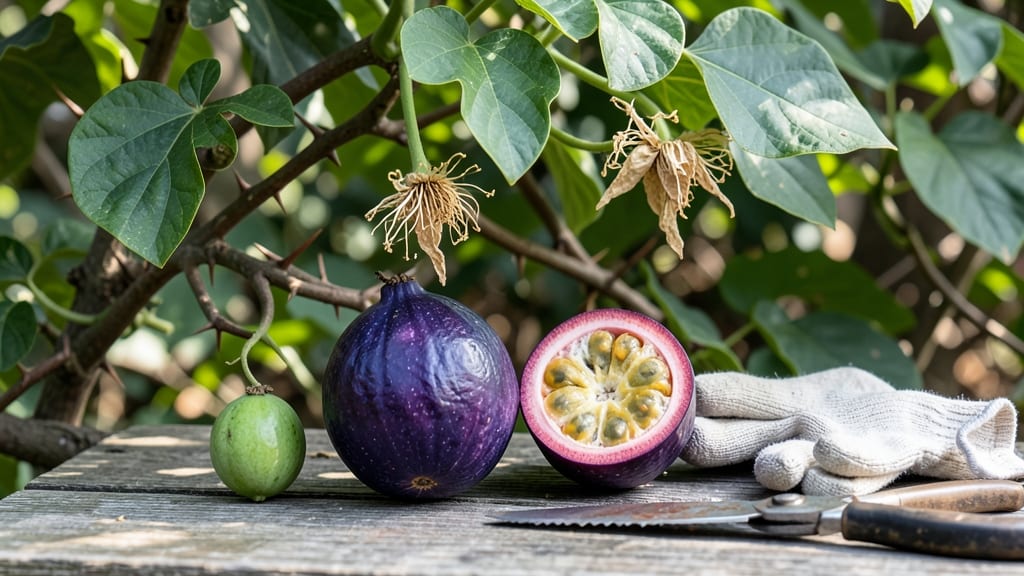
To tell when passion fruit 🍈 is ripe, watch for a deep color shift—yellow turning golden or purple darkening to a rich hue—and a slight give when you press gently.
Picking passion fruit at the perfect moment can mean the difference between a sweet, juicy treat and a bland, mealy disappointment—here’s how to spot ripeness like a pro.
Most gardeners focus on color, but the real clues lie in texture and scent: a ripe passion fruit should smell fragrant and detach easily from the vine with a twist.
Below, I break down the visual, tactile, and scent-based cues that never fail, plus tips for harvesting at peak flavor and storing them to keep that fresh taste.


Visual ripeness indicators: what passion fruit color means
Passion fruit ripeness isn’t just about waiting for a color change—it’s about understanding the nuances of variety-specific hues and avoiding common visual traps.
Purple passion fruit (like Maracujá) and yellow varieties (like Granadilla) follow different ripening timelines, and misjudging their color can lead to underripe or overripe fruit. Let’s break down what to look for and what to avoid.
For yellow passion fruit, ripeness starts with a shift from green to pale yellow, but the real sweet spot is when the skin deepens to a golden-orange hue.
This color change signals peak sugar content, but many gardeners mistake the first pale yellow as ripe—don’t fall for it! The fruit should also feel slightly softer when pressed, not rock-hard or mushy.
Avoid picking yellow passion fruit when it’s still green with yellow patches—this is a classic mistake. The fruit needs 24-48 hours of full color development to reach its optimal flavor. If you’re unsure, wait another day or two; patience pays off with juicier, more aromatic fruit.
Purple passion fruit, like the Maracujá, follows a similar but slightly more dramatic color shift. Start with a deep green skin that gradually turns purple-red as it ripens. The ripe fruit should be fully purple with no green patches—this indicates the seeds and pulp have fully developed.
A common error is picking fruit that’s half-purple, half-green; this stage is still underripe and often bland.
Hybrid varieties, like orange passion fruit, blend traits of both types. Their ripeness is signaled by a bright orange color, but the texture and scent tests (which we’ll cover later) are just as critical.
These hybrids often ripen faster than traditional varieties, so check them daily in peak season to avoid missing the window.
Color isn’t the only factor—lighting conditions can trick you. Passion fruit grown in shade may never develop their full color, while those in direct sunlight ripen faster. If your fruit isn’t changing color, it might need more sun exposure or a nutrient boost to encourage ripening.
| Variety | Ripe Color | Unripe Color | Key Ripeness Cues | Common Mistake |
|---|---|---|---|---|
| Yellow Passion Fruit | Golden-orange | Green to pale yellow | Soft when pressed, slight give | Picking at pale yellow stage |
| Purple Passion Fruit (Maracujá) | Deep purple-red | Green to partial purple | Fully purple, easy detachment | Picking half-purple fruit |
| Orange Passion Fruit (Hybrid) | Bright orange | Green to light orange | Aromatic scent, soft texture | Ignoring scent for color |
| All Varieties | Deep, uniform color | Patchy or dull color | Detaches easily from vine | Overlooking texture/scent |
If your passion fruit is fully colored but still firm to the touch, it may need 1-2 more days on the vine. Conversely, if it’s soft and wrinkled, it’s overripe and best used immediately.
The detachment test is your best friend: a ripe passion fruit should twist off the vine with minimal force, while an unripe one will resist.
Pro tip: Harvest in the morning when temperatures are cooler. This preserves the fruit’s freshness longer and makes it easier to judge ripeness without the heat of the day affecting its appearance.
Store ripe passion fruit in the fridge for up to 5 days—but eat it sooner for the best flavor!
Remember, color alone isn’t enough. Combine these visual cues with the scent and texture tests (which we’ll cover next) to ensure you’re picking passion fruit at its peak. With practice, you’ll develop an eye for ripeness that’ll make your harvests consistently delicious.
Scent and texture tests: the secret signs of perfect ripeness
Beyond just checking the color, your senses can reveal whether passion fruit is truly ripe. A ripe passion fruit emits a sweet, floral aroma—almost like a mix of citrus and tropical blossoms.
If you sniff the fruit and detect no scent at all, it’s likely underripe. Overripe fruit may smell slightly fermented, with a sharp, sour note instead of the expected sweetness.
Texture is another key clue. Gently press the fruit with your thumb—ripe passion fruit should yield slightly to pressure but not feel mushy or squishy. Think of it like pressing a ripe avocado: firm enough to hold its shape, but with a subtle give.
If the fruit feels hard, it’s not ready yet. If it’s too soft or leaves an indentation, it’s overripe and past its prime.
Just because your passion fruit looks ripe doesn’t mean it is. Some fruits may develop deep color but remain hard and tasteless due to uneven ripening. Always combine color, scent, and texture checks for accuracy. If the fruit doesn’t detach easily from the vine, it’s likely still maturing—give it another 2-3 days before checking again.
For yellow passion fruit, the scent should be bright and citrusy, while purple varieties often have a darker, berry-like fragrance. If you’re unsure, slice one open: ripe passion fruit will have juicy, translucent pulp with vibrant seeds.
Underripe fruit is pale and mealy, while overripe fruit may appear dry or fermented.
Pro tip: Harvest in the morning when temperatures are cooler. This helps preserve the fruit’s natural sugars and prevents overripening during transport. Store ripe passion fruit in the fridge for up to 5 days—but eat it sooner for the best flavor!
If your passion fruit still tastes bland even after passing all tests, it might be suffering from nutrient deficiency or poor pollination. In this case, check your plant’s fertilizer levels and ensure bees or manual pollination are happening regularly.
With these scent and texture tricks, you’ll never miss the perfect passion fruit again—just imagine slicing into a fruit that’s bursting with flavor instead of disappointment. Happy harvesting!