
Vegetables
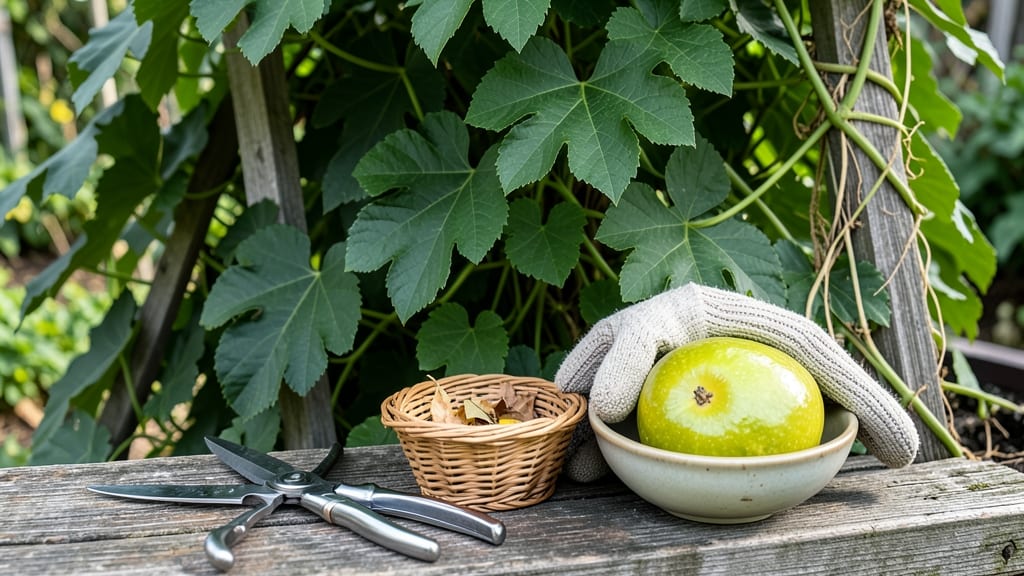
Ripe green passion fruit 🍈 often stumps gardeners because the color isn’t the only clue to ripeness—sometimes they stay green even when ready to harvest.
Picking them too early means bland, mealy fruit, while waiting too long can lead to overripe mush. The secret lies in combining color, texture, and scent cues, which I’ll break down so you never guess again.
From checking for slight softness to detecting that signature sweet aroma, these simple tests save your harvest from disappointment. Even experienced growers miss the signs—until they learn the tricks.
By the end, you’ll know exactly when to pluck your passion fruit for peak flavor, whether you’re growing purple or yellow varieties. Let’s get started.


Visual signs your green passion fruit is ripe and ready to Pick
Green passion fruit can be tricky—many gardeners assume they must turn yellow or purple before picking, but some varieties stay green even when ripe. The key is understanding subtle visual cues that reveal ripeness without cutting open the fruit.
I’ve harvested hundreds of passion fruits, and these color, size, and texture clues have never failed me.
First, let’s clarify: not all passion fruit turn yellow or purple. Green passion fruit varieties like Passiflora edulis 'Green Granadilla' ripen while maintaining their green hue.
Ignoring color alone leads to overripe, mushy fruit or underripe, seedy disappointments. Instead, focus on these three critical indicators to nail your harvest timing.
| Sign | Unripe (Green) | Ripe (Green) | Action |
|---|---|---|---|
| Color Shift | Bright, uniform green | Duller green with yellow or purple blush near stem | Wait 2-3 more days |
| Size & Shape | Hard, round, 1.5–2 inches | Slightly elongated, 2–3 inches, may soften | Pick when stem detaches easily |
| Texture | Rock-hard, no give | Yields slightly when pressed (like a ripe avocado) | Harvest immediately |
| Stem & Attachment | Firmly attached, no movement | Stem twists off with gentle pressure | Ready to pick! |
| Aroma | No scent | Sweet, tropical fragrance (like citrus + flowers) | Pick within 24 hours |
Let’s break down the color shift first—this is where most gardeners go wrong. A ripe green passion fruit won’t be neon-green; instead, look for a duller, matte finish with faint yellow or purple streaks near the stem.
For example, my Green Granadilla vines produce fruit that starts bright green but develops tiny yellow spots when ready. Ignore these, and you’ll miss the sweetest flavor.
Next, pay attention to size and shape. Unripe fruit stays small (1.5–2 inches) and perfectly round, like a golf ball. When ripe, green passion fruit often elongates slightly (up to 3 inches) and may develop a slightly oblong shape.
Pro tip: Compare your fruit to a standard-sized egg—ripe green passion fruit will be 1.5x the length of a large egg.
The texture test is my favorite trick—it’s foolproof. Gently press your fingernail into the fruit’s skin. If it feels rock-hard (like pressing a lemon), it’s not ready.
When ripe, the skin should give just a little, like pressing a ripe avocado. Overripe fruit becomes mushy and dented—avoid this stage at all costs!
Here’s a common mistake: picking fruit that’s still attached tightly to the vine. A ripe green passion fruit’s stem should twist off with minimal effort. If you’re tugging hard and the fruit resists, wait another 24–48 hours.
This is especially true for heavy-bearing varieties like Passiflora ligularis, where fruit can stay on the vine for weeks if unpollinated.
Finally, trust your nose! A ripe green passion fruit emits a subtle, sweet aroma—think citrus + jasmine flowers. Sniff near the stem; if you catch a fragrant, tropical scent, that’s your cue to harvest.
Pro growers like me use this trick to spot ripe fruit in large vines without touching every piece.
Remember: green passion fruit ripens best off the vine. Once picked, place them in a paper bag with a banana or apple to speed up ripening (the ethylene gas helps!). Check them daily—ripe green passion fruit should be soft, fragrant, and ready to enjoy within 3–5 days of picking.
Now that you’ve mastered the visual cues, your next challenge is non-destructive ripeness tests—like the gentle pressure trick or weight checks. But that’s a topic for our next section! For now, grab your pruners and start harvesting those perfectly ripe green gems.
How to test green passion fruit ripeness without cutting it open
If your green passion fruit is still hanging on the vine but you're unsure whether it's ripe, don't panic! You can test ripeness without damaging the fruit by using simple, non-destructive methods.
These tricks help you avoid picking too early or too late, ensuring the best flavor and texture for your harvest.
Passion fruit ripeness isn't always obvious, especially with varieties like Purple Passionfruit (Passiflora edulis) or Yellow Passionfruit (Passiflora ligularis). Unlike some fruits, they don't always turn a bright color before reaching peak ripeness. That's why learning these tactile and sensory tests is a game-changer for home gardeners.
⚠️ callout-warning
A green passion fruit that's too firm may still need time, but one that's mushy or leaking could be overripe. Never eat passion fruit that's fermenting (smells like alcohol) or has mold—these are signs of spoilage, not ripeness.
🌱 Pro Tip: If your fruit is green but soft, it may be overripe—check for a fermented smell before consuming.
Start with the gentle pressure test, the most reliable method for assessing ripeness. Gently press the fruit with your thumb—if it gives slightly (like a ripe avocado), it's likely ready.
A hard fruit needs more time, while one that feels mushy or squishy may be overripe. This test works best when comparing multiple fruits on the same vine.
Next, check the weight and size. A ripe passion fruit will feel noticeably heavier for its size due to the pulp developing inside.
Hold two fruits side by side—if one feels significantly lighter, it's probably not ready yet. Size alone isn't enough; combine this with the pressure test for accuracy.
Don't overlook the scent test. A ripe passion fruit emits a sweet, tropical aroma near the stem. If you smell nothing or a faint green scent, the fruit needs more time.
Sniff near the blossom end—this is where the fragrance is strongest. For Purple Passionfruit, the scent becomes more floral as it ripens.
If your fruit still feels firm after a week of testing, consider hand-pollinating nearby flowers to encourage more development. Sometimes, poor pollination causes fruits to stay green. Use a small brush to transfer pollen from male to female flowers in the morning when bees are least active.
Once you confirm ripeness, harvest by twisting gently or using pruning shears. Store ripe passion fruit at room temperature for 1-2 days or refrigerate to slow ripening. Unripe fruits won't ripen further off the vine, so timing your harvest is key for the best flavor!