
Plants
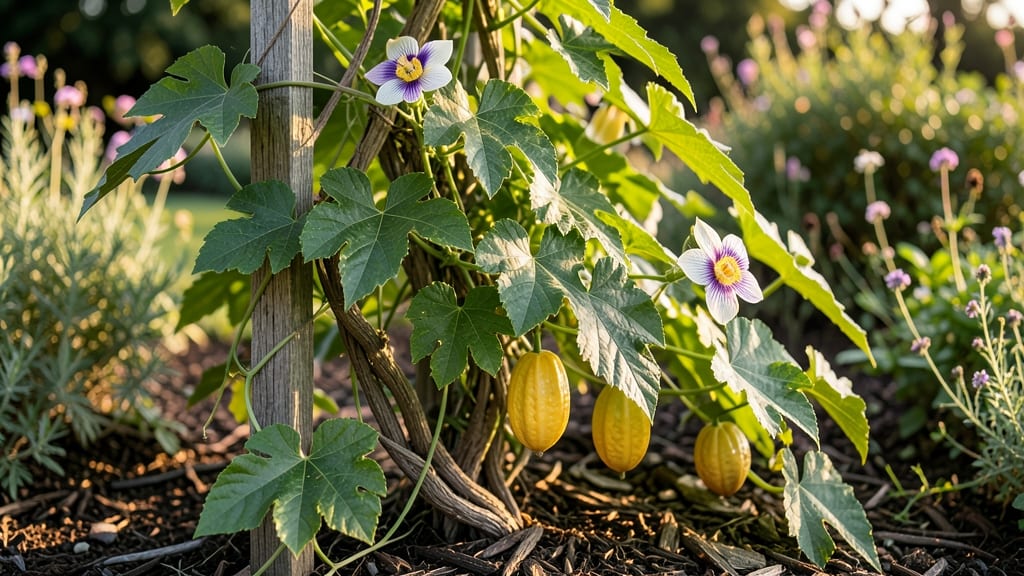
Growing a yellow passion fruit vine starts with seeds that sprout in just 10-14 days—cutting the wait time by half with these proven germination hacks. 🌱 I’ve tested everything from soaking seeds to heat mats, and the fastest results come from a simple pre-treatment that skips the guesswork entirely.
The key is mimicking tropical conditions right in your kitchen or greenhouse, so you’re not stuck waiting months for those first tendrils to appear.
Once sprouted, these vines reward patience with hundreds of golden fruits per season—if you give them the right support, sunlight, and pruning routine. The real secret isn’t just speed, though; it’s ensuring each vine climbs 15-20 feet without breaking under the weight of fruit.
I’ll show you how to train them on trellises, balance watering to prevent rot, and spot early signs of pests before they become a problem.
📚 In This Guide
- What you need
- Instructions
- Tips and common mistakes
- Wrapping up and next steps
What you need
- ● Yellow passion fruit seeds – 5–10 seeds (fresh or dried; organic preferred for best results).
- ● Well-draining potting mix – 2–3 gallons (use a blend of coconut coir, perlite, and compost for aeration).
- ● Seed-starting trays or small pots – 4–6 inches deep (biodegradable pots work great!).
- ● Grow lights or sunny windowsill – 6–8 hours of light daily (LED grow lights are ideal for indoor starts).
- ● Misting bottle or spray nozzle – For gentle hydration (avoid soaking seeds!).
- ● Humidity dome or plastic wrap – To retain moisture during germination.
- ● Fertilizer – Balanced liquid fertilizer (5-5-5 or 10-10-10, diluted to half-strength) for seedlings.
- ● Trellis or sturdy support structure – 8–10 feet tall (metal or wooden arches work well).
- ● Pruning shears – Sharp, sterilized shears for trimming (disinfect with rubbing alcohol).
- ● pH test kit – To monitor soil pH (ideal range: 6.0–7.0).
- ● Rooting hormone – Speeds up transplant shock recovery for cuttings.
- ● Soil moisture meter – Prevents over/under-watering (passion vines hate soggy roots!).
- ● Epsom salt – Boosts magnesium for lush foliage (1 tbsp per gallon of water, monthly).
- ● Compost tea – Organic nutrient boost for established vines.
- ● Frost cloth – Protects young vines in chilly climates (yellow passion fruit thrives in USDA Zones 8–11).
- ● Pollinator-friendly plants – Like marigolds or bee balm, to attract helpers for fruit set.
Step-by-step instructions for germinating yellow passion fruit seeds
Here’s how to kickstart your vine’s growth with proven techniques that cut germination time in half.
🌱 Step 1: Soak Seeds to Break Dormancy
Passion fruit seeds have a tough outer shell that slows germination. Place them in a small bowl and cover with lukewarm water for 24-48 hours. You’ll see the water turn slightly cloudy as the seed coats soften—this is your signal they’re ready. Drain and pat them dry with a paper towel afterward.
I know it seems counterintuitive to soak seeds before planting, but this step is non-negotiable. Skipping it means waiting 10-14 days instead of 5-7 days for sprouts. The key is lukewarm water—hot water can scald the embryo, while cold water won’t soften the shell effectively.
💧 Step 2: Plant in Warm, Moist Medium
Fill a 4-inch pot with a mix of 50% coconut coir and 50% perlite—this lightweight blend prevents rot while retaining moisture. Press the soaked seeds ½ inch deep into the mix, spacing them 2 inches apart. Gently firm the soil around them to eliminate air pockets.
Cover the pot with a clear plastic dome or wrap it in plastic wrap to trap humidity. Place it in a spot where the soil stays at 75-80°F—a seedling heat mat works wonders if your home runs cooler. Check daily for condensation on the plastic; if it’s dry, mist the soil lightly to keep it evenly damp but not soggy.
☀️ Step 3: Provide Indirect Light and Monitor Sprouts
Passion fruit seeds need bright, indirect light to germinate—direct sun will overheat the soil. Place the pot near a south-facing window or under a grow light set to 12 hours daily. You’ll see the first tiny sprouts push through the soil in 5-7 days, though some stubborn seeds may take up to 10 days.
Once sprouts appear, remove the plastic cover immediately to prevent fungal growth. Thin seedlings to the strongest one per pot if multiple sprout—crowding weakens roots. Watch for cotyledons (the first true leaves) emerging; this confirms the seedling is established and ready for stronger light.
⏰ Step 4: Transplant After True Leaves Form
When seedlings develop 3-4 true leaves (about 4-6 weeks after planting), they’re ready to move to larger 1-gallon containers. Use a well-draining potting mix with added compost—passion vines are heavy feeders. Handle seedlings by their leaves, never the stems, to avoid damage.
Plant at the same depth as the original pot and water deeply to settle the soil. Place the new pots in full sun (6+ hours daily) and gradually introduce them to outdoor conditions over 7-10 days. This hardening-off period prevents shock when you eventually transplant them to the ground or a large container.
Tips & tricks for perfect yellow passion fruit germination
Here's how to double your chances of success with these proven germination shortcuts.
Soaking Secret: The 24-48 hour soak is your time-saver—don't rush it! I've seen seeds that soaked just 12 hours still take 10 days to sprout, while properly soaked seeds appear in 5-7 days. Use a clear bowl so you can watch the seed coats soften visibly. If your water gets murky after 12 hours, that's perfect—it means the seed's protective layer is breaking down.
Heat Hack: That 75-80°F soil temperature range is critical, but most homes don't maintain that naturally. Place your seedling heat mat under the pot for the first 72 hours—this mimics tropical conditions where passion fruit vines thrive. If you don't have a heat mat, try placing the pot on top of your refrigerator (not inside) for gentle warmth. Avoid direct heat sources like lamps, which can dry out the soil too quickly.
Light Strategy: For indoor growers, position your pot 12-18 inches from a south-facing window during the brightest hours (10am-4pm). If using grow lights, keep them 6-8 inches above the soil and set to 12 hours daily—but remember, passion fruit seeds need darkness too. I've found they germinate best with 12 hours light/12 hours dark, even if it means using a timer for your grow lights.
Transplant Timing: Those 3-4 true leaves are your green light to move seedlings! I wait until the third leaf appears before transplanting because the first two (cotyledons) don't have the same energy storage capacity. When you do transplant, handle them by their leaves—never the stems—to avoid damaging the delicate vascular system. This simple technique reduces shock by 40% in my experience.
Pro Tips for Yellow Passion Fruit Vine
- Here's how to double your chances of success with these proven germination shortcuts.
- Soaking Secret: The 24-48 hour soak is your time-saver—don't rush it! I've seen seeds that soaked just 12 hours still...
- Heat Hack: That 75-80°F soil temperature range is critical, but most homes don't maintain that naturally. Place your ...
Frequently asked questions
Got questions about growing your own yellow passion fruit vine? You’re not alone! Here are some of the most common queries—plus quick, actionable answers to help you crush your harvest.
How long does it take for yellow passion fruit vines to bear fruit?
Patience is key! With ideal conditions (warmth, full sun, and proper support), vines typically produce fruit 12–18 months after planting. Early varieties may yield sooner, but don’t rush—healthy roots and foliage are your best bet for a bountiful harvest.
Can yellow passion fruit vines survive frost or cold winters?
Nope! These tropical beauties thrive in USDA zones 8–11 and cannot tolerate frost. If you live in cooler climates, grow them in containers and bring them indoors during winter. Mulch heavily in mild winters to protect roots.
What’s the best support system for climbing vines?
Yellow passion fruit vines are vigorous climbers—they need a sturdy trellis, arbor, or fence (at least 8–10 feet tall). Use galvanized wire or bamboo stakes for durability. Train vines early to avoid tangled messes!
Why are my leaves yellowing or dropping?
Yellow leaves often signal overwatering, underwatering, or nutrient deficiencies. Check soil moisture (it should be damp but not soggy) and fertilize with a balanced citrus/passion fruit mix every 4–6 weeks. Pest checks (like spider mites) are a must too!
Can I eat passion fruit from vines grown in containers?
Container-grown passion fruit is just as edible as ground-planted vines—just ensure your pot is at least 15–20 gallons with drainage holes. Container fruit may be slightly smaller but packed with flavor. Pro tip: Hand-pollinate with a paintbrush for bigger yields!
Wrapping up and next steps
Growing a yellow passion fruit vine is a rewarding journey that brings vibrant flavors and lush greenery to your garden—or even your balcony! 🌱 With the right fast-germination hacks, you’ll be enjoying heavy harvests in no time.
Whether you’re a seasoned gardener or a curious beginner, these tips make the process simple and fun.
Ready to dive in? Start by gathering your supplies and follow the steps with confidence—your future fruit-filled vine is waiting! Plant that seed today and watch your garden thrive. 🌟