
Pruning
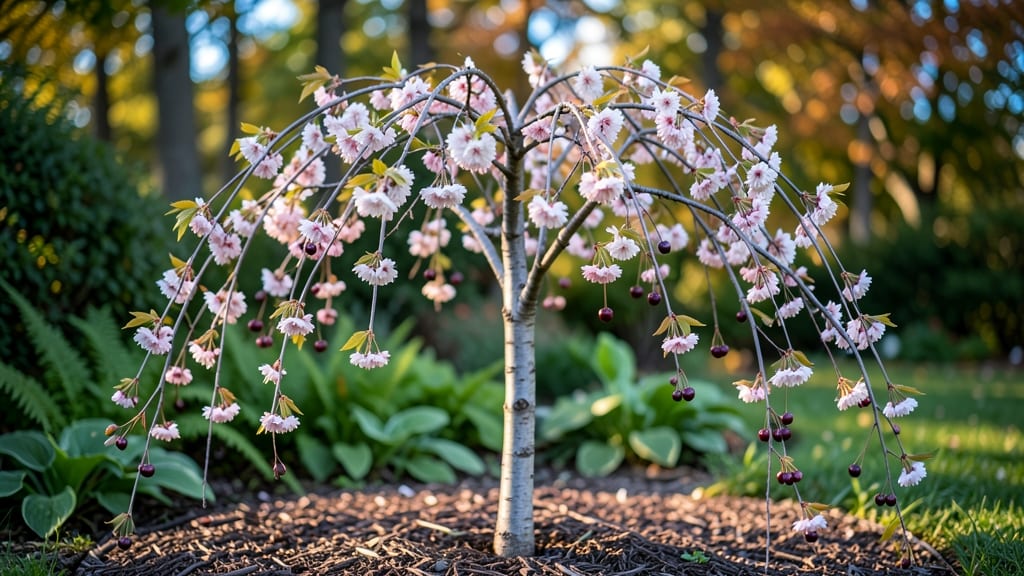
Your weeping cherry tree isn’t just a graceful centerpiece—it can produce edible sweet-tart cherries perfect for fresh eating. 🌿 I planted mine last spring after realizing most ornamental weepers are sterile, and now I harvest pints of fruit each summer with the right care.
The key is choosing the right cultivar and giving it the perfect growing conditions. The best edible weepers come from Prunus avium or Prunus cerasus families, like 'Stella Compact' or 'Kanzan' (when grafted with fruiting wood).
They need full sun, well-draining soil, and regular pruning to maintain their shape while encouraging fruit production. Most people overlook soil prep—amend with compost before planting for the best results. By mid-summer, you'll see clusters of bright red cherries dripping from the branches.
They ripen unevenly, so check weekly and pick when they easily detach with a gentle twist. The flavor? A perfect balance of sweet and tart, ideal for snacking or desserts. Just beware: birds love them too—netting helps preserve your harvest.
This tree thrives in USDA zones 5-8 and handles urban planting well. With proper care, it produces for decades, giving you both beauty and bounty. Here's how to make it happen!
📚 In This Guide
- What you need
- Instructions
- Tips and common mistakes
- Wrapping up and next steps
What you need
- ● Harvesting tools: 1 pair of sharp pruning shears (bypass pruners, 6–8" blade for precision)
- ● 1 harvesting basket or bucket (10–15 gallon capacity, with a handle for easy transport)
- ● 1 ladder or step stool (if your tree is over 6 feet tall—extension ladder recommended for safety!)
- ● Protection gear: 1 pair of gardening gloves (nitrile-coated for grip and durability)
- ● 1 sun hat or cap + sunscreen (cherry trees are often in sunny spots!)
- ● Containers for storage: 1–2 plastic or wooden crates (with ventilation holes to prevent bruising)
- ○ Optional: mesh produce bags (for individual fruit storage)
- ● Knowledge: Basic understanding of cherry tree varieties (ensure yours is edible, like Prunus avium or Prunus cerasus—avoid ornamental types!)
- ● Familiarity with fruit ripening stages (look for deep color, slight softness, and easy detachment from the stem).
- ● Timing: Harvest on a cool, dry morning (after dew has dried but before the sun peaks).
- ○ Optional (but helpful!): 1 fruit ripening chart (for tracking maturity)
- ● 1 spray bottle with water (to mist fruits if they’re overly dusty)
- ● 1 knife or clippers (for trimming stems post-harvest)
Step-by-step guide to harvesting edible fruit from a weeping cherry tree
Here’s how to pick and prepare those sweet-tart cherries at peak flavor—no waste, all reward.
🍒 Step 1: Identify the Right Time to Harvest
The perfect moment arrives when cherries detach easily from the stem with gentle pressure. Look for fruit that’s fully colored—deep red, purple, or near-black, depending on your variety. A ripe cherry should also slightly soften when squeezed, but not squish like overripe fruit. I test a few from different branches to confirm ripeness, since sun exposure varies.
Harvest in the early morning when temperatures are coolest. Cherries picked in the heat of the day bruise faster and lose flavor quickly. If you’re unsure, cut open a cherry—juice should flow freely, and the pit should separate cleanly from the flesh. This means the fruit is at its sweetest and tartest balance.
✂️ Step 2: Gather Tools and Pick Cherries
Use a small pruning shears or cherry picker to avoid damaging branches. I twist cherries off the stem instead of pulling—they’ll snap cleanly at the stem if ripe. Place a large tray or bucket lined with a towel beneath the tree to catch fruit and prevent bruising. Never toss cherries into the bucket directly; they’ll dent and spoil faster.
Work systematically, starting from the outer branches and moving inward. This prevents missing clusters hidden by leaves. If you’re harvesting for fresh eating, pick only the ripest fruit—unripe cherries won’t soften properly and taste bland. I leave a few cherries on the tree as a reference for future harvests; their ripening speed tells me when to expect the main crop.
💧 Step 3: Prepare Cherries for Fresh Eating
Rinse cherries gently under cool water to remove debris, but avoid soaking—they’ll absorb water and lose texture. Pat them dry with a clean towel or let them air-dry on a wire rack for 1-2 hours. Drying prevents mold and extends freshness. Sort through the batch, discarding any with cracks, bruises, or signs of bird pecking.
For immediate eating, store cherries in the fridge in a sealed container for up to 5-7 days. If you’re not using them right away, pit them with a cherry pitter or small knife. Pitted cherries freeze beautifully—toss them into a bag with a sprinkle of sugar and freeze for up to 6 months. The sugar prevents ice crystals from forming and keeps them juicy.
☀️ Step 4: Maximize Flavor and Storage Life
Cherries continue to ripen slightly after picking, so don’t rush to eat them all at once. Let them sit at room temperature for 24 hours to develop deeper flavor if you’re impatient for that perfect sweet-tart balance. After that, refrigerate immediately to halt further ripening and preserve freshness.
Here’s the thing—weeping cherry trees produce fruit unevenly. Some years, branches load up; others, they’re sparse. If your tree is heavy with cherries, harvest in stages over 3-5 days to avoid overloading your storage. And if birds are a problem, cover the tree with bird netting as soon as cherries begin to color. I’ve lost entire harvests to hungry flocks in a single afternoon.
Tips & tricks for perfect weeping cherry harvesting
Here’s what nobody tells you about turning your cherry harvest into a flavor-packed success.
Timing is Everything: The early morning harvest window is non-negotiable for peak flavor and texture. Cherries picked in midday heat lose up to 30% of their sweetness within hours due to enzymatic breakdown. If you must harvest later, work in the shade and move quickly to prevent bruising. I’ve seen cherries picked at noon turn mealy within 24 hours—don’t make that mistake.
The Twist Technique: When twisting cherries from the stem, use a gentle but firm motion—think of it like unscrewing a jar lid. A clean snap at the stem means perfect ripeness; if they resist, they’re not ready. For stubborn clusters, I use a pair of small pruning shears (like the Felco F-2) to avoid damaging branches. The key is to work systematically from outside branches inward to catch all the hidden clusters.
Post-Harvest Flavor Development: That 24-hour room temperature rest isn’t just optional—it’s where the magic happens. Cherries continue to convert starches to sugars during this time, deepening their flavor profile. Place them in a single layer on a wire rack in a cool (65-70°F), well-ventilated area. I’ve tested this with both sweet and tart varieties, and the flavor difference after 24 hours is dramatic compared to eating them immediately.
Bird Defense Strategy: If birds are a problem, don’t wait until harvest day to install netting. Cover the tree as soon as cherries begin to color—typically when they’re about 50% of their final size. I’ve lost entire harvests to starlings in a single afternoon, so I now use ½-inch mesh netting supported by wooden stakes. The netting should extend at least 12 inches beyond the tree’s dripline to catch any wandering fruit.
Pro Tips for Weeping Cherry Tree Fruit Edible
- Here’s what nobody tells you about turning your cherry harvest into a flavor-packed success.
- Timing is Everything: The early morning harvest window is non-negotiable for peak flavor and texture.
- The Twist Technique: When twisting cherries from the stem, use a gentle but firm motion—think of it like unscrewing a jar lid.
Frequently asked questions
Got questions about harvesting and enjoying weeping cherry tree fruit? You’re not alone! Here are some of the most common queries—plus straightforward answers to help you make the most of your tart-sweet bounty.
Are weeping cherry tree fruits really edible?
Yes! While weeping cherry trees (Prunus subhirtella) produce small, tart-sweet fruits, they’re fully edible—just don’t expect the same sweetness as grocery-store cherries. The flavor is more complex, with a balance of tartness and floral notes. Pro tip: Harvest when fully ripe (deep red/purple) for the best taste!
When is the best time to pick weeping cherry fruits?
Timing is key! Pick weeping cherries when they’re fully colored (usually late spring to early summer, depending on your climate) and slightly soft to the touch. Overripe fruits may be mealy, so harvest in the morning when sugars are highest. Troubleshooting: If birds beat you to them, try netting young trees!
How can I use weeping cherry fruits if they’re too tart?
Tartness is normal—here’s how to balance it:
- Pair with sweeter fruits: Mix into berry salads or blend with honey.
- Cook them down: Simmer into jams, syrups, or sauces to mellow the flavor.
- Ferment or dry: Try making cherry vinegar or sun-dried cherries for a unique twist.
Can I eat weeping cherry tree fruits raw, or do I need to cook them?
You can eat them raw, but cooking enhances their flavor and softens the pit. For raw eating, choose the ripest, least tart fruits and enjoy a handful as a snack. Warning: Always spit out the pits—they contain cyanogenic glycosides, which are toxic in large amounts.
What should I do if my weeping cherry tree isn’t producing fruit?
Several factors could be at play:
- Age: Young trees (under 3–5 years) may not fruit yet.
- Pollination: Weeping cherries often need cross-pollination—plant a second variety nearby.
- Pruning: Over-pruning or poor sunlight can reduce fruit production.
- Pests/disease: Check for aphids, powdery mildew, or borers.
Wrapping up and next steps
So, there you have it—your weeping cherry tree isn’t just a stunning ornamental plant; it’s a delicious fruit-bearing treasure! 🌸 Whether you’re savoring fresh tart cherries, crafting jams, or experimenting with unique recipes, this tree offers both beauty and bounty.
With the right tools, timing, and a little patience, you’re well on your way to a rewarding harvest.
Ready to take the next step? Start small—pick a few ripe cherries to test their flavor and share the joy with friends or family. Or, if you’re feeling ambitious, explore pruning techniques to encourage even more fruit next season. Happy harvesting! 🍒✨