
Plants
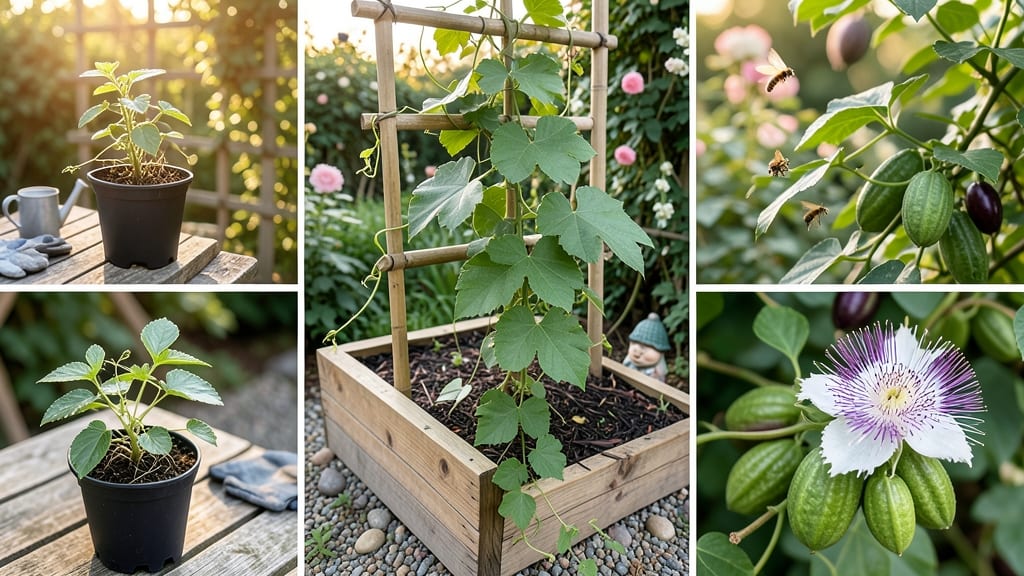
Growing passion fruit 🍈 through its stages of growth is like nurturing a tropical treasure—each phase demands a different touch, from patient germination to a vine heavy with exotic fruit.
Imagine planting a tiny seed in winter, only to watch it spiral into a 30-foot vine by summer, its leaves shimmering in the sun.
But without knowing what to expect at each step, even the most eager gardener can miss the mark—whether it’s overwatering young shoots or failing to support the vine as it stretches toward the sky.
This guide breaks down the month-by-month journey of passion fruit growth, from the first sprout to harvest-ready fruit, so you can anticipate needs, spot trouble early, and enjoy a bountiful yield in zones 9-11.
You’ll learn when to prune for airflow, how to recognize healthy flowers, and the exact signs your fruit is ready to pick—no guesswork, just a roadmap to success.


Month-by-month breakdown of passion fruit growth stages
Growing passion fruit from seed to harvest is a journey filled with rapid vine growth, delicate flowering phases, and the ultimate reward of exotic fruit production. Each month brings distinct challenges and care requirements.
In USDA Zones 9-11, the timeline typically spans 12-18 months from seed to fruit, but cooler climates may extend this to 24 months. Understanding these stages helps you prepare for trellising needs, fertilization shifts, and pest monitoring at the right times.
Passion fruit vines are fast-growing perennials that demand patience during early stages but reward gardeners with vibrant flowers and high-yield fruit once established. The first 6 months focus on root development and vine establishment, while months 7-12 prioritize flowering support and fruit set protection.
Below, we break down each critical phase with climate-specific tips to ensure your vine thrives year-round.
| Stage | Timeframe | Key Actions | Climate Needs |
|---|---|---|---|
| Seed Germination | Month 1 | Sow seeds in warm soil (75-85°F), keep moist, provide humidity dome | Tropical warmth, no frost |
| Seedling Growth | Months 2-3 | Transplant to 5-gallon pots, provide trellis support, use balanced fertilizer | Full sun, 60-70°F nights |
| Vine Establishment | Months 4-6 | Train vines, prune leggy growth, increase phosphorus fertilizer | Warm days, consistent water |
| First Flowering | Months 7-8 | Hand-pollinate flowers, protect from wind, monitor for fruit set | Hot, humid conditions |
| Fruit Development | Months 9-12 | Thin fruits to 6-8 per vine, reduce nitrogen, watch for pests | Warm, dry season preferred |
| Harvest & Dormancy | Months 13-18 | Harvest ripe fruit, prune back vines, reduce watering in cool months | Mild temps, low humidity |
During the first 3 months, your passion fruit seeds will germinate into delicate seedlings that need gentle handling. I recommend starting seeds indoors in biodegradable pots filled with a mix of peat moss and perlite to ensure optimal drainage.
Maintain soil temperatures between 75-85°F using a seedling heat mat if your climate dips below this range. Once sprouts appear—usually within 14-21 days—move them to a sunny windowsill or under grow lights for 12-14 hours daily.
By month 4, your vines will begin their rapid growth phase, reaching 10-15 feet if given proper support. This is when trellising becomes critical. Install a strong trellis or arbor (at least 8 feet tall) to guide vertical growth and prevent vine breakage from heavy fruit.
In cooler climates, extend the growing season by planting in large containers that can be moved indoors during winter frosts. Use a slow-release fertilizer with 10-10-10 NPK ratio to support root and vine development.
The
Key care requirements at each passion fruit growth stage
Passion fruit vines demand precise care at every stage to thrive. During the seedling phase (weeks 1-4), focus on gentle watering and humidity control—overwatering causes root rot while dry soil stunts growth. I use a spray bottle to mist soil lightly, keeping it moist but not soggy.
A clear plastic dome or plastic bag over the seedling tray creates the humid microclimate they crave in early development.
As your vine enters the vegetative growth stage (months 2-4), it’s time to train the vines and boost nutrient intake. I install a trellis system early to guide rapid growth upward, preventing tangled vines.
This stage is also when I introduce balanced fertilizer (10-10-10) every 4-6 weeks to support leafy growth. The key here is consistent moisture—deep watering every 2-3 days ensures roots expand without stress.
🌱
⚠️ Common Mistakes That Stunt Passion Fruit Growth
- Over-pruning young vines removes too much foliage, reducing photosynthesis and slowing growth.
- Skipping trellis support leads to sprawling vines that break under fruit weight or attract pests.
- Using high-nitrogen fertilizer during flowering/fruiting stages causes leafy growth at the expense of fruit production.
- Ignoring pest signs early allows spider mites or aphids to multiply, weakening the vine before it can fruit.
Pro Tip: Prune only 1/3 of the vine at a time, and always after flowering to avoid sacrificing potential fruit.
When your passion fruit vine reaches the flowering stage (months 4-6), shift your focus to phosphorus-rich fertilizer (5-10-15 NPK) to encourage bloom production. I apply this every 4 weeks and hand-pollinate flowers in the morning using a soft brush to transfer pollen.
During this phase, reduce watering slightly—overly wet conditions can cause flower drop. Watch for buds turning brown, a sign of stress from inconsistent care.
The fruiting stage (months 6-12) requires balanced care to prevent fruit drop. I increase watering to daily deep soaks during hot spells and add potassium-rich fertilizer to strengthen fruit development.
Prune only dead or overcrowded growth, leaving healthy vines to support the heavy fruit load. A light mulch layer helps retain moisture while keeping roots cool.
As your vine matures, pest control becomes critical. I inspect leaves weekly for spider mites or mealybugs, treating infestations immediately with neem oil or insecticidal soap.
During harvest season, thin overcrowded fruit to ensure remaining fruits reach full size. The goal is to balance vine energy between new growth and existing fruit.
🍈