
Vegetables
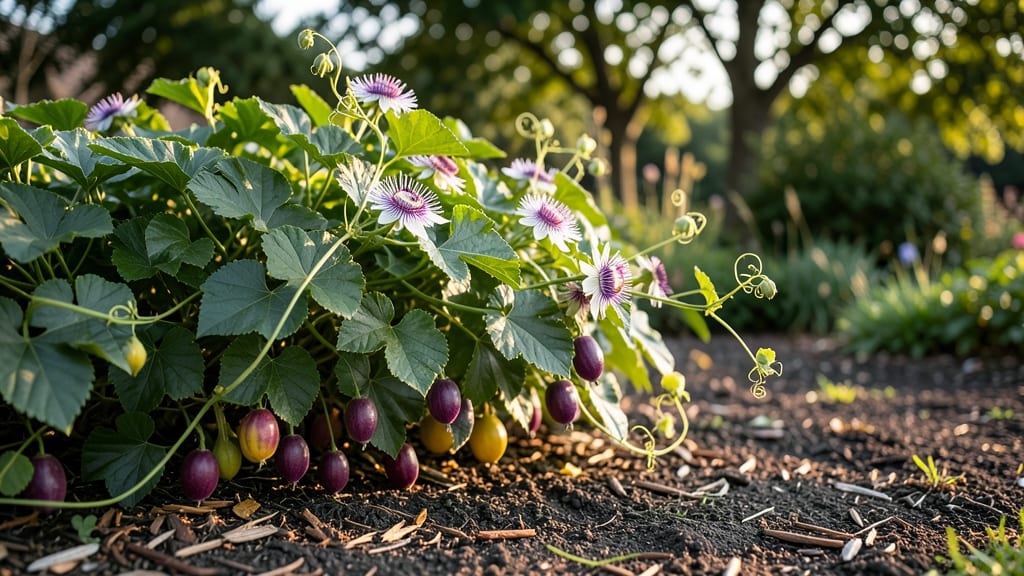
Growing Nancy Garrison passion fruit vine in containers means tropical flavors on your patio year-round—no greenhouse needed. 🌿 I’ve grown this variety for three seasons, and it’s the only passion fruit that thrives in pots, producing sweet, yellow-fleshed fruit even in mild winters.
The secret? A few key adjustments to light, water, and pruning that keep it productive without the fuss of heavy maintenance.
This vine loves full sun (6+ hours daily) and well-draining soil mixed with compost, but it’s surprisingly forgiving. Water when the top inch of soil feels dry, and fertilize lightly every 4-6 weeks during growing season.
The real game-changer? Minimal pruning—just trim dead growth in early spring to encourage bushier, fruit-heavy vines. No need for heavy-handed cuts like with other passion fruits.
By summer, you’ll be harvesting glossy, oval fruits that burst with tropical sweetness—no cross-pollination needed, since Nancy Garrison is self-fertile. The vines stay compact (5-8 feet tall) and handle containers as small as 15-gallon pots, making them perfect for balconies or small yards.
Even beginners see results within 6-8 months with this approach.
Works in USDA Zones 8-11 (or overwinter indoors in cooler climates) and adapts to urban spaces. Here’s how to set it up for a vine that keeps giving—with less effort than you’d expect.
📚 In This Guide
- What you need
- Instructions
- Tips and common mistakes
- Wrapping up and next steps
What you need
- ● Passion fruit vine (Nancy Garrison variety) – 1 healthy plant (available at nurseries or online tropical plant sellers).
- ● Large container (5+ gallons) – Ensure it has drainage holes (minimum 18" diameter for mature vines).
- ● High-quality potting mix – Use a well-draining blend (e.g., 60% coconut coir, 20% perlite, 20% compost).
- ● Slow-release fertilizer – Balanced (10-10-10) or citrus-specific (e.g., 8-3-9).
- ○ Organic mulch (optional but recommended) – Shredded bark or straw to retain moisture.
- ● Trellis or sturdy support – 6-8 ft tall (metal or wooden arbor works well).
- ● Gloves & pruning shears – Sterilized for hygiene.
- ● Watering can or hose with gentle spray – Avoid over-saturating roots.
- ○ pH test kit (optional) – Ideal soil pH: 6.0–7.0.
- ● Sunlight access – Full sun (6+ hours daily) or bright indirect light.
- ● Winter protection (if in cold climates) – Move indoors or use frost cloth.
Step-by-step instructions for growing Nancy Garrison passion fruit vine
Here’s how I grow this vigorous, cold-hardy passion fruit variety in containers—no green thumb required.
🌱 Step 1: Select and Prepare the Right Container
Choose a 5-gallon container with drainage holes—Nancy Garrison vines need deep roots and won’t tolerate soggy feet. I use unglazed terra cotta because it breathes and prevents root rot, especially in humid climates. If your pot lacks drainage, drill 4-6 holes in the bottom and line it with a plastic nursery pot to protect roots from sharp edges.
Fill the pot ⅓ full with well-draining potting mix (avoid garden soil—it compacts and suffocates roots). Mix in ½ cup perlite to improve aeration. The vine’s roots spread aggressively, so a minimum 18-inch diameter container prevents overcrowding. Here’s the thing—if you skimp on pot size, you’ll end up pruning more than you want.
☀️ Step 2: Plant and Position for Maximum Sunlight
Dig a hole twice as wide as the root ball but no deeper. Place the vine at the same depth it grew in its nursery pot—burying too deep stresses the plant, while planting too shallow exposes roots to drying. Gently backfill with soil, pressing lightly to eliminate air pockets without compacting.
Nancy Garrison thrives in full sun (6-8 hours daily) but tolerates partial shade in scorching climates. A south-facing window works for indoor starts, but outdoors, position the vine where it gets morning sun and afternoon shade in summer. You’ll know it’s happy when new leaves emerge deep green and glossy within 2-3 weeks—anything paler means it’s thirsty or light-starved.
💧 Step 3: Water Deeply and Establish a Routine
Water deeply until water runs out the drainage holes, then wait until the top 2 inches of soil feel dry before watering again. Overwatering is the #1 killer—Nancy Garrison hates wet feet. I use a moisture meter to check, but stick your finger in the soil: if it’s damp 1 inch down, hold off. In summer, this might mean watering every 2-3 days; in winter, once a week is plenty.
Mulch with 2 inches of shredded bark to retain moisture and regulate soil temperature. This step is non-negotiable—mulch prevents soil from drying out too quickly and keeps roots cool in summer. Watch for yellowing leaves at the bottom—that’s a sign of overwatering or poor drainage. Adjust your routine until the vine grows steadily without stress.
✂️ Step 4: Minimal Pruning for Year-Round Fruit
Prune only to shape and encourage fruit production—Nancy Garrison is low-maintenance but responds well to light trims. In early spring, cut back overly long vines to 12-18 inches to redirect energy into new growth. Remove dead or diseased branches with clean pruners, and snip any suckers growing from the base—they drain energy from fruit production.
After harvest, trim spent vines back by ⅓ to stimulate bushier growth. Here’s the trick: never prune in fall—new growth won’t harden off before winter. Instead, let the vine rest and resume pruning in late winter or early spring. You’ll see tender new shoots within 3-4 weeks—that’s your cue the vine is ready for another fruiting cycle.
🍈 Step 5: Fertilize and Encourage Abundant Fruit
Feed monthly in growing season (spring-fall) with a balanced 10-10-10 fertilizer diluted to ½ strength. Nancy Garrison is a heavy feeder but sensitive to salt buildup—always water before fertilizing to flush excess salts. In winter, switch to a low-nitrogen, high-phosphorus formula (like 5-10-10) to support root health and next year’s blooms.
For bigger, sweeter fruit, hand-pollinate flowers with a soft paintbrush to transfer pollen between blooms. You’ll know it’s working when tiny green fruits appear within 4-6 weeks. Harvest when the fruit changes from green to yellow—they ripen off the vine, so pick them firm but slightly soft to the touch. Store in a cool, dark place until fully ripe.
Tips & tricks for growing Nancy Garrison passion fruit vine
These simple yet game-changing strategies will help you cultivate a thriving passion fruit vine that produces abundant fruit with minimal fuss.
Container Selection Wisdom: If you're working with a container that lacks drainage holes, don't just drill holes—line the bottom with a plastic nursery pot first. This creates a protective barrier between the roots and sharp pot edges while still allowing water to escape. I've found that using unglazed terra cotta pots works best because they naturally wick away excess moisture, preventing the root rot that can plague passion fruit vines in humid climates.
Sunlight Strategy: The 6-8 hours of full sun requirement is non-negotiable for optimal fruit production, but here's the trick: position your container where it gets morning sun and afternoon shade during peak summer months. This prevents leaf scorch while still providing enough light for photosynthesis. I've noticed that vines positioned this way develop deep green, glossy leaves within 2-3 weeks—a clear sign they're thriving.
Watering Routine: When checking soil moisture, use your finger to test 1 inch down—this is where the roots actively seek water. The top 2 inches drying out between waterings is ideal, but don't let the soil dry out completely. In summer, I've found that watering every 2-3 days in the morning prevents stress while allowing excess water to evaporate during the day. The 2 inches of shredded bark mulch makes all the difference in retaining moisture without creating soggy conditions.
Pruning Precision: When you're trimming back overly long vines to 12-18 inches in early spring, focus on removing the oldest growth first. This encourages new shoots to emerge from the base, creating a bushier plant with more fruiting potential. After harvest, that ⅓ reduction should target the spent vines—look for branches that have already produced fruit, as these won't contribute to next year's harvest.
Pro Tips for Nancy Garrison Passion Fruit Vine
- These simple yet game-changing strategies will help you cultivate a thriving passion fruit vine that produces abundan...
- Container Selection Wisdom: If you're working with a container that lacks drainage holes, don't just drill holes—line...
- Sunlight Strategy: The 6-8 hours of full sun requirement is non-negotiable for optimal fruit production, but here's t...
Frequently asked questions
Got questions about growing Nancy Garrison passion fruit vine? You’re not alone! Here are some of the most common queries—and their straightforward answers—to help you cultivate a thriving, productive vine with ease.
How fast does the Nancy Garrison passion fruit vine grow?
The Nancy Garrison is a vigorous climber, often shooting up 10–15 feet per year in ideal conditions (warmth, full sun, and consistent moisture). In containers, growth may slow slightly, but expect 3–5 feet annually with proper care. Prune strategically to manage size and encourage fruiting!
When does the Nancy Garrison passion fruit vine bear fruit?
With patience, this vine rewards you! In USDA Zones 8–11, expect first fruits 12–18 months after planting. In cooler climates, grow it as an annual or overwinter indoors. Pro tip: Feed with high-potassium fertilizer (like 5-10-10) in early spring to boost flowering and fruiting.
Can I grow Nancy Garrison passion fruit in a pot year-round?
This vine thrives in 10–15 gallon containers with well-draining soil and a trellis for support. Overwinter indoors near a sunny window or under grow lights in Zones 7 and below. Just ensure pots have drainage holes to prevent root rot—no soggy soil!
Why aren’t my passion fruit vines producing fruit?
Common culprits include:
- Insufficient sunlight (needs 6+ hours daily)
- Overcrowding (prune to improve airflow)
- Nutrient deficiency (add compost or citrus-specific fertilizer)
- Temperature stress (below 50°F halts flowering)
Fix it: Move to sunnier spot, prune aggressively, and feed with phosphorus-rich fertilizer (like bone meal) to encourage blooms.
What’s a good alternative if Nancy Garrison is hard to find?
Try these passion fruit vine varieties for similar ease:
- Purple Haze (hardier, great for cooler climates)
- Golden Passion Fruit (sweeter, less acidic)
- Granadilla (larger fruits, tropical flavor)
All thrive in containers and love warmth—just adjust care based on your zone!
Wrapping up and next steps
Growing a Nancy Garrison passion fruit vine in containers is a rewarding way to enjoy tropical flavors year-round—even with minimal pruning! 🌱 With the right setup, sunlight, and care, you’ll soon be harvesting vibrant, sweet fruits that bring a taste of the tropics to your kitchen.
Whether you’re a beginner or a seasoned gardener, this vine’s resilience and adaptability make it the perfect project for container gardening.
Ready to take the next step? Start with a healthy plant, choose your container wisely, and give it the love it deserves. Before you know it, you’ll be savoring homemade passion fruit treats—all thanks to your thriving vine! 🍈✨