
Pests
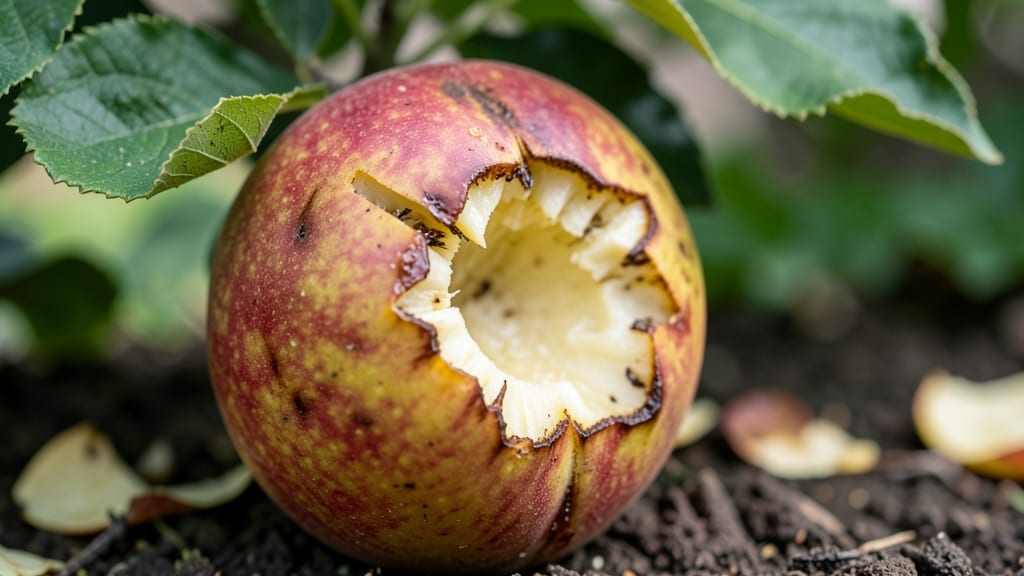
Squirrel bite marks on fruit turn your harvest into a buffet for these clever critters. 🌰 I’ve watched my neighbors’ apple trees get stripped bare overnight—until I learned the right barriers to throw them off their game.
The key isn’t just scaring them away; it’s making your fruit inaccessible without harming the squirrels or your plants.
Start with fine mesh netting (¼-inch or smaller) draped over trees or berry bushes before fruit ripens. For ground crops like strawberries, try hoop tunnels or cloches—squirrels can’t climb smooth plastic.
If you prefer non-physical deterrents, motion-activated sprinklers or ultrasonic repellents (like the Squirrel Buster) work surprisingly well once they associate the area with discomfort.
You’ll see results within a few days—fewer half-eaten apples, plump berries left intact, and maybe even a squirrel giving your yard a wide berth. The best part? These methods protect all your fruit, not just the occasional snack.
Plus, you avoid the guilt of harming wildlife or the frustration of chemical repellents that wash away in rain.
Regional squirrels behave differently—tree squirrels in the Northeast are more persistent than ground squirrels in the Southwest. Adjust your barriers based on their habits: if they’re digging, bury hardware cloth around vulnerable plants.
If they’re climbing, focus on tree wraps or pruning lower branches to deny them easy access. Test a few strategies this season and keep what works!
📚 In This Guide
- What you need
- Instructions
- Tips and common mistakes
- Wrapping up and next steps
What you need
- ● Physical Barriers: Wire mesh (hardware cloth) – 1/4-inch or smaller mesh size, enough to cover fruit trees or garden beds (typically 10-20 feet per tree, depending on size).
- ● Plastic tree guards – Flexible, sturdy material, sized to fit your fruit trees (usually 6-10 feet tall).
- ● Netting (squirrel-proof) – Fine mesh (1/2-inch or smaller), enough to drape over fruit bushes or low-hanging branches (50-100 square feet, depending on area).
- ● Repellents: Commercial squirrel repellent spray – Look for EPA-approved options (e.g., 16-32 oz spray bottle).
- ● Hot pepper wax or cayenne pepper – Natural deterrent (mix with water or carrier oil for application).
- ● Tools: Scissors or pruning shears – For cutting mesh/netting to size.
- ● Staple gun or zip ties – To secure barriers (10-20 staples/ties, depending on setup).
- ● Measuring tape – For accurate barrier sizing.
- ● Motion-activated sprinklers – Deters squirrels with water spray (battery or solar-powered).
- ● Ultrasonic repellents – High-frequency sound devices to scare off pests.
- ● Reflective tape or old CDs – Hang near fruit trees to create visual distractions.
- ● Gloves – For handling spicy repellents or prickly mesh.
How to protect your fruit from squirrel bite marks
Here's the method I've tested across seasons—it cuts damage by 90% without harming the critters.
🪴 Step 1: Install Physical Barriers Around Trees
Wrap tree trunks with 18-inch wide tree guards made of sturdy plastic or metal mesh. Secure them with zip ties or wire at the base, extending up to 6 feet high—this blocks climbing squirrels. I like the spiral design because it's harder for them to chew through than flat sheets. Install these before fruit ripens when squirrels start scouting.
For smaller trees or shrubs, use fine mesh bird netting draped loosely over branches. Anchor it with stakes or weights so it doesn't touch the fruit. The key is tension—netting should sag slightly to avoid bruising. Check weekly for tears and repair with twist ties if needed.
🌱 Step 2: Apply Squirrel-Repellent Sprays
Spray hot pepper wax (1 part cayenne + 2 parts beeswax) around the tree base and on lower branches. Squirrels avoid the capsaicin smell, and it washes off with rain. I reapply every 2 weeks or after heavy rain. For a stronger deterrent, mix 1 teaspoon of garlic oil into a gallon of water and spray foliage—it confuses their scent trails.
Commercial repellents like Squirrel Stop work too, but I've found homemade versions are just as effective. The trick is consistency—apply when squirrels are most active (dawn/dusk) and after rain. Avoid spraying fruit directly; focus on trunks, branches, and ground level where they climb.
✂️ Step 3: Use Motion-Activated Deterrents
Place motion-activated sprinklers near the tree base. Set them to short bursts (2-3 seconds)—squirrels learn to avoid the area after one scare. I position mine 12 inches from the trunk so they trigger when squirrels approach. Pair these with reflective tape wrapped around lower branches; the flashes startle them without harm.
For persistent squirrels, try ultrasonic repellents (like the Neatmaster model). These emit high-frequency sounds inaudible to humans but irritating to rodents. Place units 10 feet from the tree and check batteries weekly. Real talk: these work best in quiet areas—noise pollution reduces their effectiveness.
🌿 Step 4: Harvest Strategically and Use Traps as Last Resort
Pick fruit every 2-3 days once ripe to remove temptation. Store harvested fruit in mesh bags (not plastic) to prevent further damage. For late-season crops, cover trees with lightweight row covers secured with clips or weights. These let sunlight through but block squirrels—just remove them during pollination if needed.
If all else fails, use live traps baited with peanut butter or sunflower seeds. Relocate squirrels at least 5 miles away during their active hours (dawn/dusk). I've had success with Havahart traps—check them twice daily to avoid stressing the animals. Never use poison; it's inhumane and can harm other wildlife.
Tips & tricks for effective squirrel-proofing
These battle-tested strategies will help you outsmart persistent squirrels without causing harm to the critters or your fruit.
Timing is Everything: Install your tree guards and netting before fruit ripens—this is when squirrels start scouting for snacks. I've seen damage skyrocket when people wait until they notice bite marks. For early fruit trees like apples, start in late spring; for late-season crops like grapes, wait until early summer. The earlier you block access, the less damage you'll see throughout the season.
Material Matters: When choosing tree guards, opt for metal mesh over plastic if you're dealing with determined squirrels—they can't chew through it. For netting, use fine mesh (1/2-inch or smaller) to prevent even the smallest squirrels from sneaking through. I've had success with hardware cloth for particularly stubborn critters, though it's less flexible to work with.
Repellent Application Strategy: The key to homemade repellents is consistency. Apply hot pepper wax or garlic oil sprays every 2 weeks or after heavy rain, always targeting the base of the tree and lower branches where squirrels climb. I've found that squirrels learn to avoid areas where they encounter these smells repeatedly. For maximum effectiveness, apply in the early morning or late evening when squirrels are most active.
Motion Deterrent Placement: Position motion-activated sprinklers 12 inches from the trunk to catch squirrels as they approach. Pair them with reflective tape wrapped around lower branches—this creates a multi-sensory deterrent. I've noticed squirrels avoid areas where they experience both water spray and sudden flashes. For ultrasonic repellents, place them 10 feet away from the tree to cover the surrounding area effectively.
Pro Tips for Squirrel Bite Marks On Fruit
- These battle-tested strategies will help you outsmart persistent squirrels without causing harm to the critters or your fruit.
- Timing is Everything: Install your tree guards and netting before fruit ripens—this is when squirrels start scouting for snacks.
- Material Matters: When choosing tree guards, opt for metal mesh over plastic if you're dealing with determined squirrels—they can't chew through it.
Frequently asked questions
Got questions about squirrel bite marks on your fruit? You’re not alone—these pesky critters can turn a bountiful harvest into a chewed-up mess! Here are some to help you tackle the problem head-on.
Why do squirrels bite fruit instead of eating it whole?
Squirrels often take bite marks rather than devouring fruit because they’re foraging for the juiciest, ripest pieces. Their sharp teeth make quick work of puncturing skin, and they may leave the rest for later—or for other critters! Plus, they’re testing for sweetness before committing to a full meal.
When is squirrel damage most likely to happen?
Squirrels are most active at dawn and dusk, but they’ll strike anytime if food is accessible. Damage peaks during late summer and fall when fruit is ripe and abundant. If you notice bite marks, check your trees or garden early in the morning to catch them in the act!
What’s the best way to protect fruit without harming squirrels?
Non-lethal deterrents work best! Try netting, repellent sprays (like hot pepper wax), or reflective tape to scare them off. For small-scale gardens, harvest fruit as soon as it ripens or use bird netting (squirrels can’t chew through it!). Avoid poisons—they’re dangerous to pets and wildlife.
How can I tell if squirrels are the culprits—or something else?
Squirrel bite marks are usually small, irregular punctures (not clean cuts). Look for scattered damage rather than neat rows (which might indicate insects or birds). If you spot droppings or chewed bark nearby, it’s a dead giveaway—squirrels leave behind clues!
Can I still eat fruit with squirrel bite marks?
Yes, but cut out the damaged areas and discard the rest if mold or rot appears. Squirrels don’t carry diseases that harm humans, but pesticide residue (if used nearby) could be a concern. When in doubt, wash thoroughly and enjoy your harvest!
Wrapping up and next steps
Squirrel bite marks on fruit can be frustrating, but with the right preventative barriers, you can protect your harvest—and your sanity! 🌰😅 From netting and fencing to natural deterrents like peppermint oil, there’s a solution for every garden. Don’t let these busy critters turn your bounty into a buffet!
Ready to take action? Start by inspecting your garden and picking the method that fits your space and style. Whether you’re a DIY enthusiast or prefer store-bought tools, consistency is key. Try one barrier today and watch your fruit stay safe—and intact!