
Plants
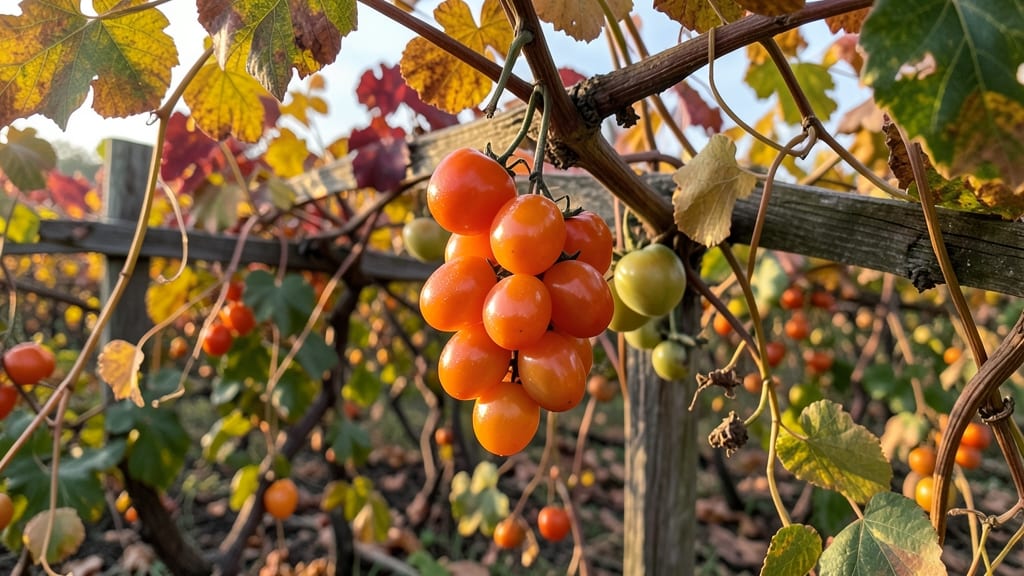
Gardeners who love grapes will adore these 10 lesser-known vining fruits that mimic their shape, color, and even growing habits. Perfect for expanding your vineyard with unique, visually stunning, and often easier-to-grow alternatives.
Kiwano Horned Melon Clusters
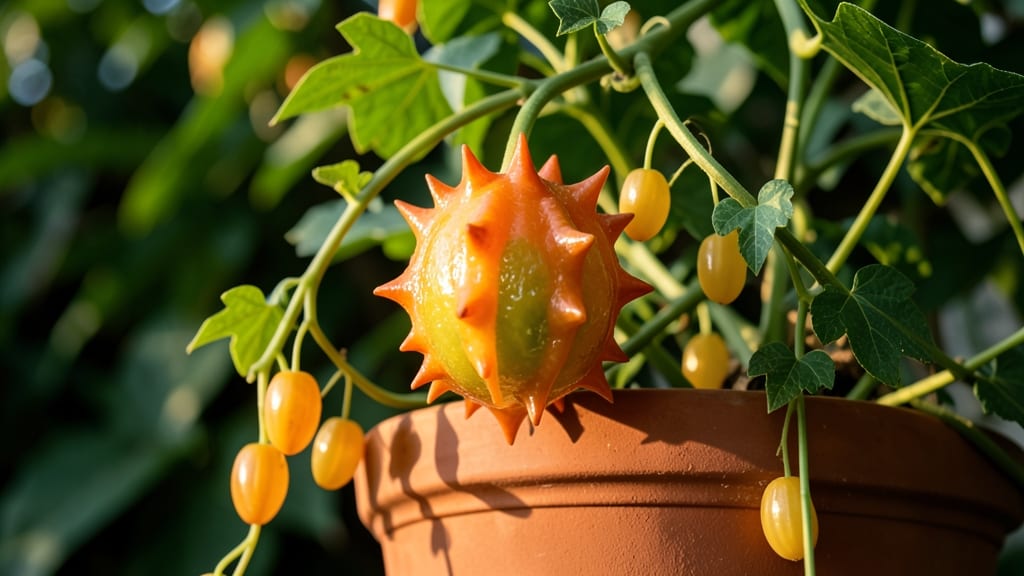
If you crave the drama of a tropical garden but live in a temperate zone, the kiwano horned melon delivers with its grape-like clusters and spiky orange fruit that look like something out of a fantasy novel. This African native thrives in warm climates but can be grown in containers and brought indoors during winter, making it perfect for adventurous gardeners.
Plant kiwano vines in well-draining soil with full sun to partial shade, and provide a trellis or fence for support—they can climb up to 10 feet! The edible flowers are a bonus, offering a mild cucumber flavor, while the fruit inside tastes like a tangy mix of banana and lime. Harvest when the skin turns bright orange and feels firm, then slice open to reveal the jelly-like pulp and seeds.
This plant is ideal for gardeners who love visual intrigue and dual-purpose vines—great for small spaces, containers, or as a conversation starter in mixed borders. 🌟
Passion Fruit Vines
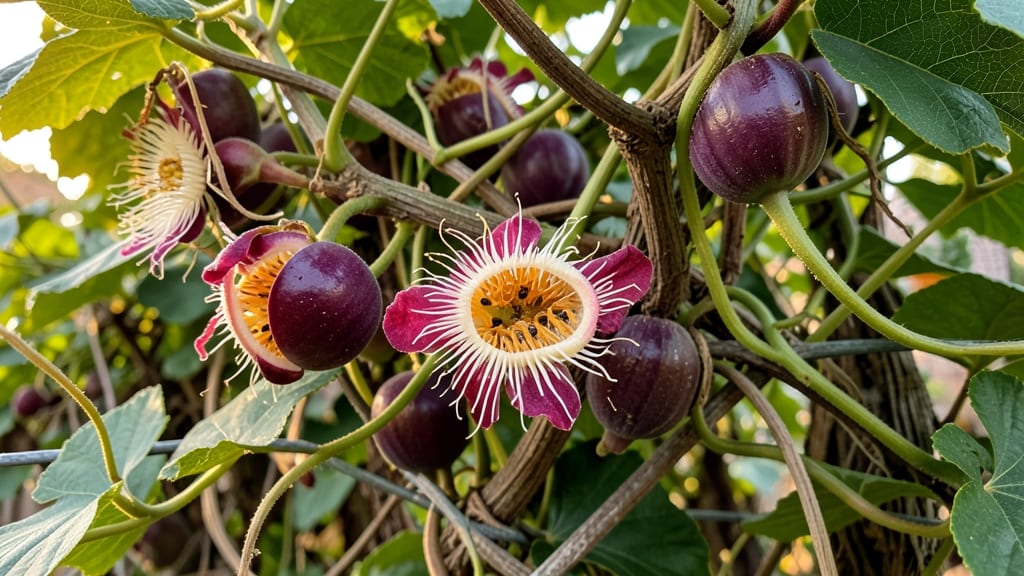
If you crave grapes but want something with a tropical twist, passion fruit vines deliver the same grape-like clusters with a bonus: fragrant, intricate flowers and sweet, tangy pulp. These vigorous climbers produce grape-sized fruits in vibrant purple or yellow hues, perfect for small gardens where vertical space is at a premium.
Plant them in well-draining soil with 6-8 hours of sun and provide a sturdy trellis or fence for support—they can grow 15-20 feet in a single season. Passion fruit thrives in USDA zones 8-11 but can be grown in containers and overwintered indoors in cooler climates. The high yield means you’ll harvest dozens of fruits per vine, making them ideal for juices, desserts, or fresh eating.
Urban gardeners and small-space growers will love how these vines transform walls or pergolas into lush, fruiting canopies. Plus, the butterfly-attracting flowers add extra beauty before the fruit even ripens. 🌟
Muscadine Grape Varieties
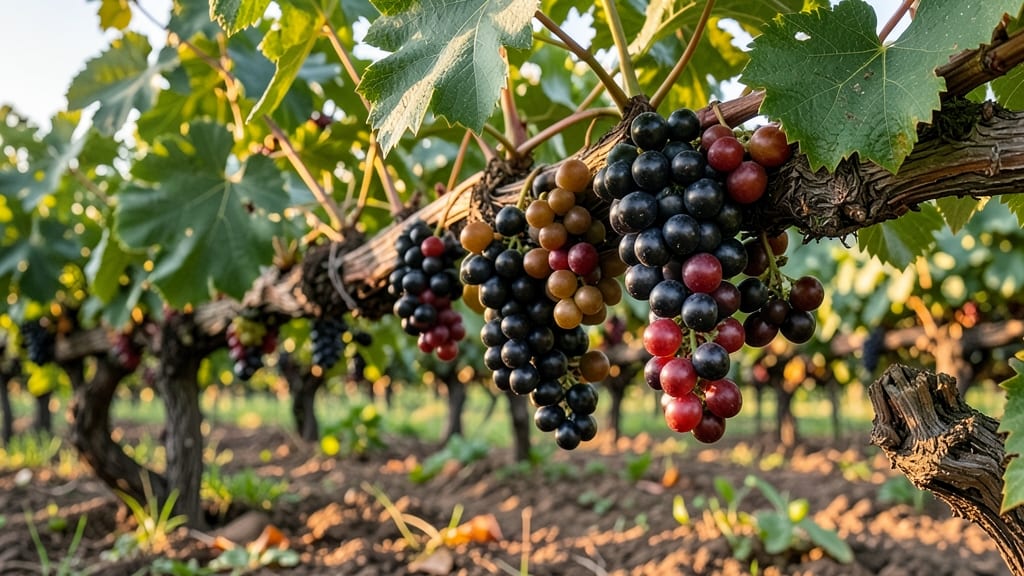
If you’re a Southern gardener craving grapes without the fuss of delicate vines, muscadine grapes are your answer. These native American varieties thrive in heat and humidity, producing thick-skinned fruit that resists pests and diseases—no fungicides required.
Choose from black, bronze, or red varieties like 'Scuppernong' or 'Carlos,' all of which grow in full sun with minimal care. Their grape-like clusters ripen in late summer, offering a sweet-tart flavor perfect for jams, juices, or fresh eating. Prune vines lightly in winter to encourage robust growth and fruit production.
Best for gardeners who want low-maintenance vines with a Southern twist, muscadines add beauty and bounty without the high upkeep of other grape varieties. 🌱
Custard Apple Vine
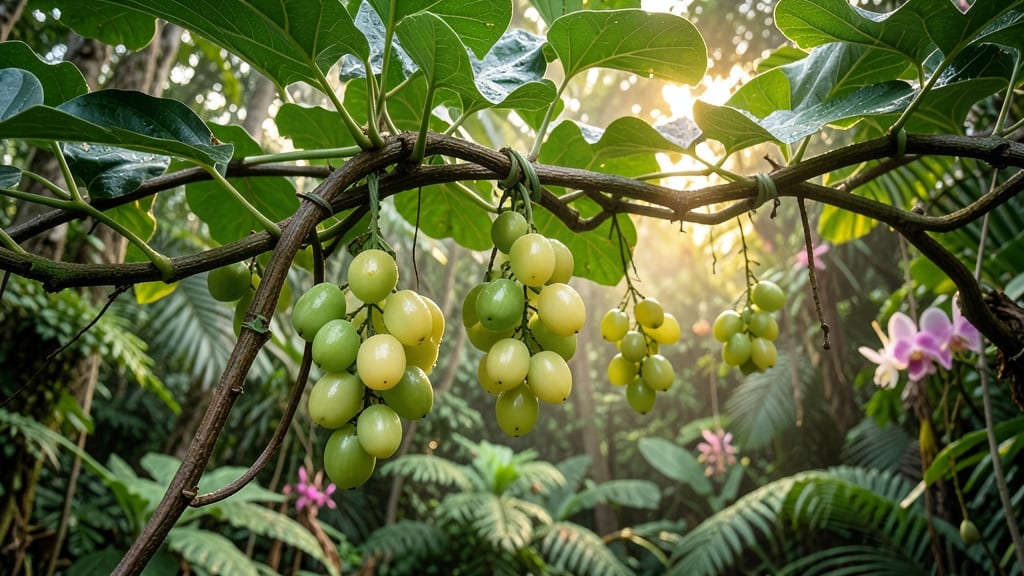
If you crave a tropical twist on grape-like fruits, the custard apple vine delivers clusters of grape-sized gems with a creamy, custardy interior—think of a cross between a grape and a sweet, edible dessert. This fast-growing vine thrives in humid climates and doubles as a living shade provider, making it a powerhouse for gardeners who want both beauty and bounty.
Native to Central and South America, custard apple vines (Annona squamosa) produce yellow-green fruit that ripens to a soft, custard-like texture when fully mature. Plant in well-draining soil with partial shade (morning sun, afternoon shade) to prevent fruit scorching. The vines can grow 10–15 feet but are easily pruned to control size. Harvest when the fruit yields slightly to touch—its sweet, tangy flavor pairs perfectly with tropical smoothies or fresh fruit salads.
Perfect for gardeners in USDA Zones 10–11 or greenhouses, this vine also attracts pollinators like bees and butterflies. Its dual-purpose nature—shade + harvest—makes it a standout for tropical gardens, patios, or even large containers. 🌟
Maypop Passionflower
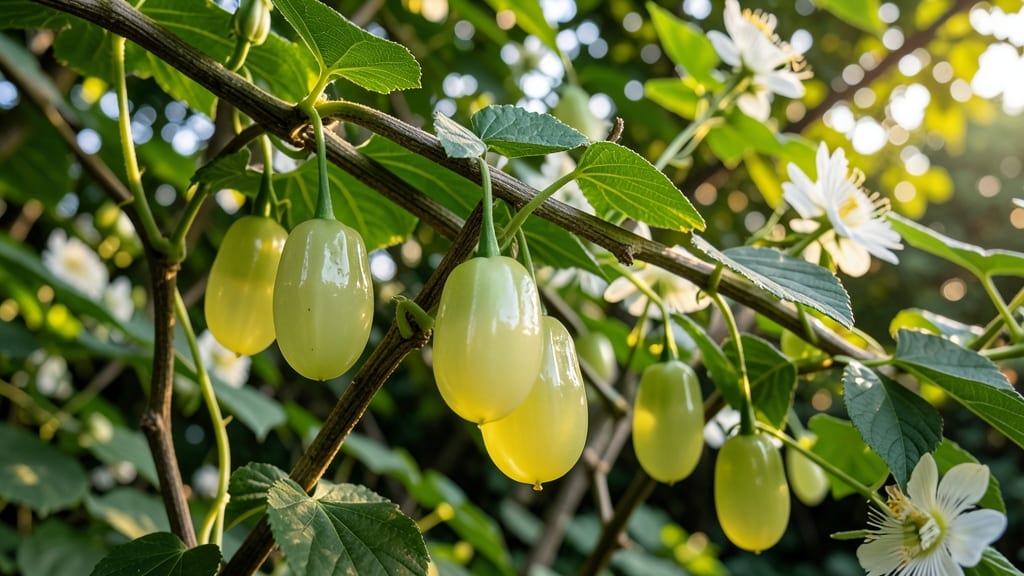
If you love foraging wild edibles but want a low-maintenance vine that doubles as a pollinator magnet, maypop passionflower is your secret weapon. This native North American vine produces grape-sized fruits with sweet, custard-like pulp—perfect for snacking straight off the vine.
Plant it in full sun to partial shade with well-draining soil, and watch for its dramatic purple trumpet-shaped flowers that attract hummingbirds and bees. The fruits ripen in late summer, bursting open to reveal edible seeds surrounded by jelly-like pulp. It’s a perennial vine, meaning it returns year after year with minimal care.
Ideal for wild gardens, permaculture beds, or pollinator-friendly landscapes, maypop thrives where other vines struggle. 🌱
Pineapple Guava Clusters
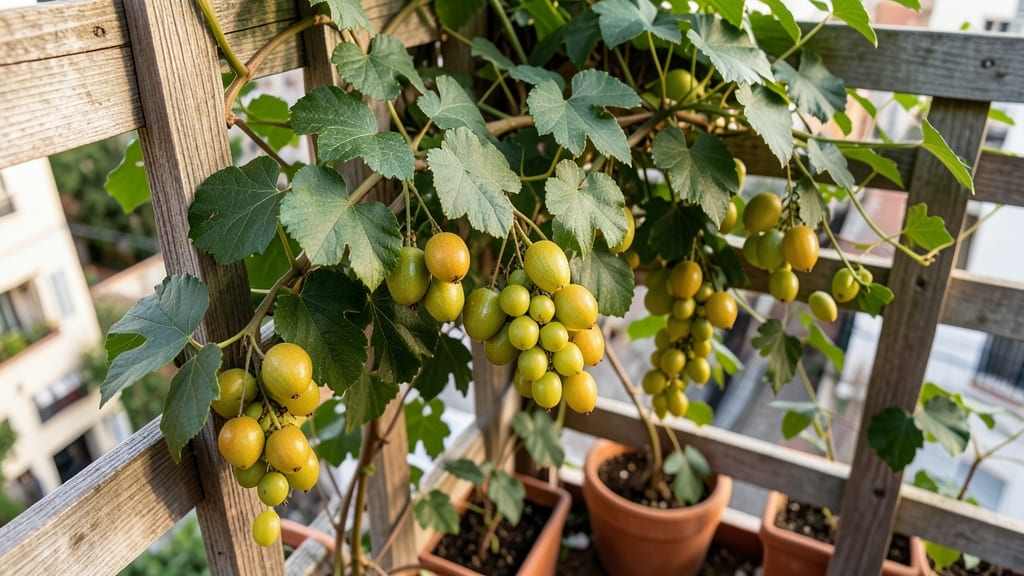
If you crave grape-like clusters but want a tropical twist, pineapple guava delivers with its sweet, pineapple-scented fruit and fragrant foliage. This fast-growing vine thrives in small spaces, making it ideal for containers or trellises in urban gardens.
The grape-sized fruits grow in clusters like their namesake but burst with a flavor reminiscent of pineapple and citrus. Plant in well-draining soil with full sun to partial shade, and expect harvests within 12-18 months. Prune regularly to encourage bushier growth and more fruit production—perfect for gardeners who love low-maintenance vines with high rewards.
This dual-purpose plant adds aromatic leaves and edible flowers, making it a standout for small gardens or balcony spaces. 🌱
Black Sapote Vine
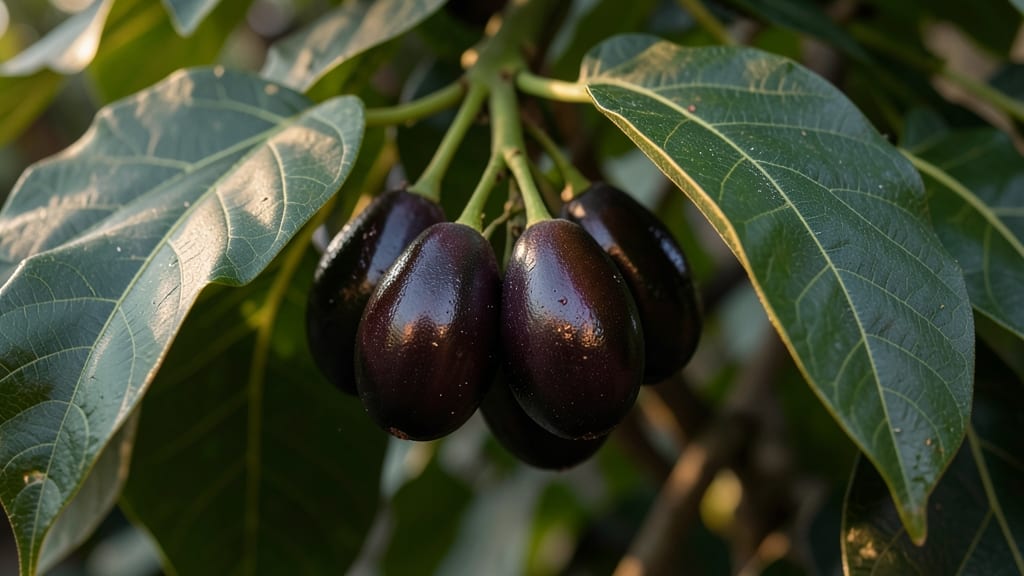
Imagine biting into a grape-sized fruit that tastes like rich chocolate pudding—this isn’t a dessert, it’s the black sapote vine, nature’s sweetest surprise for tropical gardeners. Unlike its grape-like cousins, this vine delivers a velvety, dessert-like fruit that’s as stunning as it is delicious, with deep purple-black skin that glistens in the sunlight.
The black sapote thrives in USDA zones 10-12, making it perfect for warm climates where it can climb trellises or sprawl as a ground cover. Plant it in well-draining soil with morning sun and afternoon shade to prevent fruit scorching. Harvest when the fruit yields slightly to pressure—its custard-like flesh is best enjoyed fresh, though it also freezes beautifully for later indulgence.
This vine is a game-changer for gardeners who want both beauty and bounty. Its glossy leaves and dramatic fruit clusters add tropical flair to any landscape, while the edible reward makes it a standout for culinary adventurers. 🌟
Starfruit Vine
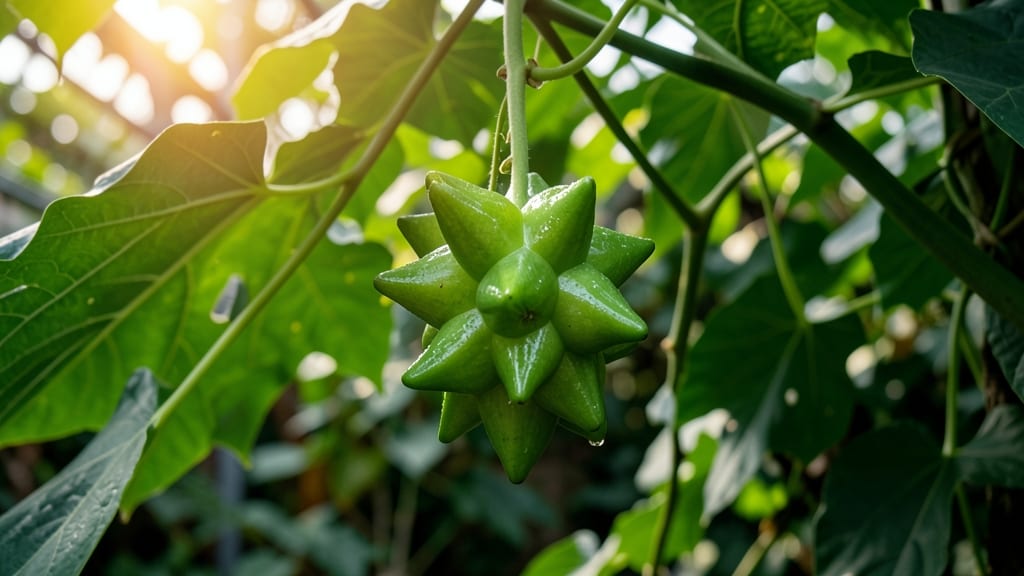
If you love grapes but crave something unexpected, starfruit vine delivers grape-sized fruit with a show-stopping twist: its star-shaped cross-section and tart, citrusy flavor. This tropical vine thrives in warm climates and produces clusters of glossy green fruit that look like oversized grapes until you slice them open.
Plant starfruit in well-draining soil with full sun exposure (6+ hours daily) and provide a sturdy trellis or fence for support, as the vines can grow 15-20 feet long. Prune regularly to encourage fruit production and protect young plants from frost, as they’re sensitive to temperatures below 50°F. The fruit ripens in 6-8 months, offering a unique harvest that’s perfect for fresh eating or juicing.
This vine is ideal for gardeners who want to add visual intrigue and a tropical flair to their space. 🌟
Jabuticaba Clusters
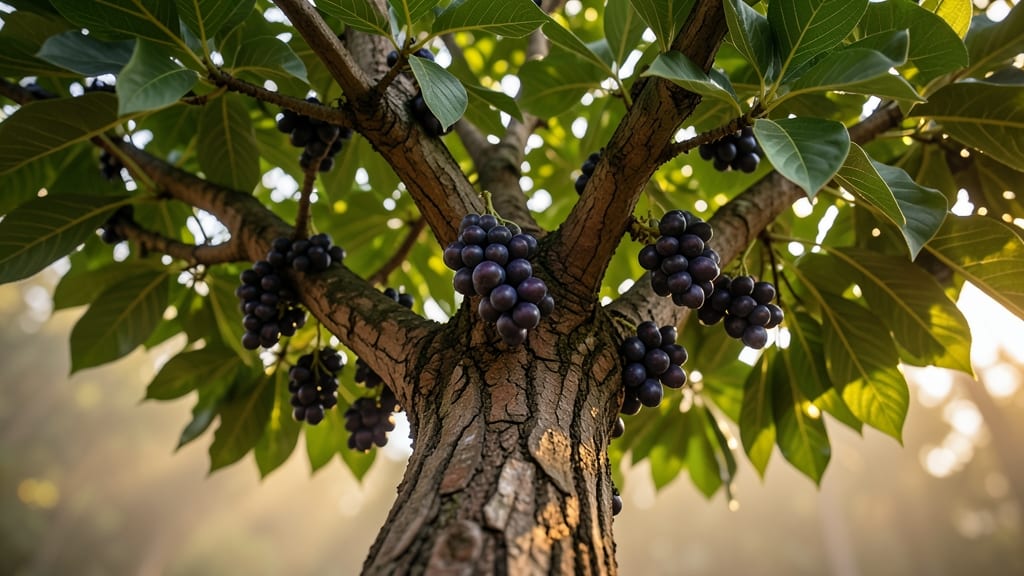
Imagine a dwarf tree where the fruit grows directly on its trunk—no vines, no branches, just clusters of grape-like jewels. The jabuticaba (Myrciaria cauliflora), a Brazilian native, does exactly that, offering a magical twist on traditional grape harvests.
These deep purple grapes ripen year-round in tropical climates (USDA zones 10-11) and thrive in well-draining soil with full sun to partial shade. The tree stays compact at 10-15 feet tall, making it ideal for small gardens or containers. Simply twist off the fruit when ripe—no tools needed!—and enjoy their sweet-tart flavor, often called "grape with a hint of strawberry."
Perfect for gardeners who love ornamental edibles or tropical accents, jabuticaba adds drama while requiring minimal pruning. Just be prepared for curious wildlife—they’re a hit with birds and humans alike! 🌿
Persimmon Vine Varieties

If you crave grape-like fruit with a fall harvest and a twist, persimmon vines deliver grape-sized gems with a unique astringent kick. Unlike their tree-growing cousins, these vines produce clusters of small, orange-red fruits that turn translucent when ripe—perfect for jams, desserts, or fresh snacking.
Most varieties thrive in USDA zones 5-9, needing full sun and well-drained soil. The American persimmon vine (Diospyros virginiana) is native and hardy, while Asian persimmon vines (Diospyros kaki) offer sweeter, non-astringent fruit. Train them on trellises or fences—their autumn foliage adds fiery color to your garden.
Ideal for gardeners who love dual-purpose plants, these vines feed pollinators in spring and provide striking fall interest. Their compact size makes them perfect for small spaces or containers. 🌻