
Fertilization
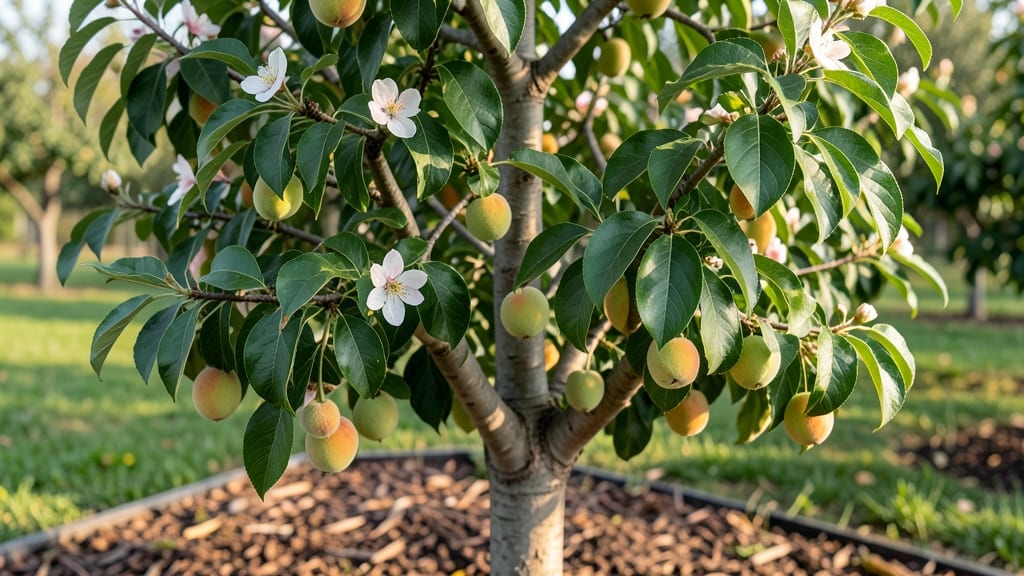
That peach-looking fruit on your tree might not be what you think. 🌱 The moment I saw my first deformed nectarine last summer, I knew my fruit-growing days needed a crash course in botanical detective work.
What looks like a peach could actually signal brown rot, pest damage, or even environmental stress—each with its own set of clues and solutions.
Start by examining the fruit closely: brown spots that spread? That’s likely brown rot, a fungal infection that thrives in wet conditions. Tiny holes or larvae inside? Fruit flies or borers are the culprits.
Environmental stress—like inconsistent watering or extreme heat—can also twist fruit into odd shapes or colors. The key is catching these issues early, before they ruin your harvest.
Prevention is your best tool: space trees properly for airflow, water at the base (not overhead), and pick up fallen fruit to stop fungal spores from spreading. If you spot trouble, prune infected branches immediately and treat with copper fungicide or horticultural oil.
With the right care, your peach-like fruit can go from "what went wrong?" to "perfectly ripe and ready to eat."
This works for peaches, nectarines, and even some plums—just adjust treatments based on the specific issue. Let’s turn those puzzling fruits into something delicious again.
Root Causes Of Blushed Skin
When your fruit starts resembling a peach—with that soft, fuzzy blush and rosy hue—it’s usually a sign of something fascinating (and sometimes unexpected) happening beneath the surface.
Whether you’re growing peaches, nectarines, or even other stone fruits, these visual cues often stem from a mix of biological triggers, environmental factors, and even human influence. Let’s break down the science behind why your fruit might be turning into a botanical masterpiece with a peachy glow.
Some fruits are genetically programmed to develop a peach-like appearance, especially if they’re hybrids or varieties bred for that exact look. For example:
- Peach-Nectarine Hybrids: Nectarines lack fuzz due to a recessive gene, but when crossed with peaches, the offspring can inherit a mix of traits—including that signature downy texture and blush.
- Fruit Color Pigments: Anthocyanins (the compounds that give fruits their red/pink hues) are often more active in certain varieties. If your fruit has a genetic tendency toward high anthocyanin production, it’ll naturally develop a peach-like rosiness, especially when exposed to sunlight or cooler temperatures.
- Stone Fruit Lineage: Many modern cultivars (like ‘Redhaven’ peaches or ‘Fantasia’ nectarines) are selectively bred to emphasize that peachy blush. If you’re growing these, the peach look is almost guaranteed!
Actionable Tip: If you’re growing from seeds or grafting, choose varieties known for their peach-like traits. Nursery labels often hint at color and texture—look for terms like “blush,” “fuzzy,” or “rosy.”
Fruit color isn’t just about genes—it’s also a response to light and temperature. Here’s how the environment turns your fruit peachy:
| Factor | How It Works | Result |
|---|---|---|
| 🌞 Direct Sunlight | Sunlight activates chlorophyll (green pigment) in the early stages, but as the fruit ripens, it breaks down, revealing underlying pigments like lycopene (red) and anthocyanins (purple/blush). | A gradual shift from green to peach-like hues, especially on sun-exposed sides. |
| 🌡️ Cool Nights | Temperature fluctuations (like warm days + cool nights) boost anthocyanin production. This is why fruit often blushes more intensely in spring or fall. | Deeper, more vibrant peach tones, especially in varieties prone to color changes. |
| ❄️ Early Frost or Chill Hours | Some stone fruits need a period of cold (chilling hours) to trigger pigment changes. Without enough chill, the fruit may stay pale or develop uneven color. | Patchy or muted peach coloring if chill requirements aren’t met. |
Pro Tip: If your fruit isn’t blushing enough, try pruning to improve airflow and sunlight penetration, or use shade cloth temporarily to create temperature contrasts. For chill-sensitive varieties, consider growing in regions with natural winter chills or using artificial chilling methods.
What you (or don’t) give your plant can dramatically alter fruit appearance. Here’s how water and nutrients play a role:
💧 Overwatering or Underwatering
- Too Much Water: Excess moisture dilutes nutrient uptake, leading to pale, waterlogged fruit with poor pigment development. The skin may also develop a dull, uneven blush.
- Too Little Water: Stress from drought can cause the fruit to concentrate sugars and pigments unevenly, leading to patchy or overly intense peach-like coloring (almost like a “sunburn” effect).
🌱 Nutrient Deficiencies or Surpluses
| Nutrient | Deficiency Signs | Effect on Fruit |
|---|---|---|
| 🟡 Potassium (K) | Yellowing edges on leaves, weak stems | Fruit may develop a dull, uneven blush or fail to ripen properly. |
| 🔴 Phosphorus (P) | Purple-tinged leaves, stunted growth | Can enhance anthocyanin production, leading to a deeper peach-red hue—but may also cause poor fruit set. |
| 🟢 Nitrogen (N) | Pale yellow leaves, excessive leafy growth | Fruit may stay green longer or develop a weak, washed-out blush. |
Actionable Fix: Test your soil and adjust with a balanced fertilizer (like 10-10-10) during flowering and fruiting. For potassium, try a banana peel compost tea—it’s a natural source! If phosphorus is low, bone meal or rock phosphate can help.
Not all peach-like fruit is a good thing—sometimes, it’s a cry for help. Pests and diseases can trigger stress responses that alter pigmentation:
- 🐜 Curculio Weevils or Plum Curculios: These pests inject enzymes into fruit, causing it to develop a premature blush or scarring that mimics a peach’s texture. The fruit may also soften unevenly.
- 🍄 Brown Rot (Monilinia): This fungal disease causes fruit to develop a fuzzy, peach-like surface as it rots. Affected areas may ooze gum or turn mushy.
- 🐛 Scale Insects: Heavy infestations stress the plant, leading to stunted growth and fruit that develops an unusual, patchy blush due to hormonal imbalances.
Prevention Tip: Monitor your trees for early signs of pests (like tiny holes or webbing) and diseases (blackened spots or mold). Use neem oil or horticultural oil as a preventive spray, and remove fallen fruit to reduce fungal spores.
Understanding these causes can help you diagnose and correct issues before they turn your harvest into a botanical mystery. Next up: how to encourage that perfect peach look—or fix it if it’s gone wrong!
Fixing Blossom Drop Issues
When your fruit trees produce flowers that resemble peach blossoms but fail to develop into fruit—or worse, drop prematurely—it’s a sign of underlying stress or imbalance. The good news? Most of these problems have practical, actionable fixes that can turn things around in a single growing season.
Below, we’ll break down the most common causes of this issue and match them with step-by-step solutions, plus prevention tips to keep your trees thriving.
Cause: If your fruit tree’s flowers aren’t being pollinated properly—whether due to lack of bees, wind, or poor flower structure—you’ll end up with peach-like blossoms that never set fruit.
Fix It: ✅ 🔥 Step 1: Identify Your Tree’s Pollination Needs
- Some varieties (like peaches or nectarines) are self-pollinating, while others (like plums or cherries) need cross-pollination from another tree.
- If you’re unsure, check your tree’s tag or consult a local nursery.
✅ 🐝 Step 2: Boost Pollinator Activity - Plant bee-friendly flowers nearby (lavender, sunflowers, or clover work great). - Avoid pesticides during bloom time—even "organic" sprays can harm bees. - 💡 Pro Tip: If your area has few bees, hand-pollinate in the morning when flowers are open.
Use a soft paintbrush to transfer pollen from flower to flower.
✅ 👨🍳 Step 3: Shake the Tree (Gently!)
- On calm days, gently shake branches to help pollen disperse naturally.
Prevent It:
- ✨ Choose pollinator-friendly varieties if you’re planting new trees.
- 📅 Time your pruning—avoid heavy cuts during bloom season.
Cause: Frost, heatwaves, or sudden temperature swings can shock flowers, causing them to drop before pollination occurs. This is especially common in early spring or late fall bloomers.
Fix It: ✅ ❄️ Step 1: Frost Protection
- Cover trees at night with frost cloth if a freeze is forecasted.
- 🔥 Use row covers or even old bedsheets draped over branches.
- 💡 Pro Tip: Water the soil before a freeze—moist ground retains heat better.
✅ ☀️ Step 2: Beat the Heat
- Mulch heavily (3-4 inches of straw or wood chips) to keep roots cool.
- Provide afternoon shade with shade cloth if temperatures exceed 90°F (32°C).
- ⏰ Avoid late-season fertilizing—too much nitrogen in heat can stress the tree.
✅ 🌧️ Step 3: Manage Rain & Humidity
- Ensure good drainage—soggy soil weakens trees.
- 🔪 Prune for airflow to reduce fungal diseases (like blossom blight) that thrive in damp conditions.
Prevent It:
- 🎯 Plant heat-tolerant varieties (e.g., ‘Elberta’ peaches for hot climates).
- 📊 Monitor weather forecasts and act early if frost or heat is predicted.
Cause: Blossom blight, brown rot, or powdery mildew can infect flowers, causing them to wilt, drop, or fail to develop fruit. These issues thrive in humid, rainy springs.
Fix It: ✅ 🧼 Step 1: Clean Up Debris
- Remove fallen blossoms and mummified fruit from last season—this prevents spore spread.
- Sterilize pruners with rubbing alcohol between cuts.
✅ 💊 Step 2: Apply Fungicides Preventively
- 🔥 Use copper fungicide (like Bordeaux mixture) or neem oil as a spray before buds open.
- 💡 Pro Tip: Reapply after rain—fungicides wash off quickly.
✅ 🌿 Step 3: Improve Air Circulation
- Thin out dense branches to allow sunlight and airflow.
- Space trees properly (15-20 ft apart for most fruit trees).
Prevent It:
- 🌡️ Avoid overhead watering—use drip irrigation instead.
- 📊 Plant resistant varieties (e.g., ‘Redhaven’ cherries are less prone to brown rot).
Cause: Too much or too little nitrogen, potassium, or boron can lead to poor flower development or fruit drop. Over-fertilizing with nitrogen (for leafy growth) starves flowers of essential nutrients.
Fix It: ✅ 📊 Step 1: Get a Soil Test
- 🔥 Send a sample to a local extension office (costs ~$20-$30).
- Look for deficiencies in phosphorus (P), potassium (K), or micronutrients like boron or zinc.
✅ 🍄 Step 2: Correct the Imbalance
- Low phosphorus? Apply bone meal or rock phosphate.
- Low potassium? Use potassium sulfate or wood ash.
- Boron deficiency? 💡 Sprinkle borax (follow package rates) or use Epsom salt for magnesium.
✅ 🚫 Step 3: Avoid Over-Fertilizing
- Stop nitrogen-heavy feeds (like blood meal) during bloom.
- Switch to a balanced formula (e.g., 10-10-10) or fruit-specific fertilizer.
Prevent It:
- 🎯 Fertilize in early spring (before buds swell) and again after harvest.
- 🌱 Mulch with compost to slowly release nutrients.
Cause: Aphids, mites, or borers can sap flower energy, causing them to drop. Even birds or squirrels may peck at buds if other food sources are scarce.
Fix It: ✅ 🔍 Step 1: Spot the Culprit
- Sticky residue? → Aphids or scale insects.
- Holes in buds? → Japanese beetles or fruit tree leafrollers.
- Bored holes in branches? → Borers.
✅ 🛡️ Step 2: Use Targeted Controls
- 💡 For soft-bodied pests (aphids): Spray with soapy water or horticultural oil.
- For beetles/borers: Apply neem oil or Bt (Bacillus thuringiensis).
- For birds/squirrels: 🎯 Use netting over young trees.
Prevent It:
- 🌿 Plant pest-repellent herbs (like mint or basil) nearby.
- 📅 Prune in late winter to remove pest hiding spots.
Before the next blooming season, run through this quick checklist to prevent peach-like blossoms from going to waste: ✔ ✅ Pollination: Do you have bees? If not, hand-pollinate or plant companion flowers. ✔ ✅ Weatherproofing: Are trees covered for frost?
Is mulch in place for heat? ✔ ✅ Disease Prevention: Did you clean up last year’s debris? Applied fungicide? ✔ ✅ Soil Health: Did you test soil and adjust nutrients? ✔ ✅ Pest Control: Are there early signs of infestation? Act now!
With these targeted fixes, your fruit trees should go from dropping blossoms to bearing bushels in no time. 🍑🌿
Frequently asked questions
Why does my fruit look like a peach but isn't one?
Your fruit might resemble a peach due to genetic traits, environmental factors, or even pest/disease stress. Many stone fruits like nectarines or plums develop peach-like textures when exposed to sunlight or cool nights. Check for brown spots (fungal infections) or tiny holes (pest damage) to identify the cause.
How can I tell if my peach-looking fruit is diseased?
Look for key signs: fuzzy brown patches (brown rot), oozing sap (bacterial infections), or soft spots (fruit flies). Healthy peach-like fruit should have smooth skin and firm texture. If you see these symptoms, remove affected fruit immediately and treat with copper fungicide.
What's the best way to prevent peach-like fruit from developing fungal issues?
Start with proper spacing between trees for airflow, water at the base (not overhead), and pick up fallen fruit regularly. Apply preventive sprays like neem oil before bloom season. Prune branches to improve sunlight penetration and reduce humidity in the canopy.
Can I still eat peach-looking fruit that has brown spots?
Only if the spots are small and superficial. Cut away any discolored areas and cook the fruit thoroughly to 165°F. However, if the flesh is mushy or has mold, discard it completely. Fungal spores can spread even when cooking, so prevention is always better than treatment.
How do I know if my tree needs more nutrients for healthy fruit development?
Watch for yellow leaves (nitrogen deficiency) or purple stems (phosphorus deficiency). Conduct a soil test ($20-$30) to check nutrient levels. For potassium, try banana peel compost tea. For phosphorus, use bone meal. Always follow package instructions for proper application rates.