
Trees
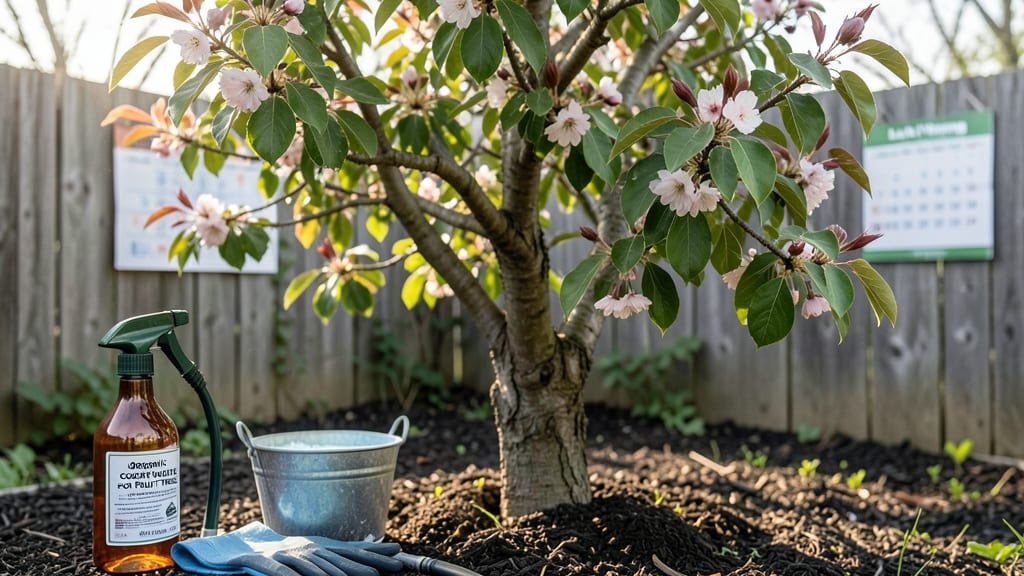
To spray copper on fruit trees 🍎, aim for late winter or early spring before buds swell — this dormant-season window is the most critical for stopping fungal spores from taking hold.
Picture this: you’ve just pruned your trees, the soil is still cool, and the first hints of green peek through the bark. That’s your best shot to intercept diseases like apple scab or peach leaf curl before they spread. Miss this timing, and you’re playing catch-up all season.
But here’s the catch: regional climates shift those deadlines. In warmer zones like Zone 6a, you might spray as early as February, while colder areas wait until April. And rain? Never spray within 24 hours of a forecasted downpour — copper needs time to dry.
Below, I’ll break down the exact schedule by season, how to adjust for your local frost dates, and when to add a second spray for heavy-disease pressure. No guesswork, just peak protection for your harvest.
Optimal copper spray schedule for fruit trees by season
Copper spray is a powerhouse fungicide for organic gardeners, but its effectiveness hinges on precise timing. Applying it at the wrong time can waste your effort—or worse, harm your trees.
The key is targeting critical disease windows when pathogens like fire blight and apple scab are most active but before they establish a foothold.
Your climate plays a huge role: Cold regions (USDA Zones 4-6) have longer dormant seasons, while warm climates (Zones 7-9) require year-round vigilance. Below, I’ll break down the month-by-month schedule tailored to both scenarios, plus pro tips to maximize protection.
🌱
Let’s dive deeper into each seasonal window and why these timings work. For cold regions, the dormant season (late winter) is your best shot to knock out overwintering pathogens hiding in bark crevices.
Aim for two applications: once when branches are bare, and again at bud swell (when buds are pea-sized).
In warm climates, diseases don’t take a break, so you’ll need 3-4 sprays per year. The first goes at green tip stage (when buds first emerge), followed by pre-bloom and post-harvest.
If your area gets consistent rain, add a bloom-time spray to prevent fire blight from spreading via petals.
✂️
Pro Tip: Always spray in the early morning when humidity is low. Avoid treating if rain is forecasted within 24 hours—copper needs time to bond to plant surfaces. For organic certification, use copper sulfate (1 lb per 100 gallons of water) or copper hydroxide, which is less phytotoxic.
One common mistake is over-applying copper in summer. While post-harvest sprays are crucial, limit frequency to avoid phytotoxicity (leaf burn). In humid summers, alternate copper with baking soda spray (1 tbsp baking soda + 1 tsp oil per gallon) for fungal control without copper buildup.
🌿
For fire blight-prone trees (like apples and pears), add a third dormant spray in late winter if your region had a wet fall. In dry climates, you can skip the post-harvest spray unless you notice leaf spots or blackened branches.
Always prune out infected wood 6 inches below visible damage before spraying to prevent reinfection.
Finally, monitor weather patterns closely. If cool, wet springs are typical in your area, add an extra pre-bloom spray. For drought-prone regions, reduce summer applications unless you see active disease.
Copper spray is your first line of defense, but combining it with proper pruning and good air circulation will give your fruit trees the best shot at staying healthy all season.
Signs your fruit trees need copper spray immediately
If your fruit trees show sudden signs of distress—like dark, oily spots on leaves or blackened branches—copper spray may be your last line of defense. Fungal diseases like fire blight and apple scab spread rapidly in wet conditions, and copper acts as a protective barrier.
Don’t wait until the problem worsens; act fast to save your harvest.
One of the first visual warnings is irregular leaf spots that appear greasy or velvety. These spots often start small but expand quickly, especially after cool, rainy nights. If you notice yellowing edges on leaves or premature leaf drop, your tree is already under attack.
These symptoms are classic signs of fungal infections that copper can help prevent.
🚨 CALLOUT-WARNING 🚨
Environmental triggers often precede these symptoms. Excessive moisture, whether from overwatering or prolonged rain, creates the perfect breeding ground for fungi. If your area experiences cool nights followed by warm days, fungal spores activate rapidly. These conditions are ideal for apple scab and powdery mildew, both of which respond well to copper treatments.
Not all diseases respond to copper, though. Bacterial spot on peaches or anthracnose in cherries may require a different approach, like bacterial sprays or copper combined with sulfur. Always confirm the diagnosis by checking leaf undersides for fungal growth or branch patterns for bacterial cankers.
A quick internet search with photos can help you identify the issue before it spreads.
For preventative care, apply copper spray every 10-14 days during wet seasons or when you notice early signs of stress. Focus on young leaves and new growth, as these are the most vulnerable.
Pair your treatment with proper pruning to improve airflow and reduce humidity around the tree’s canopy.
Remember, copper is a preventative tool, not a cure. The sooner you act, the better your chances of saving your fruit trees. Keep an eye out for these warning signs, and don’t hesitate to spray when conditions are right—your future harvest depends on it! 🌿