
Pruning
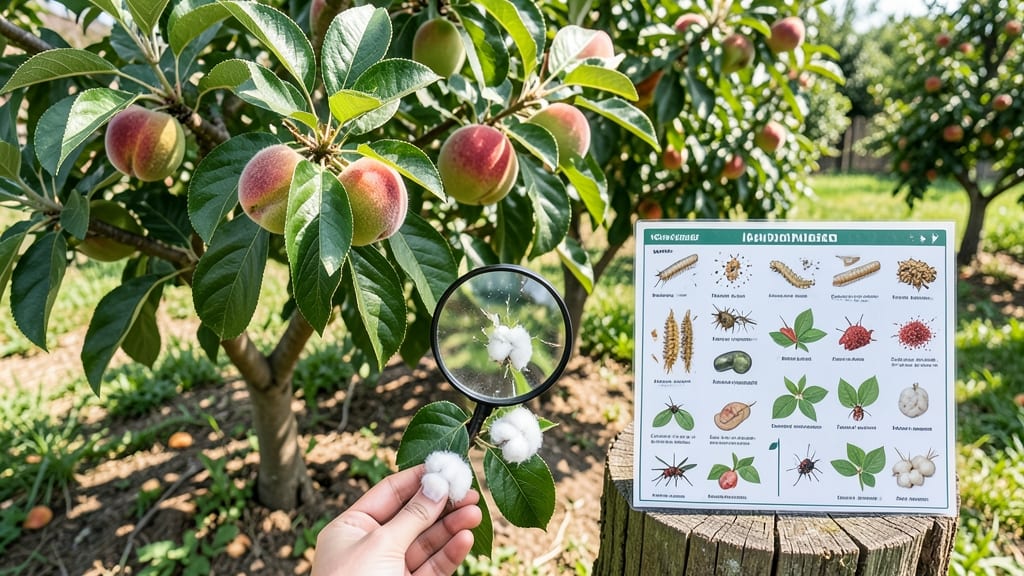
Spotting tiny holes in your peaches or sticky residue on apple leaves? 🌳 Fruit tree pests identification starts with knowing what’s chewing on your harvest—and how to stop it before it’s too late.
I’ve spent years tracking down these silent thieves, from sap-sucking aphids to wood-boring beetles, and the first step is always the same: learning their telltale signs.
Most pests leave clear clues like chewed leaf edges, sawdust-like frass (insect poop), or webbing between branches. Aphids cluster on new growth, while borers tunnel under bark, oozing sap that attracts ants.
The key? Inspect regularly—especially undersides of leaves and fruit stems—because early detection means fewer chemicals and more fruit.
You’ll recognize common culprits like citrus leaf miners (serpentine trails in leaves) or codling moths (tiny exit holes in apples) within minutes of close inspection. Once you spot the damage, targeted solutions—neem oil for soft-bodied pests, pruning for borers—keep your trees thriving without harsh sprays.
This isn’t just about saving your harvest; it’s about building resilience in your orchard. Start with a hand lens, a notebook, and these visual cues, and you’ll catch problems before they spread. Let’s turn those warning signs into action steps!
📚 In This Guide
- What you need
- Instructions
- Tips and common mistakes
- Wrapping up and next steps
What you need
- ● Hand Lens or Magnifying Glass – A 10x magnification lens (e.g., blank">Loupe) for close-up inspection of tiny pests or damage.
- ● Flashlight or Headlamp – A bright LED model (1000+ lumens) to examine hidden areas like bark crevices or under leaves.
- ● Notebook & Pen – For recording pest types, locations, and damage details (or use a waterproof field journal if outdoors).
- ● Ruler or Measuring Tape – To document pest size or damage spread (e.g., 6-inch ruler for accuracy).
- ● Disposable Gloves – Nitrile gloves (sized medium/large) to protect hands from sap, pests, or chemicals.
- ● Camera or Smartphone – With a macro mode (or a blank">clip-on lens) for high-res images of pests/damage.
- ● Pest Identification Guidebook – A regional-specific guide (e.g., "Fruit Tree Pests of North America") or a digital app like iNaturalist.
- ● Entomology Kit – Includes killing jars, forceps, and vials for preserving pests for lab ID (if needed).
- ● UV Flashlight – Reveals invisible insect trails or fungal spores in low light.
- ● Pest Trap Kit – Sticky traps or pheromone traps for monitoring specific pests (e.g., codling moths).
- ● Soil pH Test Kit – Helps diagnose nutrient deficiencies that may attract pests (e.g., aphids).
- ● Reference Samples – Pre-identified pest specimens (e.g., from a local extension office) for comparison.
Step-by-step guide to identifying fruit tree pests
Here's how I spot and solve common fruit tree invaders before they ruin your harvest.
🐛 Step 1: Examine Leaves for Common Signs of Damage
Start by inspecting the upper and lower surfaces of leaves for holes, chew marks, or unusual patterns. Aphids leave sticky residue called honeydew, while spider mites create fine webbing between leaves. I always check the undersides first—many pests hide there to avoid predators. Look for tiny yellow or brown specks, which might be mites or early signs of leaf miners.
Use a 10x hand lens to spot tiny eggs or larvae. Japanese beetles leave irregular holes with serrated edges, while caterpillars chew larger, ragged patches. If leaves curl or pucker, check for mites or scale insects. Remember: early detection is key—waiting until you see major damage means the pests have already multiplied.
🍎 Step 2: Inspect Fruit for Visible Pests or Entry Points
Gently shake branches over a white tray or sheet to dislodge any crawling pests. Look for small holes in fruit—codling moth larvae tunnel inside apples, leaving tiny exit holes. Pear psylla damage shows as blister-like spots on fruit skin. I always check the calyx end (where the stem attaches) first, as many pests target this vulnerable area.
Press fruit gently to feel for soft spots or larvae inside. If you see webbing or sawdust-like frass (insect droppings), that's a sure sign of borers or fruit flies. Healthy fruit should feel firm and intact. Note the size and shape of any damage—this helps identify the specific pest and choose the right treatment.
🌳 Step 3: Check Bark and Branches for Signs of Infestation
Scrape bark gently with a knife or your fingernail to look for tiny eggs or larvae. Sawdust-like frass at the base of branches signals borer activity. I always check where branches meet the trunk—this is where many pests lay their eggs. Look for oozing sap or dark stains, which indicate bark beetle infestations.
Inspect for woodpecker holes in bark—these birds often peck at trees to find grubs. If you see ants trailing up the trunk, they might be tending to aphids or scale insects. Check for wilting or dying branches, which could signal borer damage cutting off water flow. Remember: healthy bark should be smooth and firm, not cracked or peeling.
🔍 Step 4: Identify Pests Using Visual Clues and Behavior
Compare what you find with a fruit tree pest identification chart (available from your local extension office). Note the pest's size, color, and behavior. Adult Japanese beetles are metallic green with copper wings, while their larvae (grubs) are white with brown heads. Aphids are tiny, soft-bodied insects that cluster on new growth.
Look for specific damage patterns: uniform holes suggest beetles, while irregular chew marks point to caterpillars. If you see moths flying around your tree at dusk, they might be codling moths or oriental fruit moths. I always keep a small jar with soapy water nearby to capture and preserve specimens for positive ID.
✂️ Step 5: Take Corrective Action Based on Identification
Once you've identified the pest, choose the right treatment. For soft-bodied insects like aphids or mites, a strong spray of water often works. I use neem oil for scale insects and mites, applying it when leaves are dry and temperatures are below 90°F. For borers, inject systemic insecticides directly into the infested area using a tree injection tool.
Encourage natural predators by planting companion flowers that attract ladybugs, lacewings, and parasitic wasps. Prune and destroy heavily infested branches immediately—don't compost them. For severe infestations, consult your local extension service for integrated pest management (IPM) recommendations tailored to your specific tree species and region.
Tips & tricks for fruit tree pest identification
Between us, these visual tricks will help you spot pests before they become a full-blown problem—and save your harvest.
Timing is Everything: Start your inspection in early spring when pests first emerge, but don't wait until summer when damage is already done. I check my trees every 7-10 days during peak growing season (May through July). Early detection means you can treat minor issues before they spread. The 10x hand lens mentioned in Step 1 is your best friend here—it reveals eggs and larvae you'd never see with the naked eye.
The Right Tools Make All the Difference: Beyond the hand lens, keep a small flashlight handy for inspecting undersides of leaves and crevices in bark. A white tray or sheet helps dislodge pests so you can see them clearly against a bright background. I also carry a small spray bottle with soapy water to capture specimens for positive identification. This simple setup turns any inspection into a science.
Temperature Matters: When applying neem oil (Step 5), remember the 90°F temperature limit is critical. Hotter conditions can burn your tree's leaves, while cooler temps (below 50°F) won't be effective. I always apply neem oil in the early morning when temps are cooler and the solution can work its magic before the heat of the day. For other treatments, follow the same principle—read labels carefully about temperature restrictions.
Document Your Findings: Keep a simple logbook or use your phone to photograph damage patterns. Note the date, location on the tree, and what you observed. I've caught recurring problems by comparing notes from year to year. This helps you track pest cycles and adjust your treatment schedule accordingly. Photos also make it easier to consult with extension services later if needed.
Pro Tips for Fruit Tree Pests Identification
- Between us, these visual tricks will help you spot pests before they become a full-blown problem—and save your harvest.
- Timing is Everything: Start your inspection in early spring when pests first emerge, but don't wait until summer when...
- The Right Tools Make All the Difference: Beyond the hand lens, keep a small flashlight handy for inspecting underside...
Frequently asked questions
Got questions about spotting and tackling fruit tree pests? You’re not alone! Here are some of the most common concerns—and straightforward answers to help you keep your trees thriving.
How do I tell if my fruit tree has pests before the damage is obvious?
Look for early warning signs like tiny holes in leaves, sticky residue (aphid "honeydew"), or chewed fruit edges. Inspect the undersides of leaves, buds, and bark crevices—pests often hide there. Act fast! Catching issues early (like spider mites or borers) saves your harvest.
When is the best time to treat pests on fruit trees?
Timing matters! Treat preventatively in early spring (before buds swell) to stop overwintering pests. For active infestations, act immediately—but avoid sprays 2–4 weeks before harvest to protect fruit safety. Organic options like neem oil work well year-round.
Are there natural pest controls that actually work for fruit trees?
Try these DIY-friendly methods:
- Neem oil: Spray on leaves to deter soft-bodied pests (aphids, mites).
- Beneficial insects: Ladybugs, lacewings, and parasitic wasps eat common pests naturally.
- Prune & remove: Cut off infested branches and drop them in a sealed bag.
- Row covers: Lightweight fabric blocks fruit flies and moths during bloom.
My tree has holes in the bark—what’s eating it and how do I fix it?
Those holes? Likely borers (like peach tree borers or carpenter bees). Act now:
- Scrape out larvae with a screwdriver (wear gloves!).
- Fill holes with diatomaceous earth or pruning sealant.
- Wrap the trunk with tree banding (sticky traps) to catch adults.
Can I still eat fruit from a tree with pests if I wash it thoroughly?
Washing helps remove surface pests (like fruit flies or aphids), but some damage is irreversible. If pests like codling moths (worms in apples) or brown rot (fungus) are present, toss the fruit—washing won’t kill larvae or spores. When in doubt, check local guidelines for safe harvest times after treatment.
Wrapping up and next steps
Identifying fruit tree pests early is the first step to keeping your orchard thriving! 🌳 From aphids to borers, recognizing these invaders helps you act fast—whether through organic sprays, pruning, or natural predators. Don’t let pests take over: stay vigilant, monitor regularly, and trust your observations.
Ready to take action? Start with a quick inspection of your trees this weekend—your future harvest (and happy trees!) will thank you. 🍏🍐