
Fertilization
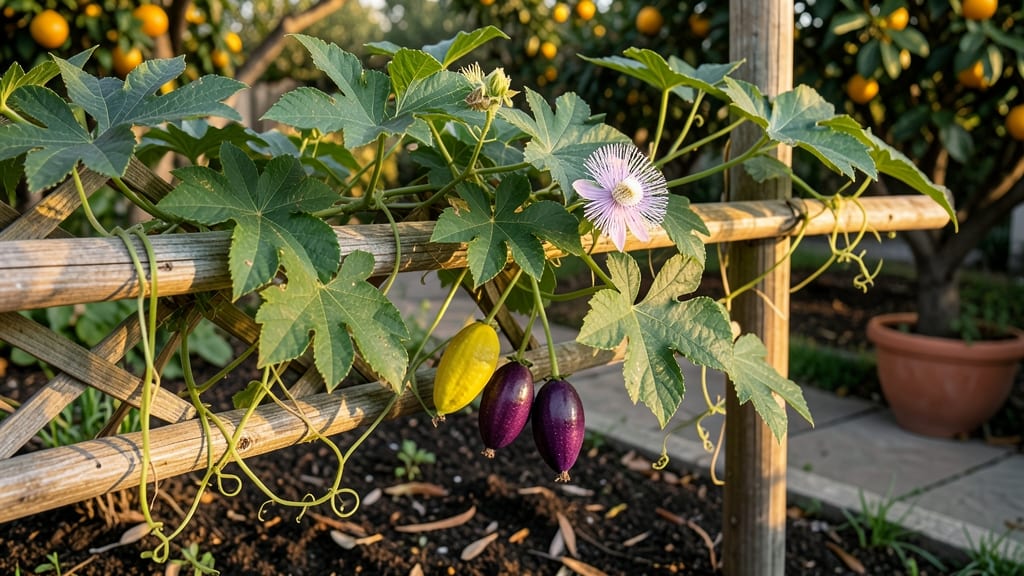
Growing passion fruit in California delivers tropical flavors right in your backyard—even if you only have a balcony. 🌱 The secret lies in mimicking the plant's natural habitat: full sun, well-draining soil, and consistent moisture, all while protecting it from our occasional frost.
My first harvest last summer was so abundant that I shared jars of passion fruit jam with every neighbor, and I'm here to help you do the same.
You'll need a 5-gallon container (or larger) with drainage holes, a trellis or sturdy post for vining, and a soil mix that drains fast but holds moisture—think 60% potting soil, 30% perlite, and 10% compost.
Passion fruit thrives in USDA Zones 8-11, but with containers, you can grow them in cooler microclimates by moving them indoors during winter. The key is warmth: roots hate cold, so keep containers off cold surfaces.
By late spring, your plant will climb like a jungle vine, and by summer, you'll spot those signature purple flowers—each one a potential fruit. With weekly watering (more in heatwaves) and a balanced fertilizer every 4-6 weeks, your harvest will start in 8-12 months.
The first fruits might be small, but they'll grow bigger and sweeter with each season.
California's biggest challenge? Frost and passion vine hoppers. Protect young plants with frost cloth in winter, and watch for tiny green bugs that chew leaves—spray with neem oil if you spot them.
Container growing makes this easier: just move pots indoors when temps dip below 40°F. With these tricks, you'll enjoy homegrown passion fruit year after year.
📚 In This Guide
- What you need
- Instructions
- Tips and common mistakes
- Wrapping up and next steps
What you need
- ● Passion fruit plant: Choose a Passiflora edulis (purple passion fruit) or Passiflora ligularis (yellow passion fruit) from a local nursery or online supplier. Pro tip: Start with a 1-gallon container plant for faster results!
- ○ Container: A 5-gallon or larger pot with drainage holes (minimum 18" diameter). Optional: Self-watering containers for drought-prone areas.
- ● High-quality potting mix: A well-draining blend like 50% coconut coir + 30% perlite + 20% compost. Avoid garden soil—it compacts too easily!
- ● Fertilizer: Balanced liquid fertilizer (10-10-10 or 20-20-20) for early growth.
- ● High-phosphorus fertilizer (5-10-10) during flowering/fruiting (spring to fall).
- ● Organic options: Fish emulsion or worm castings (every 4-6 weeks).
- ● Support structure: A trellis, stake, or tomato cage (at least 6 feet tall) to guide vines upward.
- ● Basic gardening tools: Pruners (sterilized), trowel, and gloves.
- ● pH testing kit: Aim for 6.0–7.0 (passion fruit thrives in slightly acidic to neutral soil).
- ● Mulch: 2–3 inches of straw or wood chips to retain moisture and regulate temperature.
- ● Watering can or drip irrigation: Passion fruit needs 1–2 inches of water weekly (more in summer).
- ● Sunlight access: Full sun (6+ hours daily)—California’s coastal or inland climates are perfect!
- ○ Optional: Slow-release fertilizer pellets for convenience.
- ● Shade cloth (30–50%) for afternoon sun protection in hot valleys.
- ● Humidity tray or pebble tray to boost air moisture in dry climates.
Step-by-step instructions for growing passion fruit in California containers
Here’s how to coax those sweet, tropical fruits from vines using California’s sunshine and containers.
🪴 Step 1: Choose the Right Containers and Location
Passion vines thrive in 10-15 gallon containers with drainage holes—no soggy roots allowed. I use fabric grow bags because they prevent root circling and dry out faster between waterings. Place your container in a spot with full sun (6+ hours daily)—California’s coastal areas can handle morning sun, but inland vines need afternoon shade in summer to avoid scorching.
If your patio faces north, supplement with a grow light for 4-6 hours daily. You’ll know the location is right when new leaves emerge bright green and crisp, not yellow or wilted. Avoid windy spots—vines grow 6-10 feet annually, and flapping branches break easily.
🌱 Step 2: Plant and Establish the Vine
Start with a healthy 1-year-old vine (not seeds—passion fruit takes 2+ years to fruit from seed). Remove the plant from its nursery pot and loosen the roots if they’re circling. Fill the container with well-draining potting mix (I blend 60% potting soil, 30% perlite, and 10% compost) up to 2 inches below the rim. Plant the vine so the graft union (visible bump near the base) sits just above soil level—this prevents rot.
Water deeply until it drains from the bottom, then let it dry slightly before watering again. You’ll see new growth within 2 weeks—that’s your cue to fertilize with a balanced 10-10-10 formula every 4-6 weeks during growing season. Avoid overwatering; passion vines hate wet feet.
☀️ Step 3: Train and Support the Vine
Passion vines need strong support—install a 5-6 foot tall trellis or tomato cage at planting. Gently weave the main stem through the trellis as it grows, tying it with soft plant ties every 12 inches. This encourages upward growth and keeps fruits off the ground (where they rot). Prune side shoots to 3-4 leaves to focus energy on the main stem and fruit production.
In California’s mild winters, your vine may stay evergreen, but if leaves yellow, it’s time to reduce watering and fertilize lightly in early spring. You’ll spot flower buds in late spring—these look like tiny trumpets. Protect them from bees (they pollinate, but too many bees can damage flowers) by gently shaking the vine to release pollen.
💧 Step 4: Water and Fertilize for Fruit Set
Once flowers appear, deep water weekly—passion fruit needs 1-1.5 gallons per watering to set fruit. Use a slow-release fertilizer like 14-14-14 every 8 weeks during fruiting season (spring through fall). You’ll know you’re on track when small green fruits form—each one is heavy! If they drop early, it’s usually underwatering or poor pollination (hand-pollinate with a paintbrush if needed).
Harvest when fruits turn yellow or purple and give slightly when gently squeezed. Ripe passion fruit bursts open easily—wait for that! Store unripe fruits at room temperature to ripen. In California’s heat, fruits ripen faster in containers than in ground plantings, so check daily.
✂️ Step 5: Prune and Overwinter for Next Year
After harvest, prune back any dead or diseased branches. Cut 1/3 of the oldest growth to encourage new, productive shoots. In coastal areas, vines may stay active year-round, but inland vines benefit from a light winter prune in late fall to remove weak growth. Reduce watering to every 2-3 weeks in winter—overwatering kills dormant vines.
If your vine looks tired, replace the top 2 inches of soil in spring with fresh potting mix. You’ll see new shoots within 3 weeks—that’s your sign it’s ready for another fruiting season. With containers, you can even move vines indoors during extreme heat or cold if needed.
Tips & tricks for growing passion fruit in California containers
Let me share the hard-won wisdom that’ll help you turn your container garden into a passion fruit powerhouse—without the common pitfalls that trip up new growers.
Container Size Matters: While 10-15 gallon containers are ideal, don't skimp on depth—passion vines develop deep root systems. If you're using smaller containers, opt for dwarf varieties like 'Panama Red' which thrive in 7-10 gallon pots while still producing abundant fruit. The key is ensuring the container's height accommodates at least 12 inches of root space below the graft union.
Soil Mix Secrets: That 60-30-10 blend of potting soil, perlite, and compost is your foundation, but here's the pro move: add a handful of worm castings to the mix. They boost microbial activity which helps your vine absorb nutrients more efficiently. Also, consider adding a slow-release fertilizer like Osmocote at planting time—this gives your vine a steady nutrient supply without the risk of over-fertilizing.
Lighting Strategy for Less Sun: If your location only gets 4-6 hours of direct sunlight, supplement with a full-spectrum LED grow light placed 12-18 inches above the plant. Position it to provide light from above during the day and from the side in the evening to mimic natural sunlight patterns. This mimics California's intense sun exposure that passion vines crave in their native habitats.
Pruning for Productivity: When pruning those side shoots to 3-4 leaves in Step 3, think of it as redirecting energy. Each main stem can support 2-3 fruit clusters, while side shoots divert energy away from fruit production. Use sharp pruning shears and make clean cuts just above a leaf node. The new growth you encourage will be more vigorous and productive for next year's harvest.
Pro Tips for Passion Fruit California
- Let me share the hard-won wisdom that’ll help you turn your container garden into a passion fruit powerhouse—without the common pitfalls that trip up new growers.
- Container Size Matters: While 10-15 gallon containers are ideal, don't skimp on depth—passion vines develop deep root systems.
- Soil Mix Secrets: That 60-30-10 blend of potting soil, perlite, and compost is your foundation, but here's the pro move: add a handful of worm castings to the mix.
Frequently asked questions
Got questions about growing passion fruit in California?
You’re not alone! Here are answers to the most common queries to help you cultivate a thriving crop—even in containers.
What’s the best climate for growing passion fruit in California?
Passion fruit thrives in USDA Zones 8–11, making coastal and Southern California (like San Diego, Los Angeles, and Riverside) ideal. In cooler inland areas (e.g., Sacramento or Fresno), grow in containers and bring them indoors when temps drop below 40°F (4°C). Choose yellow passion fruit varieties—they’re more cold-tolerant than purple types!
How long does it take for passion fruit to bear fruit?
With proper care, expect 12–18 months from planting to first fruit. Young vines focus on establishing roots and foliage, so patience is key! Boost production by pruning aggressively in early spring and fertilizing with citrus-specific nutrients (high in potassium and magnesium). Pro tip: Hand-pollinate flowers with a small brush for faster fruit set!
Can I grow passion fruit in containers, and what size pot do I need?
Passion fruit vines are vigorous climbers, so use a 15–20 gallon pot (minimum 18" deep) with drainage holes. Opt for fabric grow bags to prevent root circling. Place pots in full sun (6+ hours/day) and train vines up a trellis or arbor—this saves space and improves airflow, reducing disease risk.
Why aren’t my passion fruit vines flowering or fruiting?
Common culprits include:
- Insufficient sunlight: Move to a sunnier spot (passion fruit needs 6+ hours of direct sun).
- Over/under-fertilizing: Use a balanced fertilizer (10-10-10) in spring/summer, but avoid nitrogen-heavy feeds—it promotes leaves over fruit!
- Lack of pollinators: Hand-pollinate flowers (use a soft brush) or attract bees with companion plants like marigolds or basil.
- Temperature stress: Vines need warmth (70–90°F) to flower. In cooler areas, use a row cover or grow under lights.
Quick fix: Trim back leggy growth to encourage bushier, flowering vines!
What can I do with passion fruit if my harvest is too large?
Don’t let your bounty go to waste! Try these delicious uses:
- Fresh juice or passion fruit margaritas (mix with tequila, lime, and agave).
- Bake into passion fruit cheesecake or glazed ham.
- Make sorbet or smoothies (freeze pulp for later!).
- Preserve as jam or chutney (pair with ginger and chili).
- Share with neighbors or local farmers’ markets!
Storage tip: Refrigerate whole fruit for 3–5 days or freeze pulp for up to 6 months.
Wrapping up and next steps
Growing passion fruit in California is a rewarding adventure—especially when you harness the power of the right fertilization techniques and container setups! With the right mix of patience, sunlight, and nutrients, your vine can thrive and deliver a bountiful harvest of sweet, tropical fruit.
Whether you're a beginner or a seasoned gardener, these tips will help you cultivate a thriving passion fruit plant that’s perfect for your sunny spot.
🌱 Ready to take the next step? Start by selecting the best fertilizers and containers for your climate, then monitor your plant’s growth closely. Before you know it, you’ll be enjoying homemade passion fruit treats—all thanks to your green thumb and a little California sunshine!