
Planting
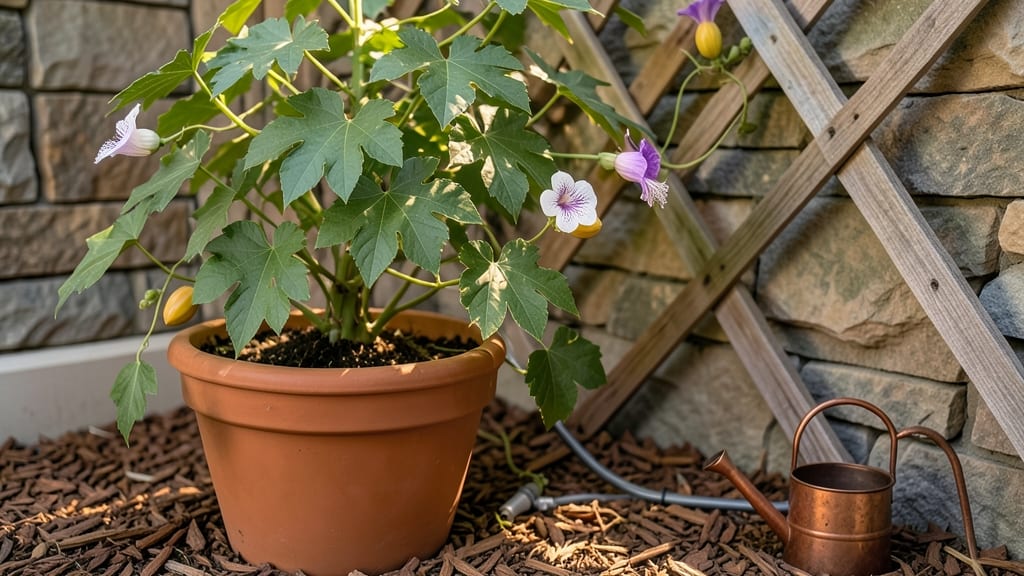
Cultivating passion fruit plants transforms a simple vine into a tropical treasure trove. 🌿 I’ve watched these vigorous climbers go from struggling seedlings to heavy-fruited powerhouses in just two seasons—with the right care, they reward you with exotic, sweet-tart fruit that’s impossible to find in stores.
The key lies in mimicking their natural jungle habitat: warm temperatures, rich soil, and plenty of space to sprawl.
You’ll need a sturdy support system—trellises or strong containers with drainage—and a soil mix that drains well but holds moisture. Passion vines thrive in full sun (6-8 hours daily), but they’ll tolerate partial shade in hot climates.
Overwatering is the fastest way to kill them, so let the top inch of soil dry out between drinks. Fertilize lightly with a balanced formula in spring, then switch to a high-phosphorus blend when flowers appear.
Pruning keeps vines manageable and boosts fruit production. Cut back leggy growth in early spring, and remove dead or crossing stems regularly. The real magic happens when those striking, trumpet-shaped flowers bloom—each one could turn into a golf-ball-sized fruit by fall.
With patience, you’ll harvest enough to share with neighbors (or freeze for smoothies).
Container growing works beautifully for small spaces—just choose a pot at least 10 gallons and upgrade to 15+ for mature plants. In cooler zones, overwinter vines indoors near a sunny window.
The biggest mistake? Skipping winter care or letting vines get root-bound. Once established, these vines are shockingly low-maintenance—just feed, prune, and wait for the harvest.
📚 In This Guide
- What you need
- Instructions
- Tips and common mistakes
- Wrapping up and next steps
What you need
- ● Passion fruit seeds or young plants: Choose Passiflora edulis (purple) or Passiflora ligularis (yellow) varieties. Start with 1-3 seeds or a nursery-bought sapling.
- ● Well-draining potting mix: A blend of 50% coconut coir, 30% perlite, and 20% compost (for containers). For gardens, amend soil with organic matter (e.g., compost or aged manure).
- ● Container (if growing indoors/outdoors): A 5-gallon pot or larger (minimum 12" deep) with drainage holes. For vines, opt for 10+ gallons to accommodate growth.
- ● Support structure: A trellis, arbor, or sturdy fence (6-10 ft tall) to guide vertical growth. Use jute twine or soft ties to secure vines gently.
- ● Fertilizer: A balanced, slow-release fertilizer (10-10-10) or organic options like fish emulsion or worm castings. Apply every 4-6 weeks during growing season.
- ● Watering can or hose with a gentle nozzle: Passion fruit plants need consistent moisture but hate soggy roots.
- ● Pruning shears: Sharp, sterilized shears for trimming dead or overgrown vines.
- ○ Mulch (optional): Straw or wood chips to retain soil moisture and suppress weeds.
- ● pH test kit: Ideal soil pH for passion fruit is 6.0–7.5. Adjust with lime (to raise pH) or sulfur (to lower it) if needed.
- ○ Pest control (optional): Neem oil or insecticidal soap for aphids, spider mites, or whiteflies.
- ● Grow lights (indoor growers): A full-spectrum LED grow light (12+ hours/day) if natural light is limited.
Step-by-Step instructions for thriving passion fruit vines
Here’s how I keep my passion fruit vines lush, productive, and free from common pitfalls—whether in pots or garden beds.
🌱 Step 1: Choose the Right Location and Prepare the Soil
Passion fruit vines thrive in full sun (at least 6-8 hours daily) and well-draining soil with a pH between 6.0 and 7.5. In containers, use a mix of 50% potting soil, 30% perlite, and 20% compost to prevent root rot. For in-ground planting, amend the soil with 2-3 inches of compost and a handful of slow-release fertilizer before planting.
If your soil is heavy clay, mound it into a small hill when planting to improve drainage. Passion fruit roots are shallow but sprawling, so space vines 8-10 feet apart in the garden or use large containers (at least 15 gallons) for potted plants. I always add a thick layer of mulch around the base to retain moisture and suppress weeds.
☀️ Step 2: Water Deeply and Maintain Consistent Moisture
Water passion fruit vines deeply 2-3 times per week during the growing season, ensuring the soil stays evenly moist but not soggy. You’ll know it’s time to water when the top 2 inches of soil feel dry to the touch. Overwatering is the fastest way to kill these vines—root rot sets in quickly in poorly draining soil.
In containers, watering becomes even more critical. I check the soil daily in summer, as pots dry out faster. If the leaves start to curl or droop, it’s a sign of thirst. For in-ground plants, water at the base of the vine to avoid wetting the foliage, which can promote fungal diseases like powdery mildew.
✂️ Step 3: Prune for Airflow and Fruit Production
Pruning is key to keeping passion fruit vines productive. In late winter or early spring, cut back old or weak growth to encourage new, vigorous shoots. Remove any dead, diseased, or crossing branches to improve airflow and reduce pest risks. I also trim back any suckers growing from the base to focus the plant’s energy on fruit production.
During the growing season, pinch off the tips of new growth when vines reach 3-4 feet long to promote bushier growth. This encourages more flowering sites, which means more fruit. Never prune more than one-third of the vine at a time, or you’ll stress the plant. I use clean, sharp pruners and sterilize them with rubbing alcohol between cuts to prevent spreading disease.
🌿 Step 4: Feed and Support for Maximum Yield
Fertilize passion fruit vines every 4-6 weeks during the growing season with a balanced, water-soluble fertilizer (10-10-10 or similar). I mix the fertilizer into the watering can and apply it at half-strength to avoid burning the roots. In late summer, switch to a low-nitrogen, high-phosphorus fertilizer to boost flowering and fruiting.
Support is a must—passion fruit vines can grow 20-30 feet long if left unchecked. Install a strong trellis, arbor, or fence and train the vines to climb using soft ties or twine. I avoid metal staples, as they can damage the bark. As the vines grow, gently weave them through the support structure, guiding them upward and outward to maximize sunlight exposure.
🍈 Step 5: Harvest and Overwinter for Next Year
Passion fruit ripens in late summer to fall, depending on your climate. Harvest when the fruit is fully colored (purple or yellow, depending on the variety) and slightly soft to the touch. Twist gently to detach it from the vine—don’t pull, or you’ll risk damaging the stem. I store ripe fruit in the fridge for up to 2 weeks or use it immediately in smoothies, desserts, or juices.
In colder climates, passion fruit vines are tender perennials and need protection in winter. For container-grown plants, move them indoors to a bright, cool spot (50-60°F) and reduce watering. For in-ground plants, cut back the foliage to 6 inches tall, mulch heavily, and cover with burlap or frost cloth if temperatures drop below 30°F. With proper care, your vines will bounce back strong in spring.
Tips & tricks for thriving passion fruit vines
Between us, these small adjustments can transform your passion fruit vines from struggling survivors to robust producers. The devil’s in the details—especially when it comes to a plant this sensitive to its environment.
Soil Mix Precision: In Step 1, that 50-30-20 mix of potting soil, perlite, and compost isn't just arbitrary—it's about aeration and moisture balance. Too much compost can make your soil too dense, while too little perlite risks compaction. I've seen vines in containers thrive with this ratio, but if you notice yellowing leaves after planting, it's a sign your mix might need more perlite for better drainage. For in-ground planting, that 2-3 inches of compost should be worked into the top 6 inches of soil, not just sprinkled on top.
Watering Technique: The 2-3 times weekly guideline in Step 2 works for average conditions, but your actual needs depend on your climate and container size. In summer heat, I water my container vines daily—just until water runs through the drainage holes. For in-ground plants, morning watering is best to prevent fungal issues. And here's the thing: if your leaves start curling before the top 2 inches of soil are dry, you're likely dealing with underwatering. Passion fruit vines are thirsty plants that hate soggy roots.
Pruning Timing: That one-third rule in Step 3 is non-negotiable, but timing matters just as much. I've learned the hard way that pruning too late in spring can delay fruit production. Aim to finish your late-winter pruning by early March in most climates. During the growing season, when you pinch those tips at 3-4 feet, do it on a cloudy day or late afternoon to reduce stress on the plant. And always sterilize your pruners—rusty tools can introduce fungal infections that spread rapidly through those sprawling vines.
Winter Protection: The 50-60°F indoor range for overwintering container plants is ideal, but don't just shove them in any spare corner. Place them near a south-facing window where they'll get bright, indirect light. For in-ground plants, that 6-inch cutback is crucial—it prevents the crown from rotting under heavy mulch. I've seen vines survive winters with just this protection, but if your area gets colder than 30°F, add a layer of bubble wrap around the base before adding frost cloth. The insulation makes all the difference.
Pro Tips for Passion Fruit Plant Care
- Between us, these small adjustments can transform your passion fruit vines from struggling survivors to robust producers.
- Soil Mix Precision: In Step 1, that 50-30-20 mix of potting soil, perlite, and compost isn't just arbitrary—it's about aeration and moisture balance.
- Watering Technique: The 2-3 times weekly guideline in Step 2 works for average conditions, but your actual needs depend on your climate and container size.
Frequently asked questions
Got questions about growing passion fruit? You’re not alone!
Here are answers to the most common concerns—from pruning to pests and everything in between.
How often should I water my passion fruit plant?
Passion fruit vines thrive with consistent moisture—water deeply 2-3 times per week during hot, dry weather, and adjust for rain. Let the top 2-3 inches of soil dry out between waterings to prevent root rot. Mulch helps retain moisture and keeps roots cool. Pro tip: Morning watering reduces fungal risks!
When and how should I prune my passion fruit vine?
Prune in late winter or early spring to shape the vine and encourage fruiting. Cut back 1/3 of the previous year’s growth to open the plant to sunlight. Remove dead, diseased, or crossing branches regularly. Never prune during fruiting season—it stresses the plant and reduces harvests.
What are the most common pests for passion fruit plants, and how do I treat them?
Watch for aphids, spider mites, and passion vine hoppers. Treat mild infestations with neem oil or insecticidal soap. For severe cases, use pyrethrin-based sprays (follow label instructions). Encourage beneficial insects like ladybugs by planting companion flowers like marigolds.
Can passion fruit plants survive cold weather?
Passion fruit vines are tropical/subtropical and cannot tolerate frost. If temperatures dip below 30°F (-1°C), protect young plants with row covers or move containers indoors. Mature vines may die back but can regrow from the roots if the crown survives. In colder climates, grow in containers for winter relocation.
Why aren’t my passion fruit plants producing fruit?
Common reasons include lack of sunlight, insufficient pollination, or over-pruning. Ensure your vine gets 6+ hours of direct sun daily. Hand-pollinate flowers with a small brush if bees are scarce. Balance pruning—too much cuts back fruiting, but too little leads to tangled, unproductive growth. Pro tip: Fertilize with low-nitrogen, high-potassium mix to boost flowering!
Wrapping up and next steps
Caring for a passion fruit plant is a rewarding journey that brings vibrant blooms, fragrant flowers, and—best of all—sweet, tangy fruit straight to your doorstep! 🌱 Whether you’re growing it in a container or garden, remember that patience, proper sunlight, and consistent care are your best allies.
With the right balance of water, nutrients, and a little pruning love, your vine will thrive and reward you with bountiful harvests.
Ready to take the next step? Start small—plant a seedling or propagate a cutting today! If you’re new to tropical plants, begin with a single container and watch it grow.
Before you know it, you’ll be sharing fresh passion fruit with friends (or turning them into delicious treats!). Happy gardening! 🌟