
Shrubs
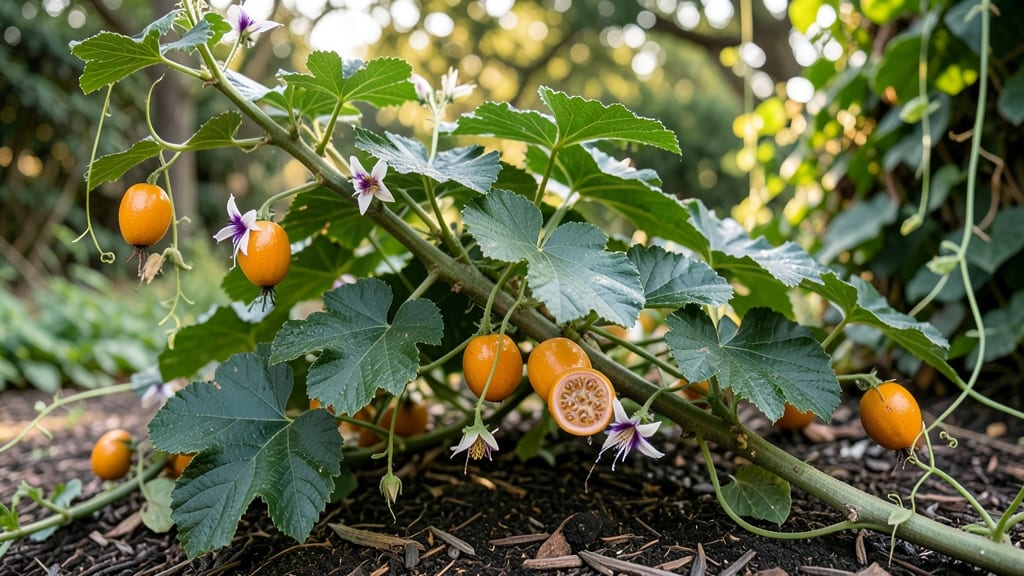
Those vibrant red seeds inside orange passion fruit are your golden ticket to a thriving tropical vine. 🌱 I’ve grown mine from seed for three years now, and the secret to success starts with understanding how to handle those seeds before they even hit the soil.
The journey from seed to fruit is long—sometimes 18 months or more—but the first glimpse of those citrus-scented blooms makes every step worthwhile.
The tricky part? Those red seeds need a warm, moist environment to break dormancy before planting. I’ve learned that soaking them for 24 hours in warm water and then wrapping them in a damp paper towel speeds up germination.
Most seeds sprout within 2-4 weeks if kept consistently warm, though patience is key—some stubborn seeds take twice as long. Once they germinate, treat them like delicate tropical babies: bright indirect light and high humidity are non-negotiable.
By the time your vine reaches the trellis, you’ll be rewarded with glossy, tropical leaves and—eventually—those fragrant, citrusy flowers that smell like a cross between orange and jasmine. The first fruit might take a year, but each harvest after that becomes easier.
The real magic happens when you slice into that bright orange fruit and find fresh, juicy pulp with those same red seeds waiting for their turn to grow.
Container growing makes this vine manageable, even in small spaces. Just be prepared for the vines to stretch 10-15 feet if given room, and watch for pests like aphids that love tender new growth.
With the right care, your passion fruit vine will thrive, producing fruit year after year—long after most gardeners have given up.
📚 In This Guide
- What you need
- Instructions
- Tips and common mistakes
- Wrapping up and next steps
What you need
- ● Passion fruit seeds: 3–5 orange passion fruit (Passiflora edulis) seeds with red seeds (available online or from nurseries).
- ● Growing containers: 2–3 large pots (12–18 inches in diameter) with drainage holes, or a raised bed if planting outdoors.
- ● Potting mix: 5–10 gallons of well-draining, peat-free tropical potting soil (mix in perlite or coconut coir for aeration).
- ● Fertilizer: Slow-release citrus/tropical plant fertilizer (10-10-10 or 14-14-14 NPK ratio) or organic compost.
- ● Support structure: A sturdy trellis, bamboo stakes, or a tomato cage (6+ feet tall) for vining.
- ● Watering can or hose: With a gentle spray nozzle for moisture control.
- ● Pruning shears: Sharp, sterilized shears for trimming.
- ○ Mulch (optional): Shredded bark or straw to retain soil moisture.
- ● Climate: USDA Zones 8–11 (or indoors in cooler zones with grow lights).
- ● Sunlight: Full sun (6+ hours daily)—partial shade in extreme heat.
- ● Temperature: Ideal range: 70–85°F (21–29°C). Protect from frost!
- ● Humidity: Moderate to high (mist leaves occasionally if indoors).
- ● Water access: Drip irrigation or a watering schedule (keep soil evenly moist, not soggy).
Step-by-step instructions for growing orange passion fruit in containers
Here's how to grow this vibrant, citrus-scented vine with bold red seeds—perfect for small spaces.
🪴 Step 1: Choose the Right Container and Soil Mix
Passion fruit vines need room to sprawl, so select a 5-gallon container with drainage holes for each plant. I use well-draining potting mix blended with 20% perlite to prevent soggy roots—this vine hates wet feet. Fill the pot to 2 inches below the rim, leaving space for watering.
Tap the container gently to settle the soil, then water it thoroughly until moisture runs freely from the drainage holes. This ensures the mix is evenly damp before planting. A south-facing window or grow light keeps roots happy during establishment.
🌱 Step 2: Plant Your Cuttings or Seeds
If using seeds, soak them in warm water for 24 hours to soften the tough outer shell—this speeds up germination. Plant ½ inch deep in the prepared soil, spacing seeds 6 inches apart if starting multiple vines in one container. For cuttings, dip the base in rooting hormone and insert into the soil at a 45-degree angle.
Cover lightly with additional soil and mist gently with water. Passion fruit seeds can take 3-4 weeks to sprout, so patience is key. Keep the soil consistently moist (not soggy) and place the container in a warm spot (70-80°F) until germination.
☀️ Step 3: Provide Full Sun and Support
Once seedlings emerge, move them to a location with 6+ hours of direct sunlight daily. A trellis or sturdy wire cage helps the vine climb—passion fruit can grow 15-20 feet in a season! Secure the vine gently with soft ties to avoid damaging tender stems.
Water deeply 2-3 times per week, letting the top 2 inches of soil dry between waterings. Overwatering causes root rot, so always check moisture before adding more. Fertilize every 4-6 weeks with a balanced citrus fertilizer to encourage lush growth and sweet fruit.
✂️ Step 4: Prune and Encourage Fruit Production
When the vine reaches 4-5 feet, pinch back the tips to promote bushier growth. Remove any yellow or diseased leaves immediately—they spread quickly. Passion fruit blooms on new growth, so pruning in early spring keeps the plant productive.
Watch for white or purple flowers—they appear 6-12 months after planting. Hand-pollinate by gently shaking the vine or using a small brush to transfer pollen. Fruit takes 90-120 days to ripen, so mark the date when flowers appear to track maturity.
🍊 Step 5: Harvest and Overwinter (If Needed)
Harvest when fruit turns deep orange and feels slightly soft to the touch. Twist gently to remove—resist pulling, or you’ll damage the vine. The red seeds inside are edible and packed with flavor! Store fruit at room temperature for up to 2 weeks or refrigerate for longer shelf life.
If frost threatens, bring containers indoors before temperatures drop below 40°F. Passion fruit is tropical—it won’t survive freezing. Reduce watering in winter but keep the soil lightly moist. With care, your vine can live for years, producing fruit annually.
Tips & tricks for growing orange passion fruit in containers
A few simple strategies will help your passion fruit vine thrive and produce delicious fruit year after year.
Container Size Matters: That 5-gallon container recommendation isn't arbitrary—passion fruit roots spread aggressively. If you're tempted to use a smaller pot, think again. Roots need space to establish before the vine starts climbing. I've seen vines in 3-gallon pots struggle with stunted growth and poor fruit production. For best results, stick with the 5-gallon minimum and consider upgrading to 7 gallons if you want a more vigorous plant.
Germination Hack: The 24-hour warm water soak for seeds is non-negotiable, but here's what nobody tells you—after soaking, rinse the seeds thoroughly to remove any residual soap or chemical residue from the fruit. Then, place them between damp paper towels in a sealed bag for 2-3 days before planting. This jump-starts germination by mimicking tropical conditions. I've had seeds sprout in just 5-7 days using this method instead of waiting the full 3-4 weeks.
Support System Secrets: When setting up your trellis or cage, don't just attach it to the container—secure it to a nearby sturdy post or wall. Passion fruit vines can reach 15-20 feet, and their weight will eventually pull containers over. I've seen containers tip during storms because the vine's weight wasn't properly distributed. Use soft plant ties to secure the vine every 12-18 inches as it grows, and always tie to the support, not just the container.
Fertilizer Timing: The instructions mention fertilizing every 4-6 weeks, but timing matters. Apply your first fertilizer dose 4-6 weeks after planting, then continue the schedule. However, stop fertilizing completely 6-8 weeks before your expected harvest date. This shift encourages the plant to focus energy on fruit development rather than leaf growth. I've noticed a significant increase in fruit size and sweetness when I follow this timing pattern.
Pro Tips for Orange Passion Fruit Red Seeds
- A few simple strategies will help your passion fruit vine thrive and produce delicious fruit year after year.
- Container Size Matters: That 5-gallon container recommendation isn't arbitrary—passion fruit roots spread aggressively.
- Germination Hack: The 24-hour warm water soak for seeds is non-negotiable, but here's what nobody tells you—after soaking, rinse the seeds thoroughly to remove any residual soap or chemical residue from the fruit.
Frequently asked questions
Why does my orange passion fruit have red seeds instead of black?
The red seeds in orange passion fruit (Passiflora edulis) are completely normal! While purple passion fruit typically has black seeds, the orange variety’s seeds turn red as they mature. This is a natural variation—no cause for concern. Just wait for the fruit to ripen fully for the best flavor and color.
How long does it take for orange passion fruit to bear fruit?
Patience is key! Orange passion fruit vines usually take 1–2 years to produce fruit from seeds, but grafted plants may fruit in as little as 6–12 months. Ensure your vine gets full sun (6+ hours daily), well-draining soil, and consistent watering to speed up the process. Cold snaps can delay fruiting, so protect young plants in chilly climates.
Can I grow orange passion fruit in containers, and what size pot do I need?
Orange passion fruit thrives in containers, making it perfect for patios or small spaces. Use a 15–20 gallon pot (at least 18" deep) with drainage holes. Choose a lightweight, breathable mix (like cactus/succulent blend) and upgrade to a larger pot every 2–3 years as the vine grows. Just remember: bigger roots = bigger fruit!
What pests or diseases should I watch for with orange passion fruit?
Common issues include aphids, mealybugs, and spider mites—all of which can stress your vine. For mild infestations, spray with neem oil or insecticidal soap. Fungal diseases like root rot or powdery mildew thrive in soggy soil, so avoid overwatering and ensure airflow. Prune regularly to reduce humidity-related risks.
Are the red seeds in orange passion fruit edible, and how do I use them?
Yes! The red seeds are edible and packed with nutrients—just like the black seeds in purple passion fruit. They’re crunchy and slightly peppery, adding texture to smoothies, desserts, or even salads. To use them, scoop the pulp and seeds from ripe fruit, rinse, and blend or eat fresh. Pro tip: Freeze excess seeds in ice cube trays for later use in recipes!
Wrapping up and next steps
Growing orange passion fruit with red seeds is a rewarding journey that brings vibrant color, exotic flavor, and a touch of tropical charm to your space—even in containers! 🌱 With the right soil, sunlight, and care, you’ll enjoy lush vines, fragrant blooms, and sweet, tangy fruits in no time.
Whether you're a beginner or a seasoned gardener, this citrus-tropical vine is a fantastic addition to your garden.
Now that you’re armed with the how-to, why not take the next step? Start with a cutting or young plant, and soon you’ll be harvesting your own passion fruit—perfect for juices, desserts, or fresh snacking. Happy growing! 🌟