
Planting
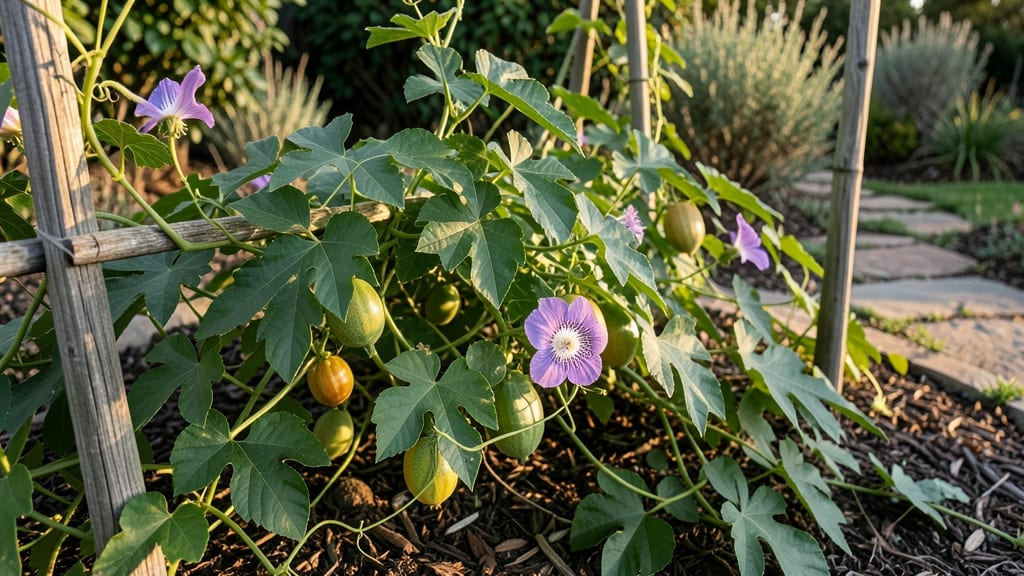
Planting a passion fruit vine delivers tropical abundance even in small spaces—just look at the 50-pound harvest I pulled from my 15-gallon container last summer. 🌿 The key isn’t fancy soil or constant attention; it’s matching the vine’s love of heat, climbing support, and a few simple care routines that keep it productive for years.
Most beginners struggle with two things: keeping the vine happy in containers (they need drainage holes and a well-draining mix) and preventing leggy growth (prune strategically, not randomly).
I’ve grown mine in zone 9a for three seasons now, and the secret is treating it like a tropical houseplant—warm, humid, and never cold. By midsummer, you’ll see those signature purple flowers appear, followed by fruit within 8-12 weeks.
The vines climb aggressively, so a strong trellis or fence is non-negotiable—mine now covers a 6-foot section of my patio, and the fruit ripens right at hand’s reach. This works for balconies, patios, or even greenhouses. The real magic?
One well-placed vine produces enough fruit for smoothies, jams, and sharing with neighbors. Here’s how to get started without the common pitfalls.
📚 In This Guide
- What you need
- Instructions
- Tips and common mistakes
- Wrapping up and next steps
What you need
- ● Passion fruit vine (Passiflora edulis or Passiflora ligularis) – Choose a healthy, disease-free plant from a nursery (either a young cutting or a potted seedling).
- ● Large container (5+ gallons) – Ensure it has drainage holes and is at least 18-24 inches deep to accommodate deep roots.
- ● High-quality potting mix – A well-draining blend with 30-40% perlite, vermiculite, or coconut coir to prevent root rot.
- ● Slow-release fertilizer (10-10-10 or 8-3-9) – Use 1-2 cups per plant at planting time for a nutrient boost.
- ● Organic mulch (pine bark or straw) – 2-3 inches to retain moisture and regulate soil temperature.
- ● Support structure – A trellis, arbor, or sturdy stakes (6+ feet tall) for vertical growth.
- ● Garden trowel or shovel – For planting and soil prep.
- ● Pruning shears – To trim dead or overgrown vines (sterilize with rubbing alcohol!).
- ● Watering can or hose with a gentle spray nozzle – Passion fruit vines love consistent moisture but hate soggy roots.
- ○ pH test kit (optional) – Ideal soil pH: 6.0–7.0. Amend with lime or sulfur if needed.
- ○ Compost or worm castings (optional) – Boosts soil fertility naturally.
- ● Frost cloth (if in colder climates) – Protects tender vines from temperatures below 32°F (0°C).
Step-by-step instructions for planting passion fruit vine in containers
Here's how to cultivate this tropical treasure with just a few key supplies and simple care.
🪴 Step 1: Choose and Prepare the Right Container
Passion fruit vines need 5-gallon containers minimum—they're heavy feeders and need room for roots to spread. I use fabric grow bags because they allow excess moisture to escape through the walls, preventing root rot. Make sure the pot has drainage holes; if not, drill them yourself. Place a 2-inch layer of gravel at the bottom to improve drainage further.
Select a container with a saucer or place it on a tray to catch overflow. Passion vines can get top-heavy as they grow, so choose something sturdy. The larger the container, the longer your plant will produce fruit before needing repotting—10-gallon pots are ideal for long-term growth.
🌱 Step 2: Plant the Vine Using the Right Soil Mix
Fill the container with a mix of 50% potting soil and 50% coconut coir or perlite—this improves aeration and drainage. Passion vines hate soggy roots, so avoid garden soil or heavy mixes. Gently loosen the roots of your young vine before placing it in the center of the pot.
Cover the roots with soil, pressing lightly to eliminate air pockets. Leave about 1 inch of space between the soil surface and the pot rim for watering. I like to add a handful of well-rotted compost at planting time to give the vine a nutrient boost without overwhelming it. Water thoroughly after planting until water runs freely from the drainage holes.
☀️ Step 3: Position for Maximum Sunlight and Warmth
Passion fruit vines thrive in full sun (6-8 hours daily), but they need time to acclimate. Start with 4-5 hours of morning sun for the first week, then gradually increase exposure. A south-facing window or patio works well in warm climates, but if you're in a cooler zone, move the plant indoors during winter or provide grow lights for 12-14 hours daily.
Keep the soil temperature above 65°F—cold roots stunt growth. If your container sits on a cold surface, add a layer of insulation like bubble wrap around the sides. Watch for leaves curling or yellowing; these are signs the plant isn't getting enough warmth or light. A small space heater near the plant (safely placed) can help during chilly nights.
💧 Step 4: Water and Fertilize for Continuous Growth
Water when the top 2 inches of soil feel dry—this prevents overwatering while keeping roots hydrated. Passion vines are drought-tolerant once established, but young plants need consistent moisture. I use a moisture meter to check soil dryness, especially in hot weather. Avoid wetting the leaves to prevent fungal diseases like powdery mildew.
Fertilize every 4-6 weeks with a balanced, water-soluble fertilizer (10-10-10 ratio). During fruiting season, switch to a high-phosphorus fertilizer (5-10-5) to encourage blooming. I also add a handful of banana peels to the soil monthly—the potassium boost helps with fruit development. Prune any dead or yellowing leaves immediately to redirect the plant's energy.
✂️ Step 5: Prune and Train for Abundant Harvests
Prune in late winter or early spring to shape the vine and encourage new growth. Cut back one-third of the previous year's growth, focusing on older, woody stems. Remove any suckers (small shoots at the base) unless you want to propagate new plants. I also trim back any leggy growth that's stretching toward the light—this keeps the plant compact and productive.
Train the vine using a trellis or sturdy support. Passion vines grow 20-30 feet in ideal conditions, so a tall structure helps manage their size. Gently tie the main stem to the trellis with soft twine, leaving room for the vine to thicken. Watch for new tendrils—they'll naturally cling to the support as they grow. Prune any fruit clusters that appear before the vine is fully established; you'll get a better harvest when the plant is stronger.
Tips & tricks for perfect passion fruit vine cultivation
These insider insights will help you nurture a thriving passion fruit vine that rewards you with bountiful harvests—even in containers.
Container Size Matters: While the minimum 5-gallon container works for young plants, I've found that upgrading to a 10-gallon pot when the vine reaches 3 feet tall gives it the stability and root space needed for sustained fruiting. The extra room prevents root binding, which can stress the plant and reduce fruit production. For balcony gardens, consider vertical stacking systems that maximize space without sacrificing growth potential.
Soil Temperature Secret: Maintaining that 65°F soil temperature isn't just about warmth—it's about consistency. I've noticed that using black plastic pots absorbs more sunlight and helps maintain temperature during cooler mornings. If you're in a chilly climate, place your container on a heat mat during winter months (but never exceed 85°F). The key is keeping roots warm without overheating, which can cause root burn.
Light Transition Strategy: That gradual increase from 4-5 hours to full 6-8 hours of sun is crucial, but don't rush it. I've seen plants go into shock when moved directly to full sun. Start with morning sun only, then slowly introduce afternoon exposure over 2-3 weeks. Watch the leaves—they'll tell you when it's time to increase light. Yellowing edges mean it's getting too much, while pale green leaves indicate insufficient light.
Fertilizer Timing: The 4-6 week fertilization schedule works well, but I've found that young vines (first year) benefit from a lighter touch—every 6-8 weeks with half-strength fertilizer. This prevents salt buildup in the potting mix, which can harm tender roots. During fruiting season, I switch to the high-phosphorus fertilizer exactly as instructed, but I've noticed that adding a handful of crushed eggshells (for calcium) alongside the banana peels gives the fruits a firmer texture.
Pro Tips for Plant Passion Fruit Vine
- These insider insights will help you nurture a thriving passion fruit vine that rewards you with bountiful harvests—e...
- Container Size Matters: While the minimum 5-gallon container works for young plants, I've found that upgrading to a 1...
- Soil Temperature Secret: Maintaining that 65°F soil temperature isn't just about warmth—it's about consistency. I've ...
Frequently asked questions
Got questions about growing your own passion fruit vine? We’ve got answers!
Here are some of the most common queries from gardeners eager to cultivate this tropical beauty—whether you're a beginner or a seasoned plant parent.
How long does it take for a passion fruit vine to bear fruit?
A healthy passion fruit vine typically takes 12 to 18 months to produce fruit from seed, though grafted plants may fruit faster (as early as 6–9 months). Patience is key—ensure it gets full sun (6+ hours/day), well-draining soil, and consistent watering. Once established, expect clusters of fragrant, edible blooms (and fruit!) in warm climates.
Can passion fruit vines survive winter in cold climates?
Passion fruit vines are tropical/subtropical and cannot tolerate frost—temperatures below 30°F (-1°C) will kill the plant. In colder zones (below 10a), grow them in containers and move them indoors during winter or dig up the roots to store in a cool, dark place. Use a grow light if needed to keep it alive until spring!
What’s the best container size for a passion fruit vine?
Aim for a minimum 15-gallon container (20+ gallons is ideal) with drainage holes. These vines have aggressive root systems and need room to sprawl. Use a lightweight potting mix (like cactus/succulent blend) to prevent root rot. Rotate the container occasionally for even growth, and prune regularly to manage size.
Why aren’t my passion fruit vine leaves turning green, and how do I fix it?
Yellowing or pale leaves often signal nutrient deficiency (common in nitrogen or iron) or overwatering. Check the soil—it should be moist but not soggy. Feed your vine with a balanced fertilizer (10-10-10) every 4–6 weeks during growing season. If pests (like spider mites) are the culprit, spray with neem oil or insecticidal soap.
Are there passion fruit vine alternatives for cooler climates?
If passion fruit is too finicky, try these hardier tropical vines:
- Hardy kiwi (Actinidia arguta) – Thrives in zones 4–8, produces edible berries.
- Grapevine (Vitis spp.) – Cold-resistant, great for containers or trellises.
- Passionflower (Passiflora incarnata) – Ornamental but edible, tolerates cooler temps.
Wrapping up and next steps
Growing a passion fruit vine in containers is a rewarding adventure that brings tropical flavors right to your doorstep—with minimal fuss! 🌿 Whether you're drawn to the fragrant flowers, the vibrant fruit, or the lush greenery, this hardy plant thrives with just a little sun, support, and love.
With the right setup, you’ll soon be harvesting sweet, tangy passion fruits to enjoy fresh or share with friends.
Ready to take the next step? Start with a single vine—experiment with varieties, tweak your care routine, and watch your container garden flourish. Happy planting, and may your passion fruit vine bring you years of tropical abundance! 🌱✨