
Shrubs
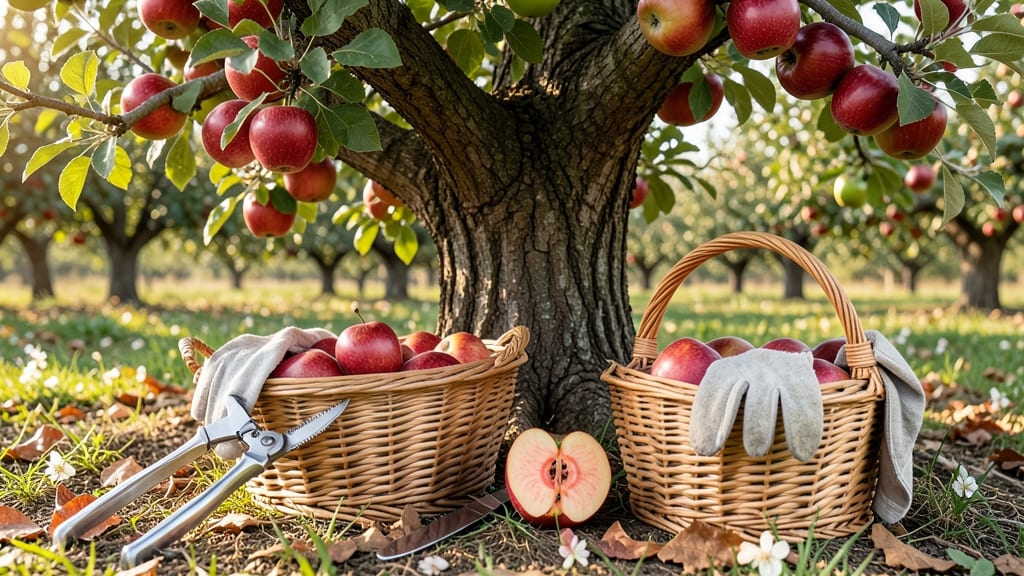
Fruits with red inside add a stunning pop of color to your harvest—think watermelon, red-fleshed apples, or even dragon fruit. 🌿 I’ve grown several varieties in containers, and the secret to vibrant red interiors lies in sunlight, soil pH, and variety selection.
Some fruits naturally develop deeper red hues when fully ripe, while others need specific growing conditions to trigger that signature color.
The most striking red-fleshed fruits thrive in full sun (6+ hours daily) and well-draining soil with a slightly acidic pH (6.0-6.5). Watermelons, for example, need warm soil to develop their signature red flesh, while apples like ‘Red Delicious’ or ‘Gala’ produce deeper red interiors with proper thinning and sunlight.
Dragon fruit, on the other hand, prefers mild climates and benefits from a trellis to support its heavy fruit.
By the time harvest season rolls around, you’ll be rewarded with juicy, visually stunning fruit that stands out in any kitchen. The red pigment isn’t just beautiful—it often signals higher antioxidant levels, making these fruits a nutritional powerhouse.
Plus, container-growing means you can experiment with varieties without committing to a full garden bed.
Whether you’re growing in pots on a balcony or a small backyard plot, these tips will help you cultivate bold, red-fleshed fruit that’s as delicious as it is eye-catching. Let’s get those plants producing!
Natural Pigments At Work
The vibrant red hues inside certain fruits aren’t just a visual treat—they’re a fascinating result of nature’s chemistry. These colors often stem from anthocyanins, powerful antioxidants that protect plants from environmental stressors.
But why do some fruits develop this striking red interior while others don’t? Let’s break down the science behind it.
Anthocyanins are water-soluble pigments that give fruits like apples, cherries, and even some berries their deep red, purple, or pink interiors. These compounds form when specific genes activate in response to:
- Sunlight exposure: UV rays trigger anthocyanin production as a natural sunscreen for the fruit.
- Temperature fluctuations: Cooler nights or chilly climates can boost anthocyanin levels.
- Nutrient availability: High levels of phosphorus, nitrogen, and certain micronutrients encourage pigment development.
Pro tip: 🌡️ If you’re growing fruits prone to red interiors (like Malus or Prunus varieties), ensure they get 6–8 hours of sunlight daily and well-draining soil rich in organic matter.
Some fruit varieties are genetically programmed to develop red interiors, while others never will. For example:
| Fruit Type | Red Interior Likelihood | Why It Happens |
|---|---|---|
| Apples (e.g., 'Red Delicious', 'Gala') | ✅ High | Bred for anthocyanin-rich flesh as a selling point. |
| Cherries (e.g., 'Stella', 'Rainier') | ✅ High | Natural mutation or selective breeding enhances pigmentation. |
| Plums (e.g., 'Santa Rosa') | ⚠️ Moderate | Depends on ripeness and sunlight exposure. |
| Pears (most varieties) | ❌ Low | Lack the genetic pathways for anthocyanin production. |
If you’re growing from seeds or grafts, choose varieties known for red interiors—genetics play the biggest role!
Sometimes, red interiors develop as a defense mechanism against stress. Common triggers include:
- Cold snaps: A sudden drop in temperature can spike anthocyanin production in developing fruit.
- Drought conditions: Water stress forces plants to concentrate pigments as a protective layer.
- High light intensity: Too much direct sun can cause overproduction of these pigments.
Watch out: 🌪️ If your container-grown fruits start showing uneven red patches, it may signal nutrient deficiency or poor watering. Adjust care to balance stress and growth.
The acidity or alkalinity of the soil can directly impact pigment visibility. Anthocyanins change color based on pH:
- Acidic soil (pH 5.0–6.0): Enhances deep red/purple hues.
- Neutral/alkaline soil (pH 7.0+): Can mute colors to pink or pale tones.
Test your soil’s pH and amend with sulfur (to lower pH) or lime (to raise it) if you want to control the intensity of red inside your fruit.
Fixing Red Interior Fruit Issues
Now that you know why your fruit turns red inside, let’s tackle the fixes—whether you’re dealing with overripe produce, disease, or environmental stress. These solutions are practical, easy to follow, and designed to keep your harvest vibrant and healthy.
If your fruit develops red streaks or flesh due to ripening too early or too late, timing is key.
H3: 📅 Harvest at Peak Ripeness
- 🔍 Check firmness and color first. Gently squeeze the fruit—if it yields slightly but doesn’t feel mushy, it’s ready.
- 🌡️ Monitor temperature—some fruits (like tomatoes or peppers) need warm but not scorching conditions to ripen evenly.
- ⏰ Pick consistently—don’t let fruit linger on the vine or in the container. Overripe fruit can develop uneven red hues or soft spots.
💡 Pro Tip: If your fruit is ripening too fast, try harvesting slightly earlier and letting it finish indoors in a cool, dry place.
Red streaks or discoloration inside fruit can signal rot or disease. Act quickly to prevent spread.
H3: 🧼 Sterilize Tools and Containers
- 🔪 Disinfect pruners and knives with rubbing alcohol or a 10% bleach solution before and after use.
- 🌱 Remove infected fruit immediately—don’t compost it; toss it in the trash to avoid contaminating soil.
- 💦 Water at the base of plants (not overhead) to keep foliage dry and reduce fungal spores.
H3: 🌿 Boost Plant Health
- 💪 Strengthen immunity with balanced fertilizer (high in potassium and phosphorus) to help plants fight infections.
- 🌿 Prune for airflow—thin out crowded branches to improve circulation and dryness.
- 🍄 Use organic fungicides (like neem oil or copper spray) if infections persist.
💡 Pro Tip: If red streaks appear after harvest, the issue may be storage-related—check humidity and temperature (most fruits prefer 40–50% humidity and 40–50°F).
Extreme temperatures can cause red discoloration in fruit flesh, especially in heat-sensitive varieties.
H3: 🌞 Shield from Scorching Sun
- 🏠 Use shade cloth (30–50% coverage) during peak afternoon sun if your area gets intense heat.
- 💧 Mulch heavily to keep roots cool—straw or wood chips work well.
- 🌿 Choose heat-tolerant varieties if you live in a hot climate (e.g., ‘Solar Fire’ peppers or ‘Heatmaster’ tomatoes).
H3: 🥶 Protect from Frost or Chill
- 🛡️ Cover plants with frost blankets if temperatures dip below 50°F at night.
- 🏡 Move containers indoors (or to a greenhouse) if frost is forecasted.
- 🌱 Avoid cold drafts—keep potted plants away from AC vents or open windows.
💡 Pro Tip: If your fruit develops red blotches from stress, it’s often a sign of sunburn or chilling injury—prevention is easier than fixing damaged fruit.
Poor soil health can lead to weak fruit with odd discoloration. A quick soil check can save your harvest.
H3: 📊 Test Soil pH and Nutrients
- 🧪 Use a soil test kit (available at garden centers) to check pH—most fruiting plants prefer 6.0–7.0.
- 🍽️ Balance nutrients—too much nitrogen = leafy growth, not fruit; too little potassium = weak cell walls (leading to rot or discoloration).
- 🌿 Amend soil with compost or aged manure if it’s too sandy or clay-heavy.
H3: 💧 Water Wisely
- 🚰 Avoid soggy soil—overwatering can cause root rot, which stresses plants and leads to red-spotted fruit.
- 💧 Water deeply but infrequently—aim for 1–2 inches per week, depending on your climate.
- 🌧️ Use drip irrigation to keep moisture consistent and foliage dry.
💡 Pro Tip: If your fruit is small and red-streaked, it might be starving for calcium—add crushed eggshells or lime to the soil to prevent blossom-end rot (common in tomatoes and peppers).
Keep these habits to avoid red interior fruit issues: ✅ Harvest regularly—don’t let fruit overripe on the plant. ✅ Inspect plants weekly for pests, mold, or stress signs. ✅ Rotate crops—don’t plant the same fruit in the same container yearly to prevent soil-borne diseases. ✅ Store fruit properly—some fruits (like apples) release ethylene gas, which can speed up ripening in others.
Store them separately. ✅ Choose disease-resistant varieties—ask at local nurseries for recommendations tailored to your climate.
With these fixes, your fruit should stay firm, flavorful, and free of unsightly red streaks. Happy growing! 🌱🍓
Frequently asked questions
Which fruits naturally have red flesh inside?
Some of the most striking fruits with red interiors include watermelon, red-fleshed apples (like 'Red Delicious'), cherries, dragon fruit, and certain plums. These varieties develop their signature red hues due to anthocyanins, which are triggered by sunlight, temperature, and soil conditions.
Can I grow these fruits in containers?
Many red-fleshed fruits thrive in containers, including dwarf apple trees, cherry tomatoes, and mini watermelon varieties. Just ensure your pots are at least 12–18 inches deep with drainage holes, and use well-draining soil. Dragon fruit also grows well in containers with proper trellis support.
Why does my fruit have red streaks instead of solid red flesh?
Uneven red streaks often signal stress or ripening issues. Overripe fruit, temperature fluctuations, or poor soil pH can cause inconsistent pigmentation. To fix this, harvest at peak ripeness, ensure 6–8 hours of sunlight daily, and maintain soil pH between 6.0–6.5 for optimal anthocyanin development.
Are red-fleshed fruits more nutritious?
Yes! The red pigment comes from anthocyanins, which are powerful antioxidants linked to heart health and anti-inflammatory benefits. Fruits like red-fleshed apples and cherries often have higher antioxidant levels than their green or yellow counterparts, making them a great addition to a healthy diet.