
Plants
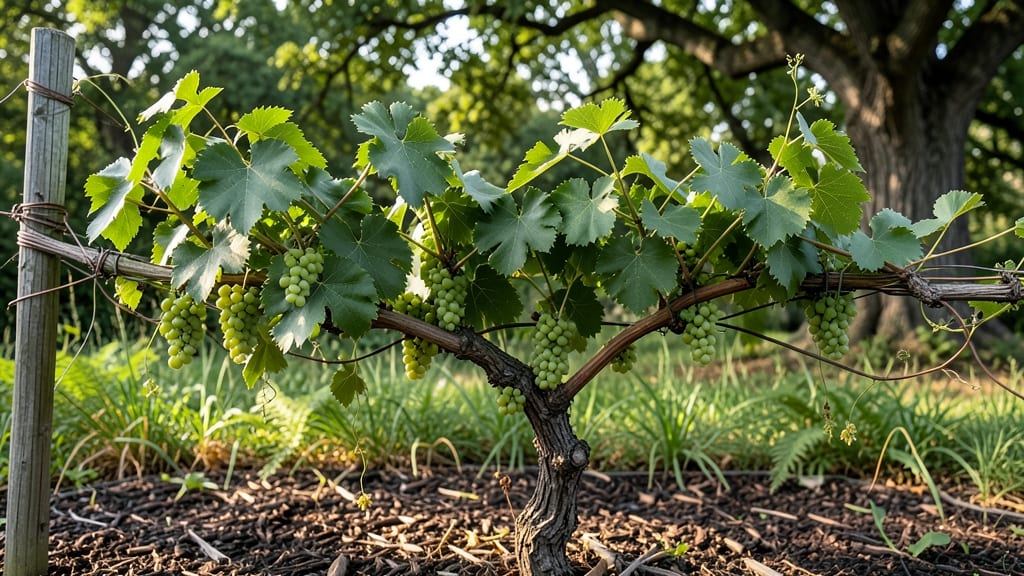
Growing green round fruit on vines is the fastest way to turn a sunny corner into your own food factory. 🌿 I’ve grown everything from sweet cucumbers to juicy melons in just a few seasons, and the key isn’t fancy equipment—it’s sunlight, space, and a little patience.
These vines thrive in 6+ hours of direct sun, so even small patios or balconies work if you pick the right varieties.
The magic happens when you match the plant to its needs: cucumbers love warm soil and consistent water, while melons prefer drier conditions once they start fruiting. Pruning isn’t just about shaping—it’s about directing energy to bigger, sweeter fruit.
I’ve learned the hard way that overcrowding leads to bitter produce, so spacing matters more than you’d think.
By mid-summer, you’ll be harvesting crisp, vine-ripened fruit that tastes nothing like the store-bought version. The vines keep producing all season if you stay on top of watering and pest control, and the best part? You’ll save money while enjoying fresh, homegrown goodness straight from the plant.
Whether you’re growing for salads, snacks, or just the joy of watching fruit swell on the vine, this guide covers the easiest varieties and common pitfalls to avoid. Let’s get those vines climbing!
Why Fruits Stay Green On The Vine
When you’re eagerly waiting for those juicy, ripe fruits to turn from green to their vibrant, ready-to-eat colors, it can be frustrating when they stubbornly refuse to change. But why does this happen? The answer often lies in a mix of environmental factors, plant biology, and even human intervention.
Let’s break down the key reasons your round fruits on the vine are staying green—and what you can do about it.
Fruits rely on sunlight to trigger the chemical processes that signal ripening. Without enough light, they stay green because chlorophyll—the pigment responsible for that unripe color—lingers.
Chlorophyll breaks down as other pigments (like lycopene in tomatoes or carotenoids in peppers) take over, but this only happens with proper sunlight exposure.
Why it happens:
- Shade issues: If your vine is planted under trees, near tall structures, or in a north-facing spot (in the Northern Hemisphere), it may not get the 6–8 hours of direct sunlight most fruiting plants need.
- Overcrowding: Dense foliage can block light from reaching the fruits, especially in sprawling vines like cucumbers or melons.
- Seasonal changes: Short summer days or early/late planting can delay ripening.
Actionable fix:
- 🔥 Relocate vines to a sunnier spot if possible.
- 🍳 Prune leaves around fruits to improve air circulation and light penetration (but don’t overdo it—too much pruning reduces photosynthesis).
- 🌡️ Use reflective surfaces like white mulch or mirrors to bounce extra light onto the plants.
Water plays a crucial role in fruit ripening. Too little or too much can disrupt the plant’s ability to produce the enzymes needed for color change. While fruits need consistent moisture, extremes throw off their natural ripening timeline.
Why it happens:
- Drought stress: When soil dries out, the plant prioritizes survival over fruit maturation, keeping chlorophyll active.
- Overwatering: Soggy roots can’t absorb nutrients efficiently, leading to poor fruit development and delayed ripening.
- Inconsistent watering: Fluctuating moisture levels confuse the plant’s metabolic processes.
Actionable fix:
- ⏰ Water deeply but infrequently—aim for 1–1.5 inches per week, adjusting for climate.
- 🌡️ Use mulch to retain soil moisture and regulate temperature.
- 💡 Check soil moisture by sticking your finger 1–2 inches deep; water when it’s dry.
Fruits have ideal temperature ranges for ripening. If it’s too hot or too cold, the biochemical processes that trigger color change slow down or stall entirely. Some varieties are also sensitive to frost or heatwaves.
Why it happens:
- Cool nights: Many fruits need a day-night temperature shift (e.g., warm days, cooler nights) to ripen properly. If nights stay too warm, ripening halts.
- Heatwaves: Extreme heat can cause fruits to sunburn or drop prematurely before ripening.
- Early/late frosts: Cold snaps can shock the plant, delaying or preventing ripening.
Actionable fix:
- 🌡️ Monitor local forecasts and protect vines with row covers or cloches during unexpected cold snaps.
- 🌿 Choose heat-tolerant varieties if you live in a hot climate (e.g., ‘Solar Fire’ peppers or ‘Heatmaster’ tomatoes).
- 💡 Use shade cloth (30–50% coverage) during peak summer to prevent overheating.
Fruits need a balanced diet of nutrients to mature properly. Deficiencies—especially in potassium, phosphorus, or magnesium—can lead to poor color development and stunted ripening.
Why it happens:
- Potassium deficiency: Leads to weak cell walls and delayed ripening (fruits stay green and may develop brown spots).
- Nitrogen excess: While nitrogen promotes leafy growth, too much can delay fruiting and ripening as the plant focuses on foliage.
- Magnesium or calcium issues: Can cause blossom end rot (in tomatoes/peppers) or poor fruit set.
Actionable fix:
- 📊 Test your soil (a simple DIY kit or lab test) to identify deficiencies.
- 💪 Amend soil with compost or balanced fertilizer (look for a 5-10-10 or 10-10-10 NPK ratio for fruiting plants).
- ✨ Avoid over-fertilizing with nitrogen—switch to a low-nitrogen, high-potassium formula (like 0-10-10) when fruits appear.
Not all fruits are created equal—and some varieties simply ripen slower or stay green longer due to their genetic makeup. Heirloom or hybrid varieties may have different ripening triggers than their conventional counterparts.
Why it happens:
- Slow-ripening breeds: Some tomatoes (like ‘Brandywine’) or peppers take 80–100 days to ripen, even in ideal conditions.
- Climacteric vs. non-climacteric fruits:
- Climacteric fruits (tomatoes, peppers, melons) produce ethylene gas to ripen and can be triggered to ripen off the vine.
- Non-climacteric fruits (strawberries, grapes, citrus) won’t ripen further once picked and must ripen fully on the plant.
- Pollination issues: Some self-pollinating varieties (like cucumbers) may need hand-pollination if bees are scarce.
Actionable fix:
- 🎯 Choose fast-ripening varieties if you have a short growing season (e.g., ‘Early Girl’ tomatoes or ‘Jalapeño M’ peppers).
- 👨🍳 Hand-pollinate if needed: Gently shake vines or use a small brush to transfer pollen.
- 💡 Harvest early and ripen indoors for climacteric fruits (e.g., place green tomatoes in a paper bag with a banana to speed up ripening).
Fixing Common Vine Fruit Issues
When your green round fruit on vine isn’t thriving, quick action can save your harvest. Below are practical, step-by-step solutions tailored to the most common problems—plus prevention tips to keep your plants happy year-round.
If your fruit stays green longer than expected or ripens unevenly, the issue is often maturity timing or light exposure.
How to Fix It:
- 🔍 Check ripeness cues: Gently squeeze the fruit—it should yield slightly but not feel mushy. A shift in color (from deep green to yellow, orange, or red, depending on the variety) is a key sign.
- ⏰ Harvest at peak ripeness: Pick fruit when it’s fully colored but still firm. Leaving it too long on the vine can lead to overripeness or pest damage.
- 🌞 Optimize sunlight: Ensure vines get 6–8 hours of direct sunlight daily. If shaded, trim nearby trees or relocate the plant to a sunnier spot.
Prevention Tips: ✔ Monitor growth stages and harvest in the morning for the best flavor. ✔ Use a vine trellis to improve airflow and sunlight penetration.
Bugs like aphids, spider mites, or fruit flies can turn lush vines into a buffet—and ruin your harvest.
How to Fix It:
- 🦟 Identify the pest: Check for holes, webbing, or sticky residue (aphid honeydew). Common culprits:
- Aphids (tiny green/black bugs on new growth)
- Spider mites (fine webbing on undersides of leaves)
- Fruit flies (small flies near overripe fruit)
- 🚿 Blast off pests: Spray vines with a soapy water solution (1 tsp mild soap per quart of water) or neem oil (1 tbsp per gallon). Reapply every 5–7 days.
- 🪰 Set traps: Hang yellow sticky traps near vines to catch fruit flies.
Prevention Tips: ✔ Inspect vines weekly for early signs of pests. ✔ Encourage beneficial insects like ladybugs or lacewings by planting marigolds nearby.
Too much or too little water stresses vines, leading to blossom end rot, cracked fruit, or poor development.
How to Fix It:
- 💧 Check soil moisture: Stick your finger 1–2 inches into the soil—if it’s dry, water deeply. If soggy, hold off until it drains.
- 🌱 Mulch to retain moisture: Apply 2–3 inches of organic mulch (straw or wood chips) to keep roots cool and hydrated.
- 🔄 Adjust watering schedule: Water early in the morning (avoid evenings to prevent fungal growth). Drip irrigation is ideal for even distribution.
Prevention Tips: ✔ Use a moisture meter for precise readings. ✔ Avoid overhead watering to prevent disease.
Yellowing leaves, stunted growth, or small fruit can signal lack of key nutrients like nitrogen, potassium, or calcium.
How to Fix It:
- 📊 Test your soil: A DIY soil test kit (or lab test) reveals deficiencies. Common fixes:
- 🌿 Nitrogen (yellow leaves): Add compost or a balanced fertilizer (10-10-10).
- 🍆 Potassium (weak stems/fruit): Use banana peels (composted) or potassium sulfate.
- 🧀 Calcium (blossom end rot): Sprinkle crushed eggshells or use calcium nitrate.
- 🍽️ Fertilize in stages:
- Early season: High-nitrogen for leafy growth.
- Blooming stage: Switch to phosphorus-rich fertilizer (5-10-10) for flowers/fruit.
- Fruiting stage: Boost potassium (0-0-50) for ripening.
Prevention Tips: ✔ Feed vines every 4–6 weeks during growing season. ✔ Avoid over-fertilizing—it burns roots!
Frost or scorching heat can stunt growth or scorch fruit, especially for heat-sensitive varieties.
How to Fix It:
- 🧊 Shield from frost: Cover vines with frost cloth or a lightweight blanket when temps drop below 32°F (0°C).
- ☀️ Beat the heat: Provide afternoon shade with a lightweight row cover or shade cloth (30–50% coverage).
- 💦 Increase watering in heatwaves: Deep watering 2–3 times per week helps roots stay cool.
Prevention Tips: ✔ Choose heat-tolerant varieties (e.g., ‘Solar Fire’ tomatoes or ‘Black Krim’ tomatoes). ✔ Plant in late spring after the last frost date.
Fungal diseases like powdery mildew or blight can turn leaves yellow and fruit unsightly.
How to Fix It:
- 🍄 Spot the disease:
- Powdery mildew: White, powdery patches on leaves.
- Blight: Dark, sunken spots on fruit/leaves.
- 🧼 Treat with fungicides: Use copper fungicide or baking soda spray (1 tsp baking soda + 1 tsp oil + 1 quart water).
- 🪒 Prune infected parts: Remove yellow/diseased leaves immediately and dispose of them (don’t compost).
Prevention Tips: ✔ Space vines properly for airflow (18–24 inches apart). ✔ Rotate crops yearly to prevent soil-borne diseases.
💡 Pro Tip: Keep a vine care journal to track watering, fertilizing, and pest issues. This helps you spot patterns and adjust next season!
By addressing these common issues early, your green round fruit on vine will thrive—and you’ll enjoy a bountiful, pest-free harvest all year. 🍅🍇🍉
Frequently asked questions
What are the easiest vine fruits to grow for beginners?
Start with cherry tomatoes or bush cucumbers—they’re fast-growing, forgiving, and produce abundant round fruit. Both thrive in containers and need minimal pruning. For something sweeter, try sugar snap peas, which mature in just 60 days and add vertical interest to gardens.
How do I know when my vine fruit is ripe enough to pick?
Check for color changes (e.g., green to red for tomatoes, pale yellow for cucumbers) and gentle give when squeezed. For melons, tap the vine—ripe ones sound hollow. Harvest in the morning when flavors peak. Never pick overripe fruit, as it attracts pests and spreads disease.
Can I grow vine fruits in containers, or do they need a garden?
Many vine fruits like cherry tomatoes and bush cucumbers thrive in 5-gallon containers with proper drainage. Use lightweight potting mix and a trellis to save space. Just ensure containers get 6+ hours of sunlight daily and water consistently—container soil dries out faster than garden beds.
Why are my vine fruits cracking or splitting?
Inconsistent watering causes this common issue. When soil dries out then gets soaked suddenly, fruits swell too fast. Keep soil evenly moist (not soggy) by mulching and watering at the base. For tomatoes, choose crack-resistant varieties like ‘Mountain Merit’ if this happens repeatedly.
How do I extend the harvest season for vine fruits?
Use row covers in early spring/fall to protect from frost while letting sunlight through. For heat-sensitive varieties, provide afternoon shade with shade cloth (30% coverage). Succession plant fast growers like bush beans every 2 weeks to stagger harvests all season.