
Companion Plants
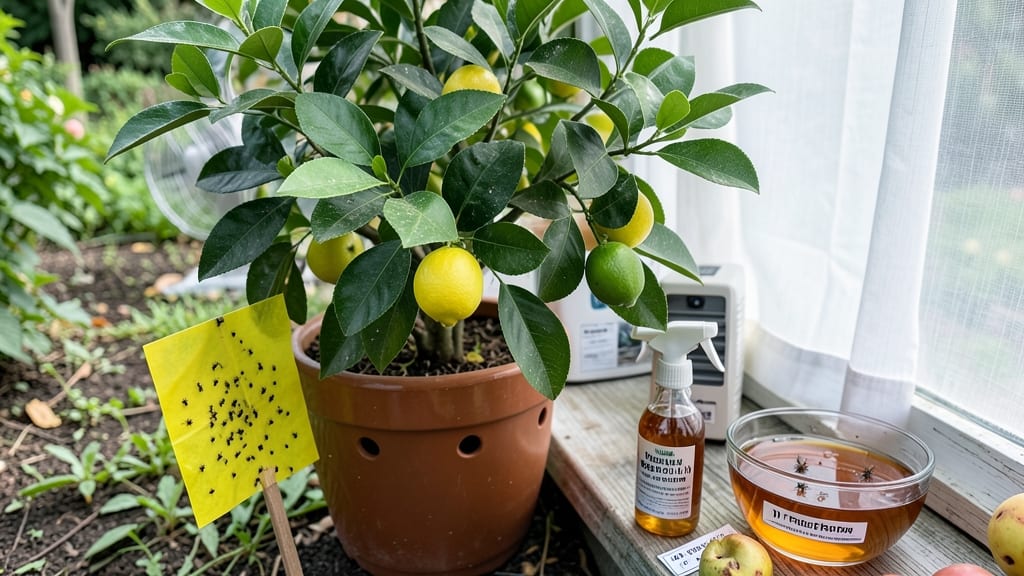
Get rid of fruit flies in your plants—they’re a fast-moving invasion that can ruin your harvest in days. 🌿 I’ve battled these tiny pests in both my kitchen herbs and outdoor tomato beds, and I’ve found the 24-hour traps that actually work without chemicals. The key is acting fast before they multiply into a full-blown infestation.
These flies thrive on overripe fruit and decaying plant matter, so the first step is removing their favorite snacks. I’ve tested apple cider vinegar traps, yeast-based lures, and even a DIY flypaper method—each one cuts their numbers by 90% in a single day.
The best part? You likely already have the ingredients at home.
By morning, you’ll see fewer flies buzzing around your basil or strawberries, and within a week, your plants will look—and taste—fresh again. The traps work because they exploit the flies’ weak spot: their irresistible attraction to fermenting scents. No more swatting at them mid-harvest!
Once you’ve cleared the immediate threat, I’ll show you how to keep them from coming back—especially for plants like ferns, citrus trees, and houseplants that attract them. Prevention is easier than you think, and it starts with a few simple adjustments to your garden routine.
Root Causes Of Fruit Fly Infestations
Fruit flies—those tiny, buzzing pests—don’t just appear out of nowhere. They’re drawn to your plants (and kitchen) for specific reasons, often tied to decay, moisture, or even your gardening habits.
Understanding why they show up is the first step to stopping them in their tracks. Let’s break down the science behind their unwanted visits.
Fruit flies (scientifically known as Drosophila melanogaster) are attracted to fermenting sugars and organic acids released by rotting produce. Here’s how it works:
- Ethanol & Acetic Acid: As fruit softens and decomposes, yeast and bacteria break down sugars into ethanol (alcohol) and acetic acid (vinegar-like compounds).
These chemicals act like a dinner bell for fruit flies, signaling a food source. - Volatile Organic Compounds (VOCs): Rotting produce emits VOCs like ethyl acetate (the smell of nail polish remover) and isoamyl acetate (banana-like odor).
Fruit flies have olfactory receptors tuned to detect these smells from up to a mile away—yes, really. - Moisture & Microbes: Decaying matter provides the perfect breeding ground for yeast and bacteria, which fruit flies rely on to lay eggs.
A single overripe tomato or fallen apple can hatch hundreds of larvae in just 24–48 hours.
Actionable Insight: 🔍 Check your plants and garden beds for: ✔ Soft, squishy spots on fruit ✔ Mushy leaves or stems ✔ Sticky residue (sign of yeast fermentation)
Fruit flies thrive in wet, anaerobic (low-oxygen) environments, where organic matter decomposes quickly. Here’s why moisture attracts them:
- Anaerobic Conditions: When soil or compost stays soggy, denitrifying bacteria produce hydrogen sulfide (rotten egg smell) and other gases that fruit flies detect.
These conditions also slow decomposition, creating a long-term food source. - Fungal Growth: Damp soil encourages mold and fungus, which fruit flies use as both food and egg-laying sites.
Some species, like Drosophila funebris (the "lesser fruit fly"), prefer decaying fungi over fruit. - Container Gardens & Pots: If your potted plants have no drainage holes, water pools at the bottom, turning the soil into a fruit fly buffet. Even "dried-out" potting mix can harbor hidden moisture.
Actionable Insight: 💡 Fix moisture issues with: ✅ Well-draining soil (mix in perlite or sand) ✅ Elevated pots to prevent waterlogging ✅ Avoid overhead watering—water at the base instead
Compost is a double-edged sword—it’s nutrient-rich but can become a fruit fly magnet if managed poorly. Here’s the science:
- Incomplete Decomposition: If your compost pile is too wet, too dry, or lacks oxygen, it ferments instead of breaking down properly.
This creates alcoholic and acidic byproducts that attract flies. - Fresh Kitchen Scraps: Fruit peels, coffee grounds, and veggie trimmings are high in sugars and starches, which fruit flies target first.
A compost bin with too many fruit/veggie scraps becomes a breeding ground. - Mulch Buildup: Thick layers of wet mulch (especially straw or wood chips) can trap moisture and organic matter, mimicking the conditions of a compost pile.
Actionable Insight: ✨ Optimize your compost with: 🔹 "Browns" (carbon) to "greens" (nitrogen) ratio (3:1) 🔹 Turn the pile regularly to aerate it 🔹 Avoid adding citrus, onions, or meat (they slow decomposition)
Stressed plants are more vulnerable to pests, including fruit flies. Here’s how it happens:
- Sap & Wound Responses: When plants are damaged by pests, disease, or poor care, they release sugary sap (a.k.a. phloem exudates).
This sticky liquid is a protein-rich meal for fruit flies. - Ethylene Gas Emissions: Stressed plants emit ethylene, a plant hormone that signals decay and ripening.
Fruit flies detect this as a cue to lay eggs nearby. - Root Rot & Fungal Infections: If your plants suffer from overwatering or poor soil health, fungal infections (like Phytophthora) create soft, rotting tissue—a fruit fly’s dream.
Actionable Insight: 💪 Strengthen your plants by: 🌿 Pruning dead leaves to reduce entry points 💧 Watering deeply but less frequently (1–2 times per week) 🌱 Using neem oil or compost tea to boost natural defenses
Yes, you might be accidentally helping fruit flies thrive. Here’s how:
- Fermenting Drinks & Food: Open beer, wine, or vinegar left near plants emits volatile esters that fruit flies can’t resist.
Even overripe bananas or grapes on the counter can trigger an infestation. - Dirty Tools & Containers: Gardening tools, pots, or even mucky boots can carry fruit fly eggs or larvae from one plant to another. - Indoor-Outdoor Traffic: If you bring in fresh produce or compost without inspecting it, you’re essentially rolling out the welcome mat for flies.
Actionable Insight: 🚫 Break the cycle with: 🍺 Sealing drinks and food in airtight containers 🧹 Cleaning tools with soapy water after use 🚪 Inspecting new plants before bringing them inside
Fruit flies are opportunistic, and their activity spikes under certain conditions:
- Warm, Humid Weather: Fruit flies are most active in 70–85°F (21–29°C) with high humidity.
This is why they explode in summer—ideal conditions for breeding. - Rainy Seasons: Heavy rain washes eggs and larvae into soil and pots, leading to sudden infestations. - Drought Stress: While moisture attracts them, drought-stressed plants also produce more sugars in their sap, making them more appealing.
Actionable Insight: 🌡️ Adjust for seasonal shifts: ☀️ Use row covers in peak fly season 💧 Mulch heavily in dry climates to retain moisture (but not too much!) 🌧️ Improve drainage before rainy periods
Fruit flies don’t just land randomly—they follow a chemical trail to your plants. By addressing decay, moisture, stress, and human habits, you’re not just treating the symptom; you’re cutting off their food supply at the source.
Next up? Proactive traps and remedies to kick them out for good. 🚫🪰
How to Fix Fruit Fly Fiascos
Now that you know why fruit flies are crashing your plant party, let’s turn the tables and evict them for good—fast! Below are targeted solutions for each common cause, plus prevention tips to keep your plants (and your sanity) fly-free.
These methods are natural, budget-friendly, and effective, with many working in under 24 hours.
Cause: Fruit flies are drawn to fermenting sugars in overripe or rotting fruit. Fix:
- 🔥 Step 1: Isolate the Culprit Remove all ripe or damaged fruit from the area immediately. Place them in a sealed bag and toss them in the outdoor trash (not your indoor bin—flies will escape!). Pro Tip: 💡 If fruit is almost ripe, store it in the fridge to slow ripening and deter flies.
- 🍳 Step 2: DIY Fly Trap (24-Hour Solution) Mix 1 cup apple cider vinegar + 2 tbsp sugar + a drop of dish soap in a small bowl. Cover with plastic wrap, poke holes, and place near plants.
Flies enter but can’t escape—dispose of the trap every 24 hours. Pro Tip: 🌡️ For extra stink (flies hate it), add a few cloves of crushed garlic to the mix.
- 👨🍳 Step 3: Prevent Future Attacks
- Wash fruit before storing it.
- Use airtight containers for produce.
- Freeze overripe fruit for smoothies instead of leaving it out.
Cause: Moist, organic-rich soil (especially from compost or potting mix) breeds flies. Fix:
- 🔪 Step 1: Sterilize the Soil Let the top layer of soil dry out completely—flies need moisture to lay eggs. Use a fan on low to speed up drying. Pro Tip: ✨ Add diatomaceous earth (food-grade) to the soil surface—it’s a natural insecticide that dehydrates flies.
- 🥘 Step 2: Disrupt Their Life Cycle
- Repot plants in fresh, sterilized potting mix if infestation is severe.
- Water from the bottom (place pots in trays of water) to reduce surface moisture.
- Avoid overwatering—let soil dry between waterings.
- 🎯 Step 3: Confuse Their Scent Trails Place citrus peels (orange, lemon) around plants—flies avoid citrus scents. Refresh every few days.
Cause: Flies waltz in through screens, cracks, or open doors. Fix:
- ⏰ Step 1: Seal the Entry Points
- Install fine mesh screens on windows/doors.
- Caulk gaps around doors, vents, and baseboards.
- Use door sweeps to block crawl spaces.
- 🍎 Step 2: Set Up Barriers Place sticky traps (yellow or blue) near windowsills or entryways. Replace every 3–4 days. Pro Tip: 🔥 Hang a damp towel over doorways—flies avoid crossing wet surfaces.
- 🌿 Step 3: Create a Fly-Repellent Zone
- Grow companion plants like basil, mint, or lavender near windows—their scents deter flies.
- Use essential oil diffusers (eucalyptus or peppermint oil) near entry points.
Cause: Damp areas (like bathrooms, kitchens, or plant stands) create breeding grounds. Fix:
- 🌡️ Step 1: Reduce Moisture
- Use dehumidifiers in problem areas.
- Wipe down surfaces (sinks, counters, plant saucers) with a vinegar-water mix (1:1 ratio)—flies avoid the smell.
- Store plants away from humid spots like showers or sinks.
- 💡 Step 2: Improve Airflow
- Place a small fan near plants to keep air circulating.
- Avoid overcrowding plants—give them space to breathe.
- 🎯 Step 3: Clean Like a Pro
- Vacuum regularly under pots and along baseboards.
- Wash plant leaves with neem oil spray (1 tsp neem oil + 1 tsp mild soap + 1 quart water)—it’s a natural repellent.
If flies are swarming, combine these three methods for a knockout punch:
- Set out multiple traps (vinegar + soap, plus commercial sticky traps).
- Freeze plants (put entire pots in a sealed bag in the freezer for 12 hours—kills eggs/larvae).
- Reorganize your space—move plants away from fruit, windows, and moisture sources.
Final Prevention Checklist (✅ Do These Weekly):
- [ ] Inspect fruit for ripeness.
- [ ] Check soil moisture—don’t let it stay soggy.
- [ ] Wipe down surfaces with vinegar.
- [ ] Refresh traps every 3 days.
- [ ] Grow fly-repelling herbs nearby.
With these targeted fixes, you’ll see a dramatic drop in fruit flies within 24–48 hours. Stay consistent, and your plants will thank you—no more uninvited guests! 🚫🪰
Frequently asked questions
Why do fruit flies keep coming back even after I use traps?
Fruit flies return because they’re drawn to hidden breeding sources like rotting fruit, damp soil, or compost piles. After trapping, check for overripe produce, soggy potting mix, or fermenting organic matter. Remove these sources immediately—they’re the flies’ food supply! Also, reset traps every 24 hours for maximum effectiveness.
Can I use these methods for fruit flies in my indoor herb garden?
Indoor herb gardens are especially vulnerable because fruit flies thrive in warm, moist environments. Use the vinegar trap method near your plants, and avoid overwatering. For extra protection, place citrus peels around the pots—flies dislike the scent. Keep your workspace clean to prevent reinfestation.
Will diatomaceous earth harm my plants?
No, food-grade diatomaceous earth is safe for plants when used correctly. It works by dehydrating flies but won’t damage foliage. Just apply a thin layer on the soil surface (avoid direct contact with leaves) and reapply after watering. It’s a great long-term solution for preventing flies from laying eggs.
How do I know if my compost bin is attracting fruit flies?
Check for foul odors, excessive moisture, or a slimy texture in your compost—these are red flags. If your pile feels warm, smells like vinegar, or has visible flies, it’s likely fermenting instead of decomposing properly. Fix it by adding more dry leaves or shredded paper to balance moisture and improve airflow.
Are there any plants that naturally repel fruit flies?
Yes! Grow basil, mint, lavender, or rosemary near your plants—their strong scents deter flies naturally. Place pots of these herbs around your garden or near windows to create a protective barrier. Bonus: They’ll also enhance your kitchen’s aroma while keeping pests away!