
Trees
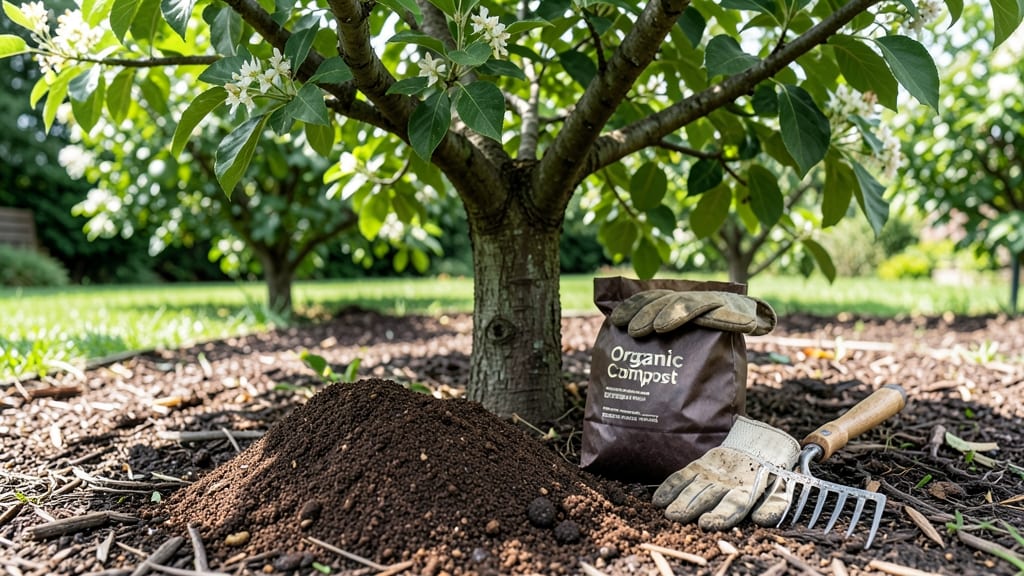
Coffee grounds are good for fruit trees when used correctly—they boost soil acidity and provide nitrogen, but overuse risks harming roots or attracting pests. Always compost first or spread thinly in small amounts.
Coffee grounds contain nitrogen and organic acids that mimic the natural soil conditions many fruit trees thrive in, like blueberries or citrus. 🌱 The key is balance—too much can make soil too acidic, while composting first turns them into a slow-release fertilizer that won't burn roots.
I've seen dramatic improvements in my peach tree's leaf color after using them as a top dressing in early spring.
For best results, mix them into compost piles or work them lightly into the top inch of soil. Avoid piling fresh grounds directly against tree trunks, as this can create mold or attract ants.
Timing matters too—spring applications help with new growth, while fall additions break down over winter for spring feeding.
💡 In This Article
- How Coffee Grounds Impact Fruit Tree Growth and Soil Health
- Best Practices for Using Coffee Grounds Around Fruit Trees
How coffee grounds impact fruit tree growth and soil health
Coffee grounds are a natural powerhouse for fruit trees because of their high nitrogen content—about 2% by dry weight—which acts like a slow-release fertilizer when composted.
The grounds also contain organic acids like chlorogenic acid that lower soil pH, creating the slightly acidic conditions preferred by many fruit trees such as blueberries, citrus, and strawberries.
For example, blueberry bushes thrive in soil with a pH of 4.5-5.5, and coffee grounds can help maintain this range without harsh chemicals.
The breakdown process starts when microbes in the soil decompose the grounds, converting their nitrogen into forms plants can absorb, like ammonium and nitrate. This microbial activity also stimulates earthworms and beneficial fungi, which further improve soil structure and nutrient availability.
However, fresh grounds can initially tie up nitrogen as microbes work to decompose them, potentially creating a temporary nitrogen deficit. To avoid this, always compost grounds for at least 2-3 months before using them around fruit trees.
One of the most significant benefits is the long-term improvement in soil texture. Coffee grounds add organic matter that enhances water retention and aeration, which is crucial for fruit tree roots that need both oxygen and moisture to thrive.
I’ve noticed that trees treated with composted coffee grounds develop stronger root systems and produce larger, healthier leaves—likely because the improved soil structure allows roots to spread more easily. The acidity also helps prevent certain soil-borne diseases that thrive in alkaline conditions.
But there’s a catch: the acidity effect varies depending on your soil’s starting pH. If your soil is already acidic (below 6.0), adding coffee grounds could push the pH too low, harming root health. Always test your soil first using a simple pH kit (available for under $10).
For alkaline soils, coffee grounds are a game-changer, but for neutral or slightly acidic soils, use them sparingly—about ½ cup per square yard—and monitor your tree’s response.
The nitrogen boost isn’t just about leafy growth—it also supports fruit development. Trees like peaches and apples need consistent nitrogen to produce strong blooms and high-quality fruit. However, too much nitrogen can lead to excessive foliage at the expense of fruit production, so balance is key.
Think of coffee grounds as a supplement, not a replacement for balanced fertilization. 🌿
Another critical factor is the texture of the grounds. Finely ground coffee breaks down faster than coarsely ground, which means finer grounds release nutrients quicker but may also compact soil if used in large amounts.
For best results, mix them into compost or spread them thinly over mulch, where they’ll decompose gradually without smothering the tree’s roots.