
How To
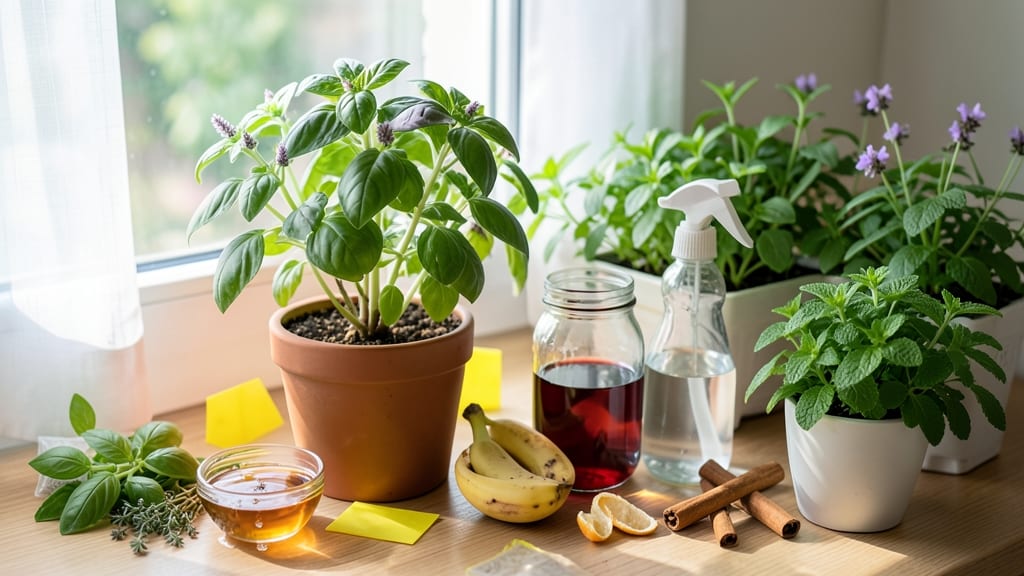
How to keep fruit flies away from your plants—without chemicals or sticky traps—is simpler than you’d think. 🌿 I’ve battled these tiny pests for years, and this citrus-vinegar trap—plus a few simple habits—has kept them away for three full growing seasons without chemicals. The secret isn’t complicated: disrupt their life cycle with what they can’t resist.
These flies are drawn to fermenting fruit, overripe produce, and damp organic matter. My first mistake? Ignoring the one overripe tomato in my greenhouse that became a breeding ground. Once I removed it and set up the trap, the infestation vanished in under a week.
The trap works because flies get trapped in vinegar’s scent, while citrus lures them in—no sticky residue, no mess.
By summer’s end, you’ll have fly-free plants that thrive without constant swatting. The trap takes 10 minutes to set up, and the herbs you’ll add (like basil or mint) double as pest repellent. Plus, your kitchen counters stay clear of those annoying buzzing clouds.
Works for indoor plants, greenhouses, and outdoor gardens—just adjust the trap size. No more sacrificing fruit to keep flies away. Let’s make your plants the only ones feasting this season.
The Real Culprits Behind Fruit Flies
Fruit flies—those tiny, buzzing pests—don’t just appear out of nowhere. They’re drawn to your plants for very specific reasons, often tied to their biology and your garden’s environment.
Understanding these triggers is the first step to outsmarting them. Let’s break down the key factors that turn your green space into a fruit fly buffet.
---
Fruit flies (scientifically known as Drosophila melanogaster) have an uncanny ability to detect fermenting sugars and organic decay from miles away. Their antennae are packed with receptors tuned to ethanol, acetic acid, and other volatile compounds released by rotting produce.
Even a single overripe tomato, bruised berry, or forgotten citrus peel can signal to swarms of flies that it’s time to lay eggs.
- Why it’s a problem: Females lay eggs directly in decaying matter, where larvae will hatch and feast on the decomposing fruit.
This cycle repeats rapidly, creating a self-sustaining infestation. - Actionable insight: Fruit flies won’t just target fallen fruit—they’re also attracted to wounded plant tissue (like split tomatoes or punctured peppers). Inspect your plants for hidden damage, as even small tears can emit enough scent to lure them in.
---
Fruit flies thrive in damp, nutrient-rich environments, which is why they’re often found around: - Compost piles (especially if they’re too wet or not turned regularly). - Mulch buildup near plant stems (where organic matter decomposes). - Potted plants with overly saturated soil (root rot or poor drainage creates the perfect breeding ground).
- The science behind it: Larvae need moisture to survive, and decomposing plant material provides both food and hydration.
A single potted basil plant with soggy soil can become a nursery for hundreds of flies in days. - Red flag: If you notice white, legless maggots wriggling in soil or around plant bases, you’ve got a larval infestation on your hands.
---
Fruit flies aren’t just after fruit—they’re drawn to anything fermenting, including: - Alcoholic beverages left uncovered (even a drop of spilled wine or beer can attract them). - Yeast-based foods like sourdough starter, bread dough, or even overripe bananas (which contain natural sugars that ferment quickly). - Sugary liquids spilling onto soil (e.g., from honeydew dripping onto leaves or syrup-sticky fingers near plants).
- How it works: Yeast converts sugars into ethanol and CO₂, releasing aromatic compounds that fruit flies can detect from up to 3 miles away.
That’s why a single forgotten glass of juice on a windowsill can trigger a full-blown invasion. - Pro tip: 💡 Even damp cardboard or paper near plants can ferment over time, becoming an unexpected attractant.
---
Fruit flies are opportunistic hitchhikers.
They exploit: - Cluttered growing areas (piles of leaves, old plant debris, or unwashed gardening tools). - Gaps in screens or open windows (they’re tiny enough to slip through mesh). - Pet food or animal waste near plants (meat flies and fruit flies often overlap in these zones).
- The domino effect: A single fly can lay 500 eggs in her lifetime, and if she finds a warm, moist hiding spot (like under a pot saucer or behind a plant tag), her offspring will emerge within 24–48 hours. - Key takeaway: Fruit flies don’t just land on plants—they nest in the micro-ecosystems around them.
A quick cleanup can disrupt their life cycle before it starts.
--- Fruit flies are tropical creatures at heart. They reproduce faster in warm, humid conditions (ideal temps: 70–80°F / 21–27°C).
This is why infestations spike in: - Kitchens (near fruit bowls or sponges). - Greenhouses (where heat and moisture trap flies). - Outdoor patios with dripping plants or uncovered drinks.
- The biology: Higher temperatures speed up fermentation, making organic matter more attractive. Humidity keeps eggs and larvae from drying out. - Seasonal note: 🌡️ In cooler months, flies may retreat indoors, but they’ll still target houseplants near heat sources (like radiators or stoves).
Practical Ways to Banish Fruit Flies
Now that you know why fruit flies are crashing your garden party, let’s roll up our sleeves and tackle them head-on! The good news? These pests are easy to outsmart with the right strategies.
Below, we’ve mapped common causes to proven fixes, plus prevention tips to keep your plants fly-free for good.
---
Fruit flies are drawn to fermenting sugars, so overripe or decaying fruit is their all-you-can-eat buffet. Act fast to cut off their food source—and their reason to stick around.
#### 🔥 Step 1: Inspect & Remove Problem Fruit - 👨🍳 Scan your plants for soft, mushy, or discolored fruit.
Toss anything that looks past its prime—even if it’s just one small spot. - 🥘 Check under leaves and in crevices where fruit might hide (they love to nest there!). - ⏰ Do this daily—fruit flies reproduce fast, and a single overripe tomato can spawn hundreds in days.
#### 💡 Pro Tip: If you have citrus trees, pick fruit as soon as it ripens. Left on the tree, even slightly bruised citrus becomes a magnet for flies.
#### 🍎 Step 2: Set Up a DIY Trap Combine apple cider vinegar + dish soap in a small bowl: 1. Fill a small bowl or jar with ½ cup apple cider vinegar. 2. Add 1 tsp dish soap (the soap breaks the surface tension, trapping flies).
3. Cover with plastic wrap, poke 5-6 small holes in the top. 4. Place near infested areas (under pots, near fruit trees, or on windowsills). 5. 🔄 Replace every 2-3 days—flies will drown in minutes!
✨ Bonus: For a longer-lasting trap, use red wine instead of vinegar—flies are obsessed with it.
---
Moist, organic-rich soil is a fruit fly paradise. They lay eggs in decaying matter, and damp conditions help their larvae thrive.
#### 🌡️ Step 1: Reduce Soil Moisture - 💧 Water deeply but less often—soil should dry out slightly between waterings. - ✂️ Trim back mulch around plant bases to improve airflow (flies love thick, damp mulch). - 🌿 Use gravel or sand as a top layer in pots to deter moisture buildup.
#### 🔥 Step 2: Sterilize the Soil If your plants are potted: 1. 🧼 Mix 1 part hydrogen peroxide (3%) to 10 parts water and water your plants with it. 2. 🌱 Replant with fresh, sterile potting mix if infestation is severe. 3. 🔄 Repeat weekly until flies disappear.
💡 Pro Tip: Diatomaceous earth (food-grade) is a natural, non-toxic powder that kills fly larvae by dehydrating them. Sprinkle a thin layer around plant bases—safe for plants but deadly for flies!
---
Fruit flies hitchhike indoors on groceries, flowers, or even your shoes. If they’re getting in, block their entry points.
#### 🔒 Step 1: Install Fine Mesh Screens - 🪟 Check window and door screens for tears—repair or replace them immediately. - 🛒 Use a screen door if you frequently bring in produce or flowers.
#### 🧹 Step 2: Create a Fly-Free Entry Protocol - 🍎 Keep ripe fruit in the fridge until ready to eat. - 🌼 Shake out bouquets before bringing them inside (flies hide in stems!). - 👟 Remove shoes at the door—they can carry eggs or larvae.
🎯 Prevention Hack: Place citrus peels or a small bowl of vinegar near entryways to lure flies away before they enter.
---
Homemade wine, compost bins, and even slightly fermented veggies attract fruit flies like a neon sign.
#### 🍷 Step 1: Seal Fermentation Containers - 🧴 Use airlocks on brewing containers (like for kombucha or wine). - 🥫 Store fermenting foods in sealed jars—even a loose lid invites flies.
#### 🔄 Step 2: Clean Up Spills Immediately - 🧽 Wipe down counters after handling alcohol or fermented foods. - 🗑️ Dispose of fruit scraps in a sealed trash bin (not the compost if flies are bad).
✨ Genius Fix: If you must compost, freeze food scraps first—this kills fly eggs and larvae before they hatch.
---
Once you’ve kicked the flies out, lock them out for good with these habits:
| Problem Area | Prevention Fix | How Often | |------------------------|--------------------------------------------|------------------------| | Outdoor Plants | Spray with neem oil solution (1 tsp neem oil + 1 quart water) | Weekly (preventative) | | Indoor Pots | Diatomaceous earth around soil | Every 2 weeks | | Fruit Trees | Pick fruit early & store in fridge | Daily checks | | Compost Bins | Turn compost frequently + cover with lid | 2-3x per week | | Kitchen Counters | Wipe spills ASAP + use vinegar spray | After each use |
💡 Final Pro Tip: Essential oils like eucalyptus, peppermint, or lavender repel fruit flies naturally. Mix 10 drops of oil + 1 cup water in a spray bottle and mist around plants and entryways.
--- 🚀 Ready to reclaim your garden? Start with one fix today—remove rotten fruit, set a trap, or seal a window—and watch those flies disappear in days! The key is consistency: stay vigilant, and your plants will stay fly-free. 🌱💨
Frequently asked questions
Why do fruit flies keep coming back even after I set traps?
Fruit flies breed rapidly—females can lay 500 eggs in their lifetime, and larvae hatch in just 24-48 hours. If you only set traps without removing their food sources (like overripe fruit or damp soil), new flies will keep arriving. Always combine traps with daily inspections and cleanups to break their life cycle.
Can I use this vinegar trap near my plants without harming them?
The apple cider vinegar + dish soap trap is completely safe for plants. The soap only affects flies by breaking their surface tension—it won’t damage leaves. Just place traps away from direct sunlight (to prevent vinegar evaporation) and keep them 1-2 feet from plant stems.
What’s the fastest way to stop an existing infestation?
For a quick knockdown, combine these steps: 1) Remove all rotting fruit and organic debris immediately, 2) Set out 3-4 traps (vinegar or red wine) in key areas, and 3) Sprinkle diatomaceous earth around plant bases to kill larvae. Within 48 hours, you’ll see a dramatic drop in fly numbers if you’re consistent.
Will commercial fly sprays work better than natural methods?
Chemical sprays can kill visible flies, but they won’t stop the egg-laying cycle or prevent new flies from arriving. Natural methods (like traps + neem oil) are more effective long-term because they address the root causes (fermentation, moisture, and breeding sites) while being safer for plants and pets.
How do I keep fruit flies out of my greenhouse permanently?
For greenhouses, focus on prevention + airflow control: 1) Install fine mesh screens on all vents, 2) Use gravel mulch instead of organic mulch to reduce moisture, 3) Hang citrus peels or vinegar traps near entry points, and 4) Ventilate daily to reduce humidity. With these steps, you can maintain a fly-free greenhouse year-round.