
Picking
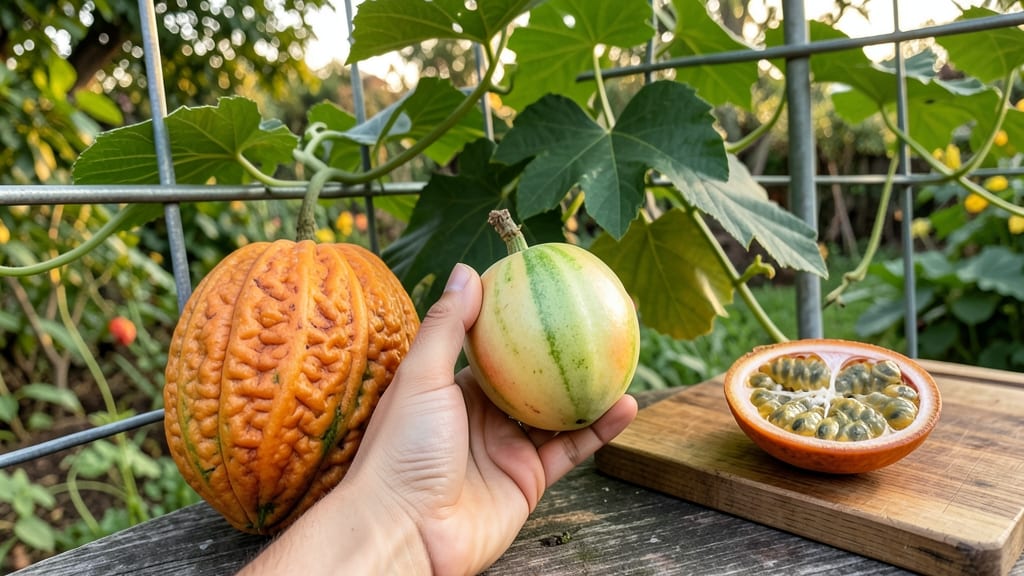
Passion fruit can ripen off the vine when harvested at the right stage—slightly firm but yielding to gentle pressure—then stored at room temperature until fully ripe, typically within 3-7 days. Avoid refrigeration until fully ripe to preserve sweetness and texture.
Passion fruit ripens naturally through ethylene gas production, which happens when you pick them at the right firmness level. 🌱 Unlike many fruits, they won't ripen properly if refrigerated too soon—the cold stops the ripening process.
I've found that placing them in a paper bag with a banana or apple speeds up the process, thanks to the extra ethylene those fruits release.
Once fully ripe, you'll notice the skin turning from green to yellow with some purple markings, and the fruit will give slightly when gently squeezed.
For best results, store them in a dry, well-ventilated spot away from direct sunlight. The key is patience—overripe passion fruit becomes mushy and loses its vibrant flavor.
Once ripe, they'll keep for about 3-5 days in the fridge, but I always use them within 24 hours for peak sweetness and texture.
💡 In This Article
- Passion Fruit Ripening Stages and How to Identify Them
- Optimal Storage Conditions for Off-the-Vine Ripening
Passion fruit ripening stages and how to identify them
Passion fruit ripens through a complex biological process driven by ethylene gas, a natural plant hormone that triggers color changes, softening, and flavor development.
When harvested at the slightly firm but yielding stage (similar to a ripe avocado), the fruit's ethylene production ramps up, accelerating ripening. 🌱 The skin transitions from solid green to a vibrant yellow with purple markings—a visual cue that the fruit's sugars have converted from starches, intensifying sweetness.
This color shift typically takes 3-7 days at room temperature.
The firmness test is critical: press gently—ripe passion fruit should give slightly under 2-3 pounds of pressure (about the weight of a small apple) but not feel mushy. Underripe fruit stays hard and green, while overripe fruit becomes soft and may leak pulp when squeezed.
The aroma also changes dramatically—ripe passion fruit emits a sweet, tropical fragrance, whereas unripe ones smell bland or slightly bitter. Pro tip: A ripe passion fruit's scent should remind you of maracuja pulp and citrus.
Ethylene exposure is the secret weapon for speeding up ripening. Place your passion fruit in a paper bag with an apple or banana—they release high levels of ethylene, which can cut ripening time to 2-3 days.
This works because ethylene binds to receptors on the fruit's skin, triggering the breakdown of cell walls (softening) and sugar conversion. 💫 Avoid plastic bags, as they trap moisture and can cause mold.
Once fully ripe, the fruit's internal pulp becomes jelly-like, with seeds suspended in a tangy-sweet fluid that's perfect for juicing or desserts.
Temperature plays a hidden role in ripening success. Passion fruit ripens best between 68-77°F—any cooler slows ethylene production, while heat above 85°F can cause uneven ripening or spoilage. The ideal spot is a kitchen counter away from direct sunlight, where humidity stays moderate.
Too much humidity (like a closed fridge) causes condensation, which can lead to mold growth before the fruit ripens properly.
What most people miss is the scent test—this is your most reliable indicator. A ripe passion fruit's aroma should be strong enough to detect from 6-12 inches away, with notes of tropical fruit and a hint of citrus.
If it smells faint or sour, it's either underripe or overripe. 🍯 This sensory cue is more accurate than color alone, as some varieties (like purple passion fruit) may not develop the classic yellow markings. Trust your nose—it's the fruit's way of signaling peak ripeness.