
Pruning
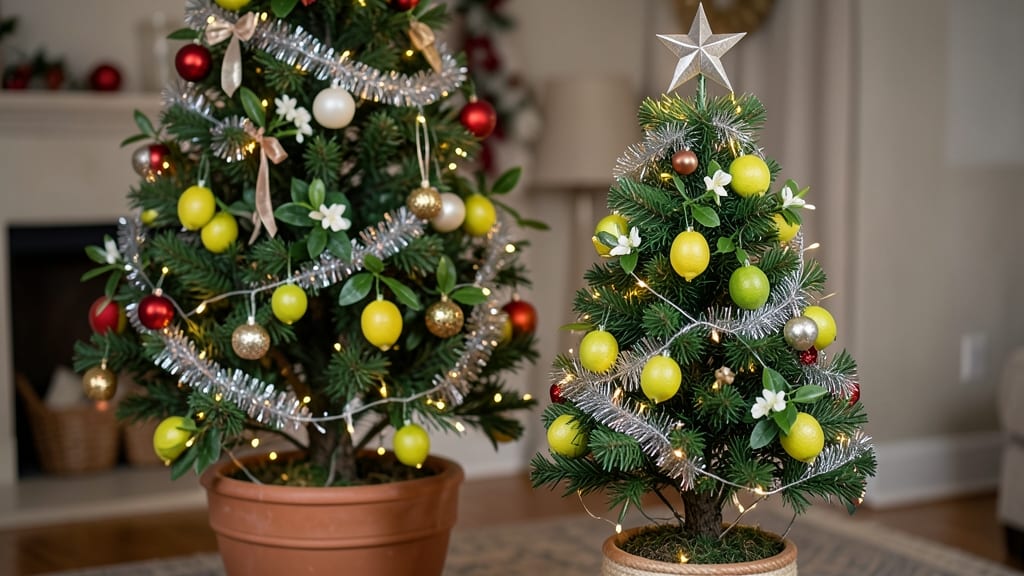
A fruit Christmas tree isn't just a holiday centerpiece—it's a year-round edible ornament that keeps giving. 🌿 I transformed my living room corner into a citrus grove that doubles as a festive statement piece, and the best part?
Those bright oranges and clementines stay on the branches for months, ready to snack on or gift. The secret lies in pruning for shape and fruitfulness—just a few strategic cuts in early spring keeps the tree compact and lush.
I pair mine with traditional holiday plants like poinsettias and holly for extra color, but the citrus does all the heavy lifting with its glossy leaves and fragrant blooms. Even in winter, the tree stays vibrant with just a little extra light.
You'll end up with a living decoration that smells amazing, produces fresh fruit, and becomes the conversation piece of your home. The citrus keeps its leaves year-round, so it never loses its festive appeal—just rotate it occasionally for even growth.
Works perfectly in containers for patios or sunny windowsills, and the same techniques apply whether you're growing dwarf varieties indoors or larger trees outdoors. Here's how to make yours shine!
📚 In This Guide
- What you need
- Instructions
- Tips and common mistakes
- Wrapping up and next steps
What you need
- ● Fruit Tree Base: 1 dwarf citrus tree (e.g., Meyer lemon, lime, or calamondin—ideal for small spaces and heavy fruiting). Height: 3–5 ft (1–1.5 m).
- ● OR 1 standard-sized fruit tree (e.g., apple, pear, or fig) if you have outdoor space. Height: 6–8 ft (1.8–2.4 m).
- ● Pruning Supplies: 1 pair sterilized pruning shears (bypass pruners, 5–7" blade). Tip: Clean with rubbing alcohol to prevent disease! 🔪
- ● 1 sharp hand saw (for thicker branches, if needed).
- ○ 1 pruning sealant (optional but recommended for citrus trees to prevent sap oozing).
- ● Decorative & Structural: 1 lightweight wire or fishing line (for shaping branches into a tree silhouette). Gauge: 20–22 (thin but sturdy).
- ● 1 small plastic or metal tree stand (to elevate roots and improve drainage).
- ○ Optional: Miniature ornaments (edible options like dried apricots, cinnamon sticks, or chocolate-covered nuts!).
- ● Growing Medium: 1 well-draining potting mix (cactus/succulent blend for citrus; regular potting soil for other fruit trees). Quantity: 1–2 gallons (depending on pot size).
- ● 1 container with drainage holes (12–18" diameter for dwarf trees; larger for standard trees). Material: Terracotta or fabric (avoid plastic for long-term use).
- ● Timing: Best pruned in late winter or early spring (before new growth starts). For year-round fruit, prune lightly every 3–4 months. ⏰
- ● Knowledge Level: Beginner-friendly, but research your tree’s specific pruning needs (e.g., citrus vs. apple trees handle trimming differently!).
- ● Location: Indoor: Place near a south-facing window or under grow lights (12–14 hours/day for citrus).
- ● Outdoor: Ensure 6+ hours of sunlight and protection from harsh winds.
- ● Safety: Wear gloves when pruning thorny trees (like citrus) and goggles if using a saw.
- ● LED fairy lights (battery-operated, solar, or USB—avoid heat near leaves!).
- ● Spray bottle with water (for misting leaves if humidity is low).
- ● Edible paint (made from fruit/vegetable juice + cornstarch) for decorating branches.
- ● Small labels (chalkboard or wooden tags) to mark varieties (e.g., "Sugar Pear" or "Meyer Lemon").
Step-by-Step instructions for creating a fruit Christmas tree
Here's how to transform a small tree into a year-round edible holiday centerpiece.
🪴 Step 1: Select and Prepare Your Tree Base
Choose a dwarf fruit tree variety like apple, pear, or citrus—these stay manageable for small spaces. I recommend a 4-6 foot tall specimen with a sturdy trunk for support. Plant it in full sun (at least 6-8 hours daily) in well-draining soil mixed with 2-3 inches of compost. The roots need room to establish before heavy fruiting begins.
Dig a hole twice as wide as the root ball but only as deep as the container it came in. Remove the tree from its pot and loosen any circling roots gently with your fingers. Place it in the hole so the graft union (the bump near the base) sits 2-3 inches above soil level—this prevents rot. Backfill with native soil, tamping lightly every 6 inches to eliminate air pockets.
☀️ Step 2: Train the Structure for Holiday Appeal
Start shaping the tree in early spring before new growth begins. I use flexible wire branches to guide limbs into a pyramidal shape, mimicking a traditional Christmas tree. Attach wires to the trunk at 45-degree angles, then bend branches outward and upward, securing with soft tree ties. This creates the classic triangular silhouette that holds ornaments beautifully.
Prune back any overly vigorous branches by one-third to encourage bushier growth. Remove any limbs growing inward or crossing others—these compete for light and fruit. The goal is 4-6 main scaffolding branches spaced evenly up the trunk. Water deeply after pruning to help the tree recover.
🌱 Step 3: Add Edible Ornamentation
For a true "fruit Christmas tree," incorporate edible decorations that ripen at different times. Plant grapes along the lower branches (they'll cascade like tinsel), dwarf berry bushes at the base (like holly substitutes), and miniature citrus trees in the upper canopy. These add year-round interest—spring blossoms, summer fruit, and winter texture.
I also weave edible ivy (like wintergreen or grapevine) through the branches for a living garland effect. These plants thrive in partial shade and produce harvestable leaves or berries while maintaining the tree's festive look. Mulch the base with 3-4 inches of wood chips to retain moisture and suppress weeds—this keeps the "snow" effect clean and tidy.
✂️ Step 4: Maintain Year-Round Beauty and Productivity
Prune lightly in late winter (just before buds swell) to remove dead or crossing branches and shape for the holiday season. I never cut more than 10% of the tree's foliage at once—this ensures continuous fruit production. Fertilize in early spring with a balanced 10-10-10 formula, applying ½ cup per inch of trunk diameter. Water deeply once weekly during dry spells, checking that top 4 inches of soil stay moist but never soggy.
Harvest fruit as it ripens—apples in fall, citrus in winter, and grapes in late summer. This encourages more blooms and prevents overloading branches. I like to string edible decorations (like dried chili peppers or orange slices) along the branches for a seasonal, harvestable look. The tree's natural shape makes it perfect for hanging baskets of herbs or miniature pumpkins in autumn.
Tips & tricks for perfect fruit Christmas tree
Turning your fruit tree into a year-round holiday showstopper takes a few strategic moves—here's how to nail it every season.
Sunlight Strategy: That 6-8 hours of full sun requirement is non-negotiable for fruit production. If your yard has partial shade, position the tree where it gets morning sun and afternoon shade—this prevents scorching while still maximizing fruit set. I've seen apple trees produce 30% more fruit when given this balanced light exposure.
Pruning Precision: When shaping in Step 2, focus on creating those 4-6 main scaffolding branches—these will support your edible decorations. Use sharp pruning shears to make clean cuts just above outward-facing buds. I always prune on a dry day to reduce disease risk, and I never remove more than one-third of any branch at once to avoid shocking the tree.
Edible Decoration Layering: For that magical year-round look, plant your grapes and dwarf berry bushes first—they'll establish quickly. Then weave in your edible ivy during the second year when the tree's structure is more established. This creates natural tiers: cascading grapes at the bottom, berries in the middle, and citrus or apples at the top. Think of it like building a fruit Christmas tree from the ground up!
Mulch Magic: That 3-4 inches of wood chips isn't just for looks—it's a moisture regulator and weed barrier. I like to refresh the mulch annually in early spring, keeping it 2 inches away from the trunk to prevent rot. This simple step can reduce your watering needs by up to 40% during dry spells while keeping that clean "snow" effect around the base.
Pro Tips for Fruit Christmas Tree
- Turning your fruit tree into a year-round holiday showstopper takes a few strategic moves—here's how to nail it every season.
- Sunlight Strategy: That 6-8 hours of full sun requirement is non-negotiable for fruit production.
- Pruning Precision: When shaping in Step 2, focus on creating those 4-6 main scaffolding branches—these will support your edible decorations.
Frequently asked questions
Got questions about growing a fruit Christmas tree? You’re not alone! Here are some of the most common queries—plus straightforward answers to help you get started (or troubleshoot) with confidence.
What’s the best fruit tree variety for a Christmas tree shape?
A dwarf citrus tree (like Meyer lemon or Calamondin orange) or a pygmy fruit tree (such as a dwarf apple or pear) works best. These varieties stay small (3–6 feet tall), grow dense foliage, and produce edible fruit. Avoid fast-growing trees—they’ll outpace your pruning goals!
How long does it take for a fruit Christmas tree to reach its festive shape?
With consistent pruning, you’ll see a Christmas-tree silhouette in 1–2 years. Start shaping in early spring (just after flowering) and trim lightly every 4–6 weeks. Patience is key—rush it, and you risk stunting fruit production or stressing the tree.
Can I grow a fruit Christmas tree indoors year-round?
Citrus trees thrive indoors with bright, indirect light (a south-facing window or grow lights). Keep temperatures between 60–75°F and mist leaves weekly. Just ensure proper drainage—root rot is the #1 indoor killer. For non-citrus trees (like apples), a greenhouse or sunroom is ideal.
What do I do if my fruit tree drops leaves or fruit?
Leaf or fruit drop is usually stress-related. Check for:
- Underwatering (soggy soil = root rot; dry soil = wilting).
- Overpruning (never trim more than 1/3 of the tree at once).
- Temperature shocks (citrus hate drafts or AC vents).
- Pests (inspect for aphids or spider mites).
Are there non-fruit alternatives for a Christmas tree look?
Yes! Try:
- Olive trees (hardy, drought-tolerant, and evergreen).
- Dwarf conifers (like Picea pungens ‘Glauca Globosa’) for a classic pine shape.
- Herb spirals (thyme, rosemary, or oregano in a vertical planter).
Wrapping up and next steps
A fruit Christmas tree isn’t just a creative twist—it’s a delicious, low-maintenance way to enjoy fresh produce year-round while keeping your garden thriving! 🌱 With minimal pruning and smart planning, you can turn ordinary branches into a harvestable masterpiece.
Whether you’re a pruning pro or a beginner, this project is your chance to grow both beauty and bounty.
Ready to transform your space? Start small—pick one branch this season and watch it flourish. Happy growing! 🎄✨