
Vegetables
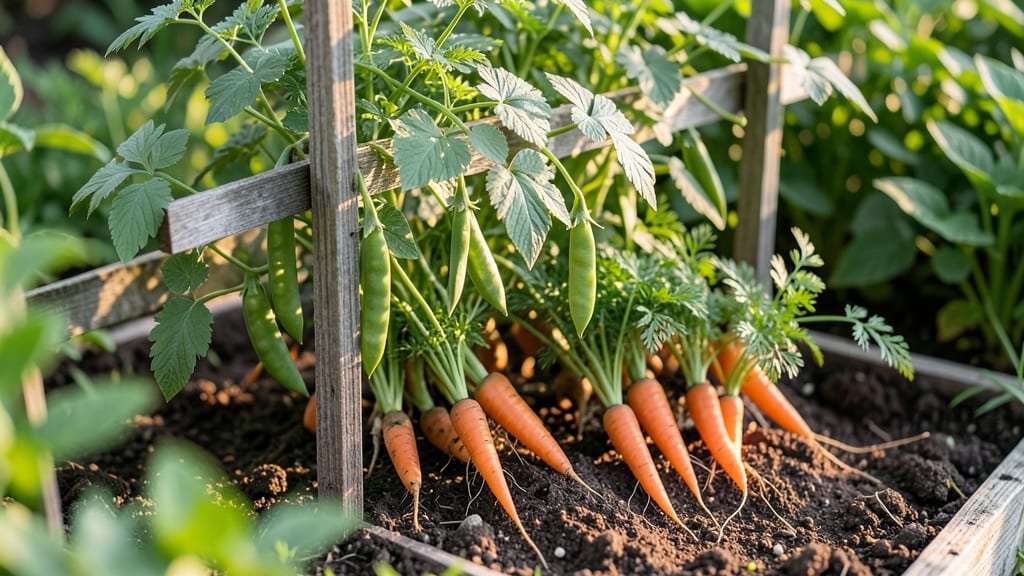
Small gardens can still yield big harvests with these fast-growing climbing fruits and vegetables. Perfect for vertical spaces, these vines maximize yield without sacrificing precious ground space, making them ideal for urban gardeners and beginners alike.
Sugar Snap Peas for Quick Harvests
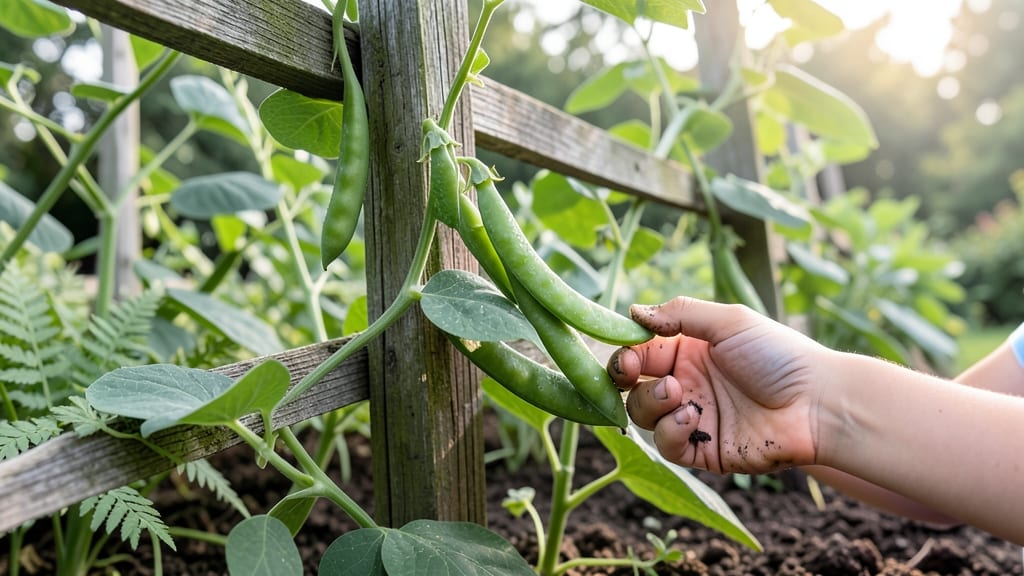
Looking for a fast-growing vegetable that doubles as a fun gardening lesson? Sugar snap peas deliver sweet rewards in just 60 days—perfect for cool-season gardens and eager little helpers.
These crisp, edible-pod peas thrive in cool temperatures (40-75°F) and climb naturally on trellises or fences, saving space while producing abundant harvests. Simply plant seeds 1 inch deep, 2-3 inches apart, and provide 6 hours of sun daily. Kids love snapping fresh pods straight from the vine, making them an interactive (and delicious) way to learn about plant growth.
Best for early spring or fall plantings, sugar snap peas also improve soil health by fixing nitrogen. Their quick growth and hands-on appeal make them a must-try for families and small-space gardeners alike. 🌱
Cherry Tomatoes on Cordon Trellis
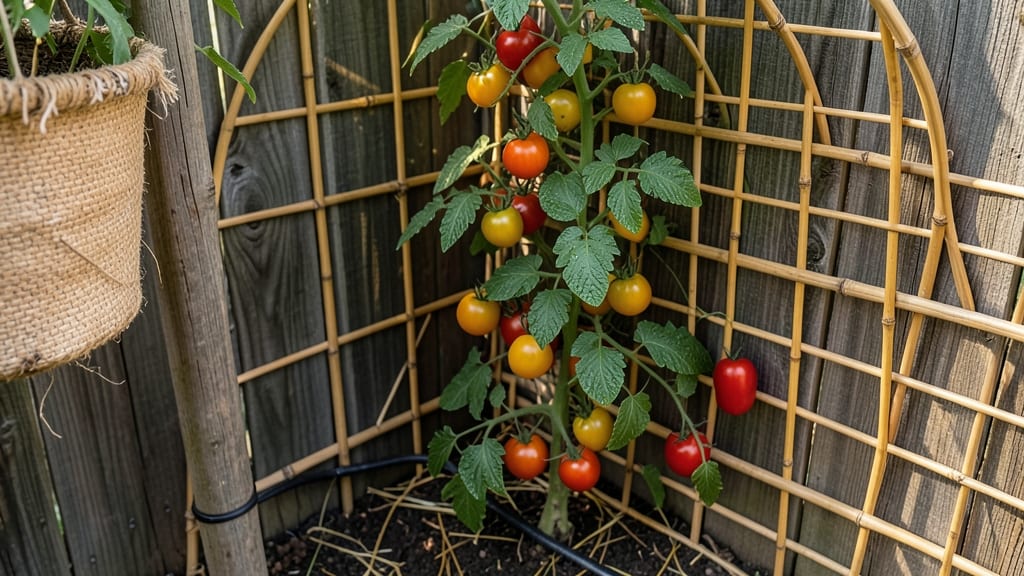
If you crave fresh tomatoes but lack space for sprawling plants, cherry tomatoes on a cordon trellis deliver the perfect solution. Varieties like 'Sweet Million' produce 50+ bite-sized tomatoes per plant, perfect for hanging baskets or small vertical gardens. Their compact growth habit makes them ideal for balconies, patios, or even kitchen windowsills.
Plant seeds or transplants in well-draining soil with 6-8 hours of sun daily, and use a sturdy trellis or tomato cage to support the vine. Prune suckers (side shoots) regularly to encourage upward growth and better air circulation. With a 70-day harvest window, you'll enjoy sweet, juicy tomatoes from early summer through fall—ideal for salads, snacking, or preserving.
This space-saving approach is perfect for urban gardeners or anyone with limited square footage. 🌻
Scarlet Runner Beans for Stunning Flowers
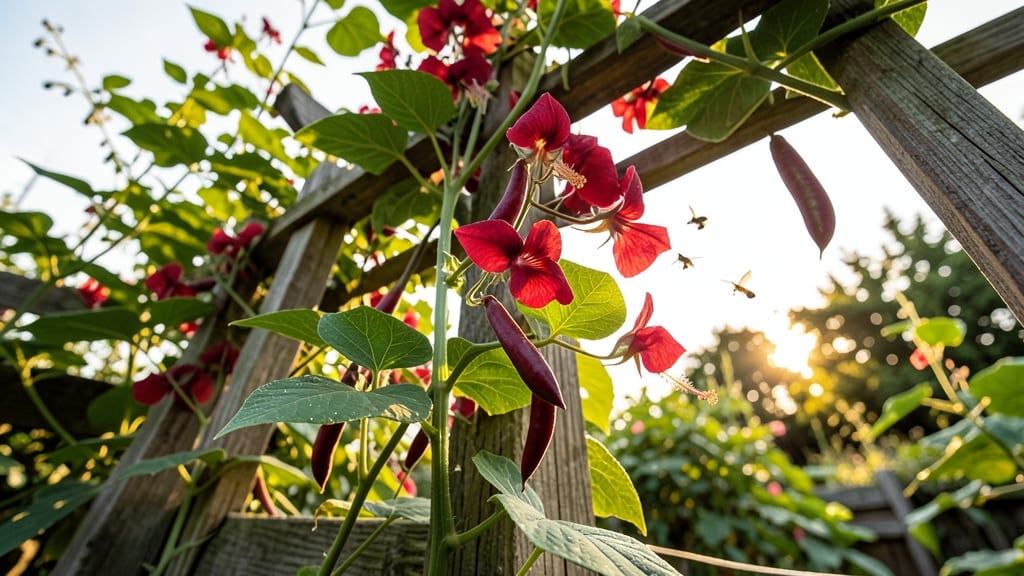
Transform your garden into a pollinator paradise with scarlet runner beans—a dual-purpose powerhouse that rewards you with both edible beans and breathtaking crimson flowers. These vigorous climbers reach 10-15 feet tall, making them perfect for fences, pergolas, or trellises in warm climates (USDA zones 8-11).
Plant seeds directly in well-draining soil after the last frost, spacing them 4-6 inches apart. The vines will twine around supports naturally, producing bright red flowers that bloom from summer through fall—each flower eventually maturing into a flat, edible bean pod. To encourage continuous blooming, pinch back the first few flowers to redirect energy to the plant's growth.
This plant is a game-changer for gardeners who want both beauty and harvest. The flowers attract hummingbirds and bees, while the beans add a unique flavor to stir-fries and salads. Ideal for small spaces or vertical gardens! 🌻
Malabar Spinach for Heat Tolerance
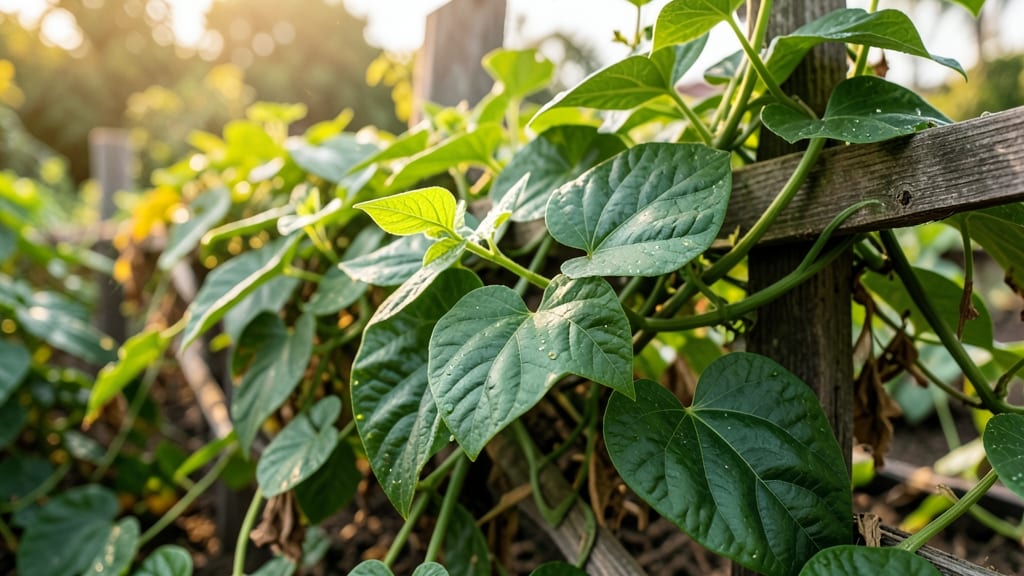
When summer heat turns your garden into a sauna, Malabar spinach (not true spinach!) keeps producing tender leaves while most greens bolt. This tropical vine thrives in 90°F+ temperatures and grows aggressively—reaching 10-15 feet with minimal care.
Harvest young leaves for mild, slightly sweet greens perfect for soups or salads, and enjoy continuous harvests by pinching back vines. Unlike regular spinach, it’s non-toxic to pets and adapts to poor soil, making it ideal for containers or trellises in hot climates.
Urban gardeners and pet owners will love this low-maintenance, high-reward vine that turns heat stress into a harvest bonanza. 🌿
Cucumbers on Lattice Trellis
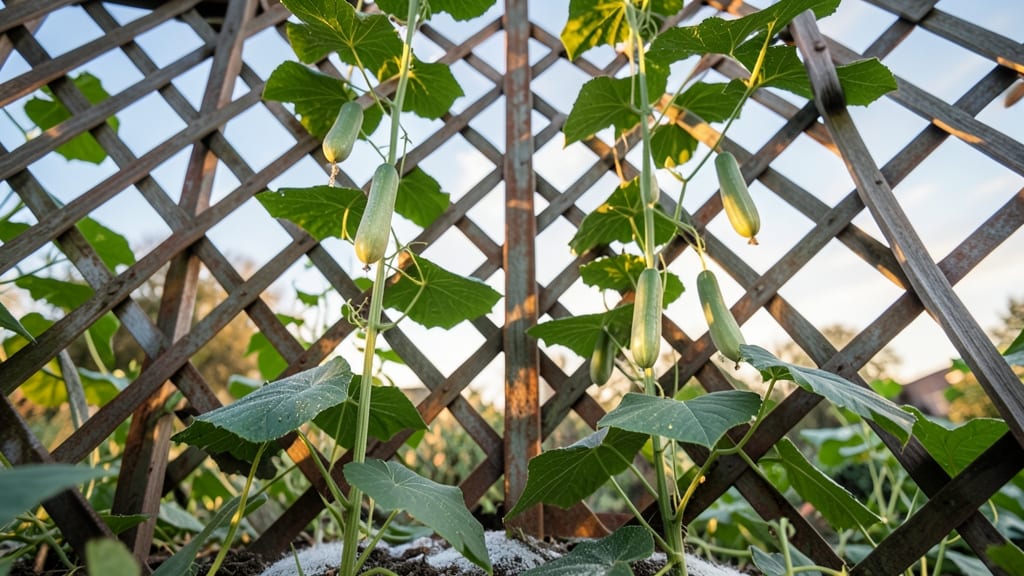
Want crisp, disease-free cucumbers without sacrificing garden space? Lattice trellises elevate your harvest by keeping vines off the ground, where fungal diseases like powdery mildew lurk. This simple vertical trick transforms a sprawling mess into a neat, high-yielding display.
Choose parthenocarpic varieties like 'Straight Eight' for 10+ cucumbers per plant—no pollinators required—and train vines with soft ties every 6-8 inches. Harvest every 2-3 days to encourage continuous production, and use a lattice with 1-inch squares to support the weight. The result? Cleaner fruit, easier access, and a garden that looks as good as it tastes.
Urban gardeners and small-space growers will love this space-saving hack—it’s perfect for patios, balconies, or even windowsills. Just add water and watch your cucumbers climb to new heights! 🌱
Passion Fruit Vines for Tropical Flavor
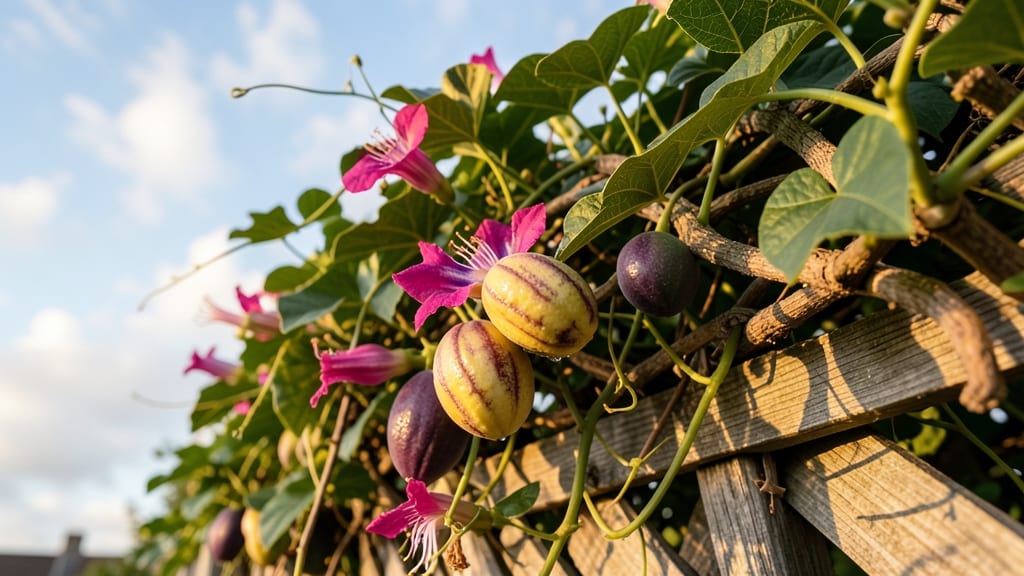
Want to grow something truly exotic without leaving your backyard? Passion fruit vines bring tropical flavor to USDA zones 8-11 with their fragrant, trumpet-shaped blooms and vibrant fruit. These fast-growing vines can produce harvests within just 6-8 months, making them a rewarding challenge for warm-climate gardeners.
Choose between purple passion fruit (Passiflora edulis) for sweet-tart fruit or yellow passion fruit (Passiflora ligularis) for a milder, citrusy taste. Plant in well-draining soil with full sun to partial shade, and provide a sturdy trellis or arbor—they can climb 15-20 feet! For container growing, use a 15-gallon pot with drainage holes and fertilize monthly during fruiting season. Prune lightly to encourage airflow and fruit production.
Urban gardeners and small-space growers will love that passion fruit thrives in containers, while pollinators adore the dramatic flowers. With patience, you'll enjoy homegrown fruit that tastes nothing like store-bought. 🌟
Green Beans on A-Frame Trellis
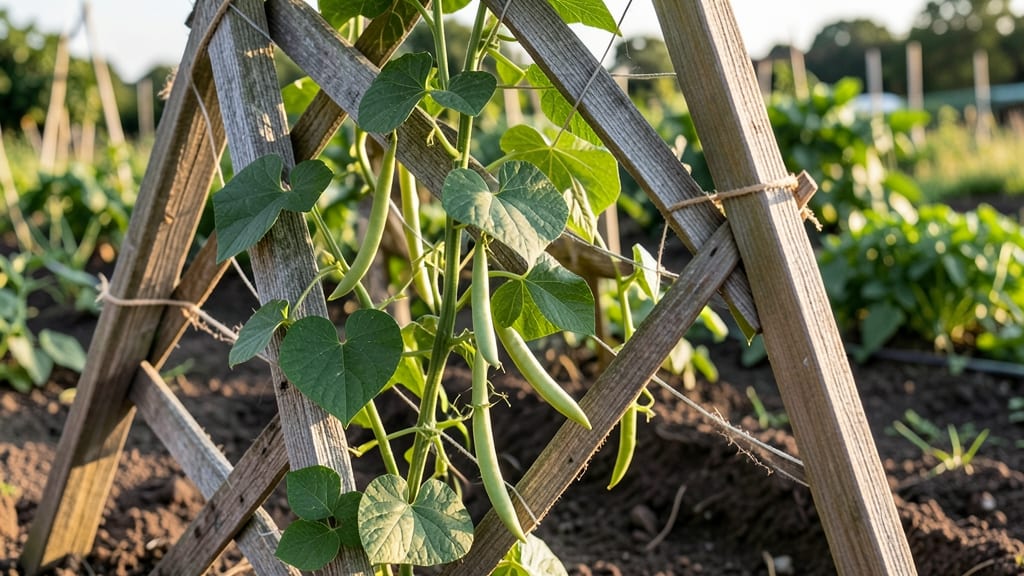
Want to grow more green beans without taking over your garden? Pole varieties like 'Kentucky Wonder' climb an A-frame trellis to produce three times more beans than bush varieties while keeping your soil free for other crops.
Plant seeds 1 inch deep after the last frost when soil reaches 60°F, spacing them 4-6 inches apart. Water consistently to keep soil moist but not soggy—this encourages 55-day harvests of tender, straight pods. The trellis also improves airflow, reducing disease risk while maximizing vertical space in small gardens.
This method is perfect for urban gardeners or anyone with limited square footage. Just imagine fresh-picked beans all summer without sacrificing your garden layout! 🌱
Kiwi Fruit for Cold Climates
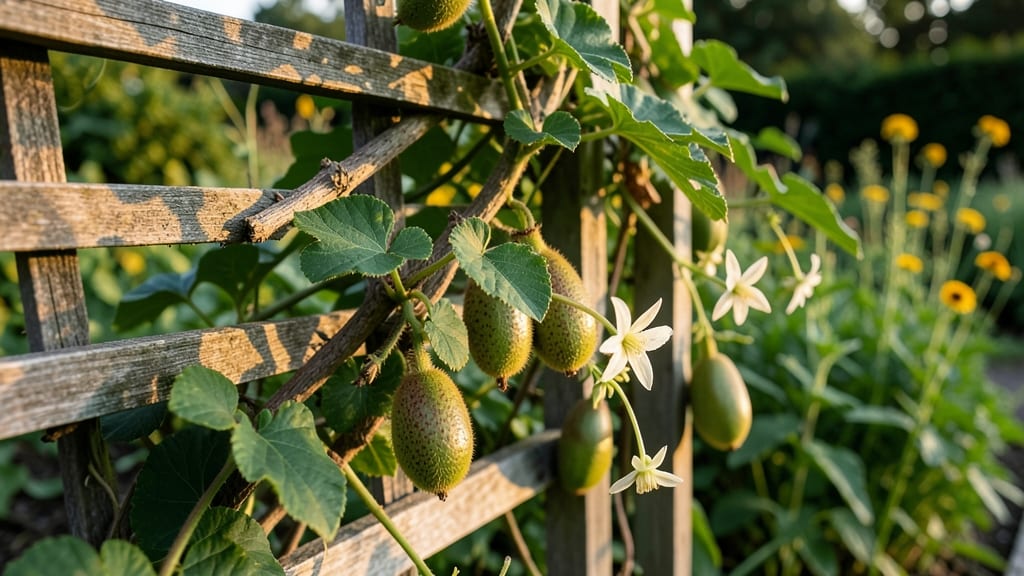
If you love tropical flavors but live in zone 5, kiwi fruit might surprise you—this hardy vine thrives where most tropical plants would freeze. Unlike its warm-climate cousins, cold-hardy kiwi varieties like 'Issai' produce both fruit and edible flowers, giving you a dual harvest without needing separate male and female plants.
Plant in full sun with well-draining soil, and provide a strong trellis or arbor (kiwi vines can reach 20+ feet). For traditional kiwi, you'll need one male plant for every 5-6 female plants to ensure pollination. Once established, these vines reward you with 10+ years of harvests, making them a long-term investment for patient gardeners.
Perfect for homesteaders or those with space for a permanent vine, kiwi fruit adds a gourmet touch to your garden while attracting pollinators with its fragrant blooms. 🌟
Yard-Long Beans for Southern Gardens
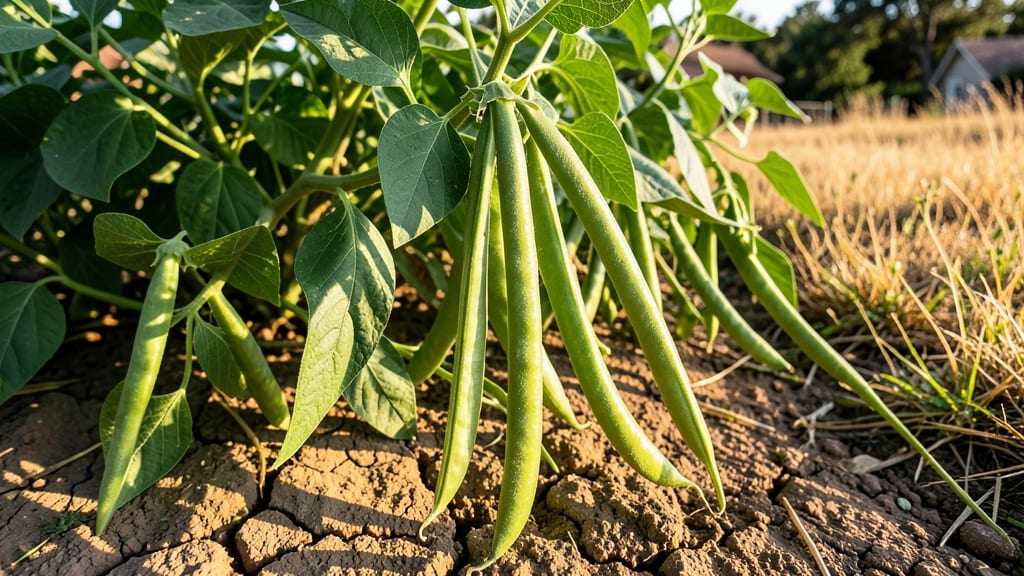
If you live in the Southern U.S. and struggle with heat or poor soil, yard-long beans are your secret weapon for a bountiful harvest. These heat-loving vines produce 12-inch pods that stay tender and sweet—perfect for stir-fries—while thriving where other plants wilt.
Plant them in full sun (6+ hours daily) and watch them climb trellises or fences effortlessly. Unlike fussy vegetables, they tolerate drought and sandy soil, making them ideal for low-maintenance gardens. Start seeds after the last frost, and expect harvests in 50-60 days—no fuss, just flavor.
Southern gardeners and urban farmers will love how these beans outperform other vines in extreme heat. With minimal water and no special soil prep, you’ll enjoy fresh, homegrown pods all summer long. 🌻
Peas and Carrots Companion Pairing

Looking to maximize your small garden’s potential without sacrificing space? Pairing peas and carrots creates a dynamic duo that boosts both yield and soil health. This companion planting strategy leverages peas’ nitrogen-fixing roots while carrots naturally repel pests like carrot flies, reducing the need for chemical interventions.
Plant sugar snap peas or pole beans along a trellis to save ground space, while growing short carrot varieties like 'Paris Market' in deep containers (12+ inches) beside them. The peas’ vertical growth won’t compete with carrots’ shallow roots, and their shared space improves soil structure over time. For best results, sow peas first in early spring, followed by carrots once the peas reach 6 inches tall.
This pairing is perfect for urban gardeners or anyone with limited space—it’s a low-maintenance way to grow two crops in the same footprint while creating a thriving, self-sustaining mini-ecosystem. 🌱