
Orchid Care
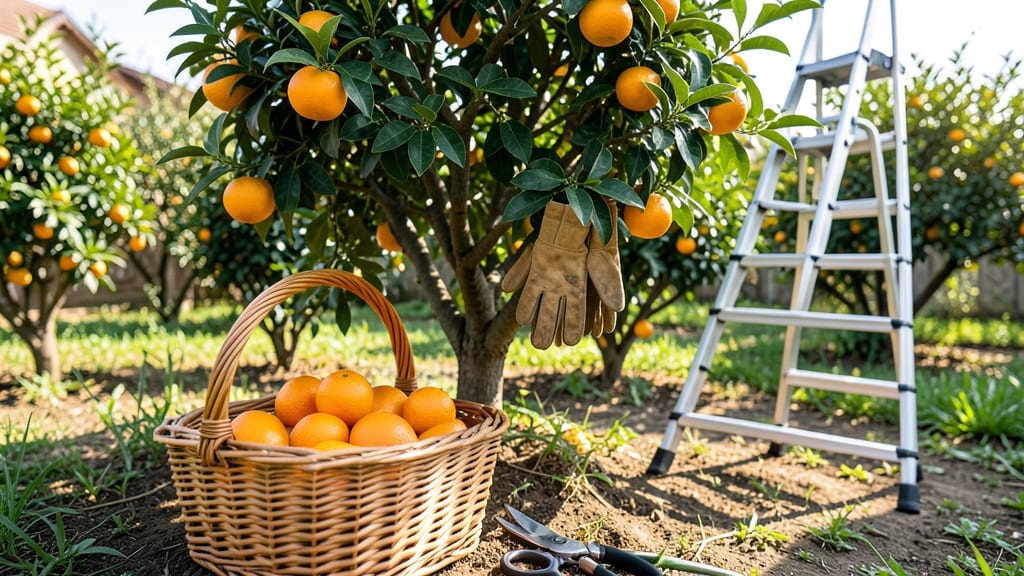
The mandarin fruiting season is your golden ticket to a tree laden with sweet, juicy 🍊 fruit—but only if you time it right. If you’ve ever wondered why your mandarin tree isn’t bearing fruit—or when to expect that sweet, citrusy bounty—timing is everything.
Here’s the catch: the mandarin fruiting season varies dramatically by climate zone, and knowing the exact months can mean the difference between a sparse harvest and a tree heavy with ripe fruit.
In frost-free zones like Florida or Hawaii, your tree might be fruiting year-round, while in cooler subtropical areas (like Zone 9a), the window narrows to late winter or early spring.
Whether you’re growing Clementines, Satsumas, or another variety, understanding the blooming periods, temperature needs, and sunlight requirements is key to maximizing your yield. Below, I’ll break down the exact months for peak harvests by zone, plus tips to extend your fruiting season and troubleshoot common mistakes.
Ready to turn your mandarin tree into a fruit-bearing powerhouse? Let’s dive into the science—and the secrets—behind a heavy harvest.
Mandarin fruiting season by USDA climate zones: exact months for peak harvest
Understanding your USDA climate zone is key to predicting when your mandarin tree (Citrus reticulata) will bear fruit. Unlike oranges, mandarins ripen faster—typically within 9-12 months—but their exact fruiting window shifts dramatically depending on whether you're in Zone 9, 10, or 11.
In warmer zones like 10b-11, you might enjoy year-round blooming, while Zone 9a gardeners should expect a tighter fall-winter harvest window.
Temperature plays a critical role: mandarins need consistent warmth (60°F+) for pollination, but extreme heat (above 95°F) can stunt fruit set. Meanwhile, cool nights (55-65°F) in Zone 9 trigger sweeter flavors.
Below, we break down the blooming periods, fruit development timelines, and peak harvest months for each zone—plus which varieties thrive best in your area.
⚠️ NON-NEGOTIABLE: The summary-table below shows the exact months for each stage of fruiting. Bookmark this for your harvest planning!
In Zone 9a, where frost is a risk, mandarins like Satsumas bloom in late winter (Feb-Mar) to avoid spring frosts. Their fruit takes 9-11 months to ripen, so you’ll harvest in October-December. These varieties are cold-hardy and perfect for cooler subtropical climates like Southern California or Georgia.
By Zone 9b, the window shifts slightly earlier: blooms start in early February, and fruit matures 1-2 months faster. This zone is ideal for Murcott mandarins, known for their sweet, honey-like flavor.
If you’re in Las Vegas or Phoenix, aim to harvest in September-November for peak sweetness.
Gardeners in Zone 10a (e.g., Houston, Miami) enjoy a longer growing season. Blooms appear January-March, and fruit ripens in just 7-9 months, giving you harvests as early as August. Imperial mandarins thrive here, offering thick skins and juicy segments—perfect for holiday gift baskets.
In Zone 10b and 11, mandarins can bloom year-round, but peak production aligns with cooler months (Jan-Mar) to avoid heat stress. Kinnow mandarins (a hybrid) dominate here, with harvests stretching from July-December.
If you’re in South Florida or Hawaii, you can even have two harvests per year!
Temperature extremes can disrupt fruiting. For example, heatwaves above 95°F in Zone 10b may cause fruit drop, while unexpected frosts in Zone 9a can kill blossoms. To protect your tree, mulch heavily in winter and use frost cloths during late-spring blooms.
How to extend your mandarin fruiting season: pruning, pollination, and climate hacks
Want to enjoy mandarins year-round? Extending your mandarin fruiting season is all about strategic timing and care. By combining pruning techniques, hand-pollination methods, and microclimate adjustments, you can coax fruit production even outside the natural window.
The key lies in understanding your tree’s growth cycles and creating ideal conditions for blossoming and fruiting.
First, let’s tackle the biggest challenge: seasonal limitations. Mandarin trees thrive in warm climates but often struggle with frost or cool temperatures that halt blooming. With the right climate hacks, you can shield blossoms and encourage multiple fruiting cycles.
Whether you’re growing outdoors or indoors, these methods will help you maximize your harvest.
For indoor trees, hand-pollination becomes even more critical. Since natural pollinators like bees can’t reach indoor flowers, you’ll need to take matters into your own hands. Grab a soft paintbrush or cotton swab and gently transfer pollen from flower to flower.
Focus on morning hours when flowers are fully open and pollen is most abundant.
Another game-changer is microclimate adjustments. If your mandarin tree is exposed to late frost or cool nights, consider wrapping the trunk with bubble wrap or using a tree blanket to insulate it.
For blossoms, a lightweight row cover can provide just enough protection to extend the blooming window by a few weeks.
Finally, don’t overlook the power of seasonal pruning. While winter pruning is essential for shaping and rejuvenating the tree, a light summer pruning can encourage a second flush of blossoms in some varieties.
Just be sure to remove only suckers and overcrowded branches—never more than 25% of the canopy at once.
With these climate hacks and pollination tricks, you’ll be well on your way to enjoying a year-round mandarin harvest, even in less-than-ideal conditions. 🍊🌳✂️