
Trees
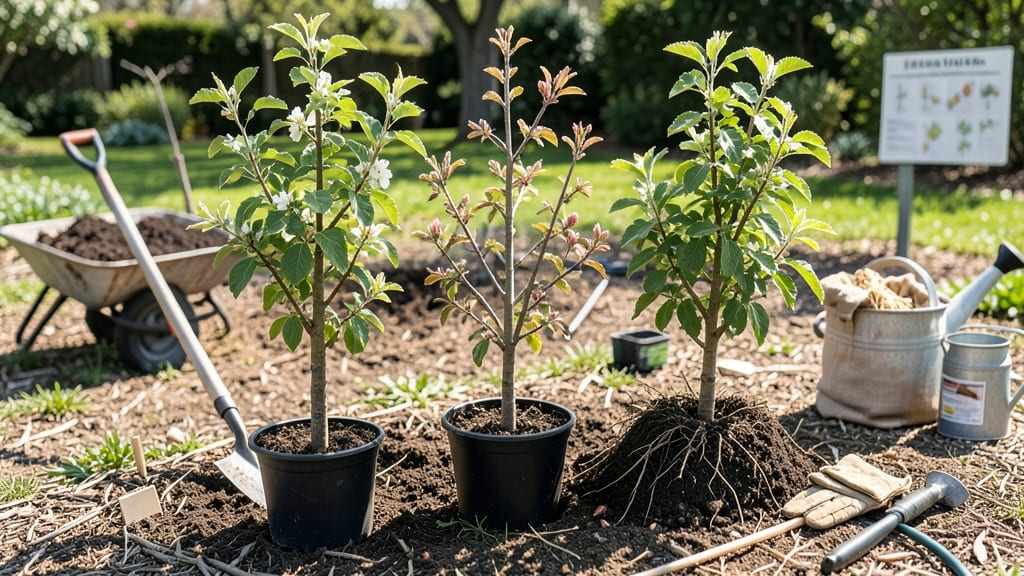
Planting fruit trees in Virginia at the right time ensures strong root growth before summer heat and avoids frost damage that can kill young 🌱 trees.
Picture this: you’ve picked out the perfect apple or peach tree, only to watch it struggle—or worse, die—because you planted it too early or too late. Timing isn’t just about the calendar; it’s about matching your USDA zone, soil warmth, and winter chill needs to the tree’s requirements.
Virginia’s climate varies dramatically from the mountains to the coast, meaning what works in Zone 5 might fail in Zone 7. Bare-root trees need cooler soil, while container-grown ones can handle warmer conditions, and peaches demand more chill hours than apples.
In this guide, I’ll break down the exact months to plant by zone, how to prep your soil for Virginia’s clay-heavy earth, and which varieties thrive where—so you can finally grow fruit trees that bear like champions.
Virginia’s USDA Zones & best planting months for fruit trees
Virginia spans USDA Zones 5b through 8a, creating a diverse climate where fruit trees thrive—but only if planted at the right time. The last spring frost dates vary dramatically across the state, from late March in Zone 8a (southeastern Virginia) to early May in Zone 5b (mountain regions).
This variation means your planting window could shift by weeks, depending on where you live.
Most fruit trees—like apples, peaches, and pears—need 600-1,000 hours of winter chill (temperatures between 32°F and 45°F) to produce fruit. Planting too early in Zone 5b risks frost damage, while waiting too long in Zone 8a can delay root establishment.
The key? Bare-root trees (dormant) plant in late winter to early spring, while container-grown trees can go in until April in most zones.
Bare-root trees are ideal for Virginia gardeners—they’re cheaper, establish faster, and handle transplant shock better. For container-grown trees (like those from big-box stores), you’ve got a slightly longer window but must monitor soil temperatures. Soil should be at least 50°F before planting to avoid root rot.
In Zone 5b, aim for March to early April—this gives roots time to establish before summer heat. Zone 6a gardeners can plant as early as late February for bare-root trees, while container-grown trees should wait until April to avoid transplant shock.
For Zone 7a and 8a, January–February is prime time, but avoid planting if frost is forecasted within two weeks.
Peaches and nectarines are low-chill crops (300–500 hours), making them perfect for Zones 7a–8a. Apples and pears, however, need 800+ chill hours, so they’re better suited for Zones 5b–6a.
Always check the chill hour requirements of your chosen variety—mismatches lead to poor fruiting or no fruit at all.
Urban gardeners with limited space can opt for dwarf or semi-dwarf varieties planted in large containers. These can go in anytime soil isn’t frozen, but use self-watering pots to prevent drought stress. Add compost and mycorrhizal fungi to the planting hole to boost root growth in containers.
After planting, mulch heavily (4–6 inches of wood chips) to retain moisture and regulate soil temperature. Water deeply once a week for the first month, then taper to every 10–14 days once established. Avoid overhead watering to prevent fungal diseases like apple scab or peach leaf curl.
For the best results, prune in late winter (before buds swell) to shape your tree and remove dead wood. This also encourages stronger spring growth. If you’re in Zone 8a, consider late-summer pruning to reduce heat stress on newly planted trees.
Local nurseries like Virginia Cooperative Extension offer soil tests and zone-specific variety recommendations. Their Master Gardener programs also host free workshops on fruit tree care—perfect for beginners. Pro tip: Call ahead to check bare-root tree availability, as supplies sell out fast in early spring.
How to choose the right fruit tree varieties for Virginia’s climate
Virginia’s climate offers diverse growing conditions—from the cool mountain zones of the west to the humid coastal plains in the east. Selecting the right fruit tree varieties ensures success, whether you’re in USDA Zone 5 or Zone 8.
The key? Matching varieties to your local microclimate and seasonal extremes.
For example, ‘Liberty’ apples thrive in Virginia’s variable winters thanks to their fire blight resistance and cold hardiness. Meanwhile, ‘Redhaven’ peaches love the warmer southern regions but struggle in northern Virginia’s harsh winters. Your choice depends on chill hours, heat tolerance, and soil conditions.
Here’s a quick pros-cons comparison for Virginia’s top fruit tree varieties to help you decide:
- Cold-hardy (Zones 5-8)
- Disease-resistant (fire blight)
- Reliable harvest (late summer)
- Needs cross-pollination
- Slower growth rate
- Heat-tolerant (Zones 6-9)
- Sweet flavor (late summer)
- Faster maturity (3-4 years)
- Susceptible to peach leaf curl
- Short lifespan (15-20 years)
If you live in northern Virginia (Zones 5-6), prioritize cold-hardy varieties like ‘Akane’ apples or ‘Montgomery’ pears. These trees handle low winter temps and late frosts better than southern varieties. For coastal Virginia (Zones 7-8), opt for heat-tolerant options like ‘Elberta’ peaches or ‘Hood’ sweet cherries.
Don’t overlook dwarf varieties for small spaces! ‘Columnar’ apples or ‘Bonanza’ peaches grow 30-50% smaller than standard trees, making them perfect for urban gardens or backyard orchards. Just ensure they get full sun (6+ hours) and well-draining soil.
For urban gardeners, consider container-grown trees like ‘Semi-Dwarf’ figs or ‘Patio’ peaches. These adapt to limited space and microclimates (e.g., near heat-retaining walls). Just move pots to sheltered spots during late spring frosts.
Pro tip: Check your local extension office for chill hour maps—Virginia’s western mountains get 1,000+ chill hours, while Tidewater may only see 500-700. Match your tree’s chill requirements to avoid poor fruit set.