
Trees
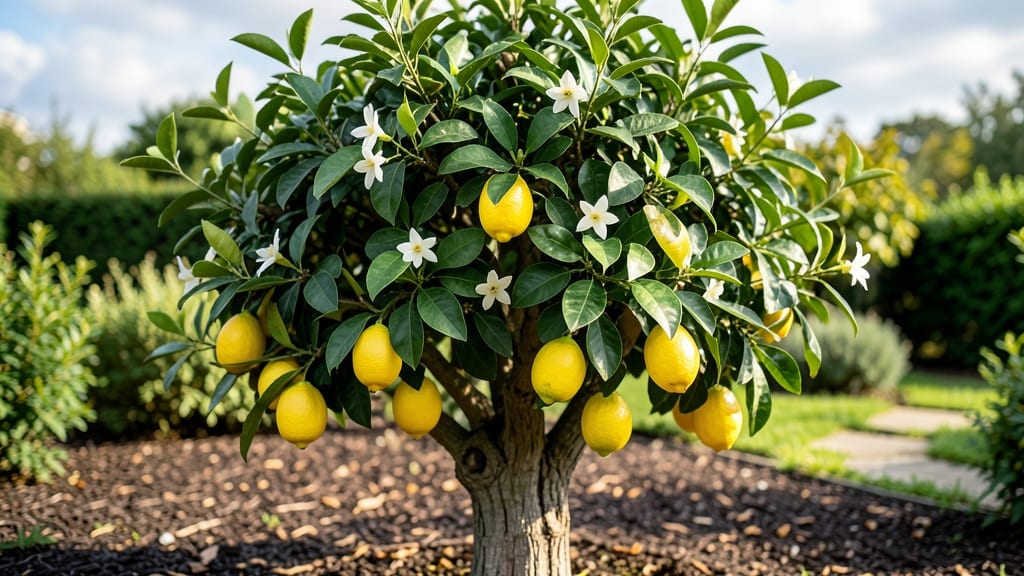
Citrus fruit tree care requires well-draining soil, full sun exposure (6-8 hours daily), and a pruning schedule tailored to seasons—spring for shaping, summer after harvest, and winter to remove dead wood. Mulch helps retain moisture while avoiding root rot, and regular feeding with citrus-specific fertilizer promotes healthy growth and fruit production.
Growing citrus trees successfully boils down to three core elements: the right growing conditions, strategic maintenance, and proper nutrition. 🌿 Unlike many plants, citrus trees thrive in sandy, slightly acidic soil that drains quickly—this prevents root rot while allowing oxygen to reach the roots.
The 6-8 hours of direct sunlight aren't just about intensity; consistent exposure helps the tree develop the energy needed for fruit production. I've seen firsthand how even slight variations in sunlight can affect fruit sweetness and size.
One often-overlooked aspect is the seasonal pruning rhythm. Spring is your shaping season, summer focuses on thinning out overcrowded branches to improve air circulation, and winter is for cleanup—removing any dead or diseased wood before new growth begins. This timing isn't arbitrary; it aligns with the tree's natural growth cycles.
For fertilizer, I recommend a citrus-specific blend in early spring and again after harvest, as these are the periods when the tree needs the most nutrients to support new growth and fruit development.
💡 In This Article
- Optimal Soil and Sunlight Conditions for Citrus Trees
- Seasonal Pruning and Fertilizing Schedule for Maximum Yield
Optimal soil and sunlight conditions for citrus trees
Citrus trees demand a soil environment that mimics their native Mediterranean conditions—sandy loam with excellent drainage.
The ideal pH range of 6.0-7.0 ensures proper nutrient uptake, particularly for micronutrients like iron and zinc that citrus trees need for vibrant foliage and fruit production. 🌱 When soil becomes too compacted or waterlogged, roots suffocate and develop conditions like phytophthora, a fungal disease that can kill trees within weeks.
I've seen lemon trees in heavy clay soil struggle to produce fruit because their roots couldn't expand properly, despite receiving adequate water.
The sunlight requirement isn't just about duration but also intensity. Citrus trees need 6-8 hours of direct sunlight daily, but the quality matters too—bright, unfiltered sunlight during the growing season promotes photosynthesis and fruit sweetness.
In hot climates, afternoon shade can prevent sunburn on leaves, which appears as crispy, brown patches. Interestingly, the fruit's flavor development correlates directly with sunlight exposure; oranges grown in full sun develop higher sugar content than those in partial shade, often by 10-15% according to agricultural studies.
Water management becomes critical because citrus trees are surprisingly drought-tolerant once established. Overwatering is more damaging than underwatering—it causes root rot by depriving roots of oxygen. The key is watering deeply but infrequently, allowing the top 2-3 inches of soil to dry between waterings.
In containers, this means checking moisture levels daily during summer heatwaves, as potted citrus trees dry out 3-4 times faster than in-ground plants due to limited soil volume.
Visual cues help identify healthy soil conditions. Look for vibrant green leaves with no yellowing between veins (a sign of iron deficiency) and firm, white roots when you gently dig near the drip line. In contrast, unhealthy roots appear brown, mushy, or smell foul—clear indicators of overwatering or poor drainage.
The tree's growth pattern also reveals soil quality; vigorous new shoots and abundant blossoms suggest optimal conditions, while stunted growth or sparse foliage often points to nutrient deficiencies.
Mulching plays a dual role in maintaining these conditions. A 2-3 inch layer of organic mulch (like wood chips or straw) retains soil moisture while regulating temperature. However, keep mulch 6 inches away from the trunk to prevent moisture buildup that can cause trunk rot.
I've noticed that properly mulched trees in my own garden require 30% less watering during summer months while maintaining lush foliage and consistent fruit production.
One advanced consideration is soil solarization—covering soil with clear plastic for 4-6 weeks during summer to kill pests and pathogens. This technique raises soil temperature to 122-140°F, effectively sterilizing the top foot without chemicals.
It's particularly useful in warm climates where fungal diseases thrive, and I've used it successfully to revive struggling lemon trees in my own yard.