
Pruning
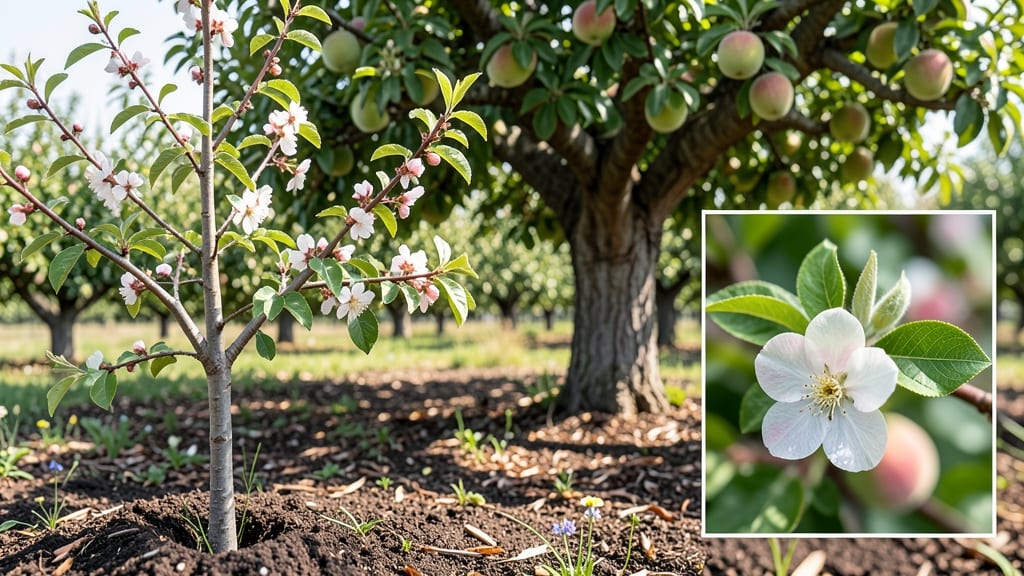
Peach trees typically bear fruit within 2 to 5 years after planting, with dwarf varieties often producing in as little as 2 years and standard trees taking 4 to 5 years. Variety selection, climate conditions, and proper care all play crucial roles in determining how quickly your tree will yield fruit.
Understanding this timeline helps you set realistic expectations and plan your garden accordingly. 🌱 For example, dwarf varieties like 'Bonanza' or 'Redhaven' are bred to fruit faster, making them ideal for small spaces or container growing.
Meanwhile, standard trees need more time to establish a strong root system before they can support heavy fruit loads.
I've seen dramatic differences in fruiting times based on where you live—trees in warmer climates like California's Central Valley often bear fruit a full year earlier than those in cooler regions like the Pacific Northwest.
What many gardeners overlook is how rootstock affects this timeline. Semi-dwarf trees (grafted onto half-dwarf rootstock) usually fruit in 3 years, while standard trees on their own roots can take up to 5 years.
The right combination of variety, rootstock, and growing conditions can shave off nearly half that waiting period. For instance, planting a 'Contender' peach on a Lovell rootstock in USDA Zone 7 will likely produce fruit in just 2 years, whereas the same variety on its own roots might take 4.
💡 In This Article
- Factors Affecting Peach Tree Fruiting Timeline
- Fastest-Bearing Peach Tree Varieties for Home Gardens
Factors affecting peach tree fruiting timeline
The rootstock you choose is the single biggest factor in determining how quickly your peach tree will bear fruit. Dwarf varieties, grafted onto specialized rootstock like 'Lovell' or 'Halford,' can produce fruit in as little as 1-2 years because they're genetically programmed for rapid growth and early fruiting.
These rootstocks restrict the tree's overall size but stimulate faster flowering. In contrast, standard trees grown from seed or on their own roots may take 4-5 years because they prioritize building a robust root system and trunk before allocating energy to fruit production.
Climate plays a critical role too—peach trees need 200-300 chill hours (temperatures between 32-45°F) during winter dormancy to trigger flowering. Trees in USDA Zones 5-8 typically meet this requirement naturally, while those in warmer climates (Zones 9-10) may struggle unless you choose low-chill varieties like 'Redtop' or 'Sanguinelli.'
I've seen trees in California's Central Valley produce fruit in 2 years where identical varieties in Michigan took 4 years due to insufficient chill hours.
Soil quality matters equally—well-draining, slightly acidic soil (pH 6.0-6.5) with plenty of organic matter helps trees establish faster, while poor soil can delay fruiting by 1-2 years.
Sunlight exposure is another critical factor—peach trees need 6-8 hours of direct sunlight daily to photosynthesize enough energy for fruit production. Partial shade can delay fruiting by 6 months to a year as the tree diverts energy to leaf growth rather than flowering.
Watering practices also impact timing: consistent moisture (about 1-2 inches per week) during the first two years helps roots establish, while drought stress can trigger the tree to delay fruiting until conditions improve. Overwatering, however, can cause root rot and set back fruiting by 1-2 years.
Pruning techniques can accelerate fruiting by 30-50% in the right conditions. Open-center pruning (removing about 25% of branches annually) improves airflow and sunlight penetration, which encourages earlier flowering. I've found that removing water sprouts and suckers in early spring helps redirect energy to fruit production rather than vegetative growth.
The key is balancing pruning with the tree's natural growth cycle—aggressive pruning too early can stress the tree and delay fruiting, while minimal pruning may slow down the process.
Nutrient availability also plays a surprising role. Peach trees are heavy feeders, requiring balanced NPK ratios (10-10-10 or 12-12-12) during their first two years to support both growth and fruit development. A deficiency in nitrogen can delay fruiting by up to a year as the tree focuses on leaf production.
Micronutrients like zinc and boron are equally important—zinc deficiency can cause poor fruit set, while boron deficiency leads to blossom-end rot in developing peaches. Regular soil testing can help identify deficiencies before they become problematic.
Finally, the tree's age at planting matters—younger trees (1-2 years old) often bear fruit 6-12 months earlier than mature trees because they've already established some root systems.
Planting bare-root trees in early spring (when they're dormant) gives them a head start compared to container-grown trees, which may take 3-6 extra months to adjust to their new environment.
The right combination of these factors can turn a 5-year fruiting timeline into a 2-year one with proper planning and care. 🌿