
Trees
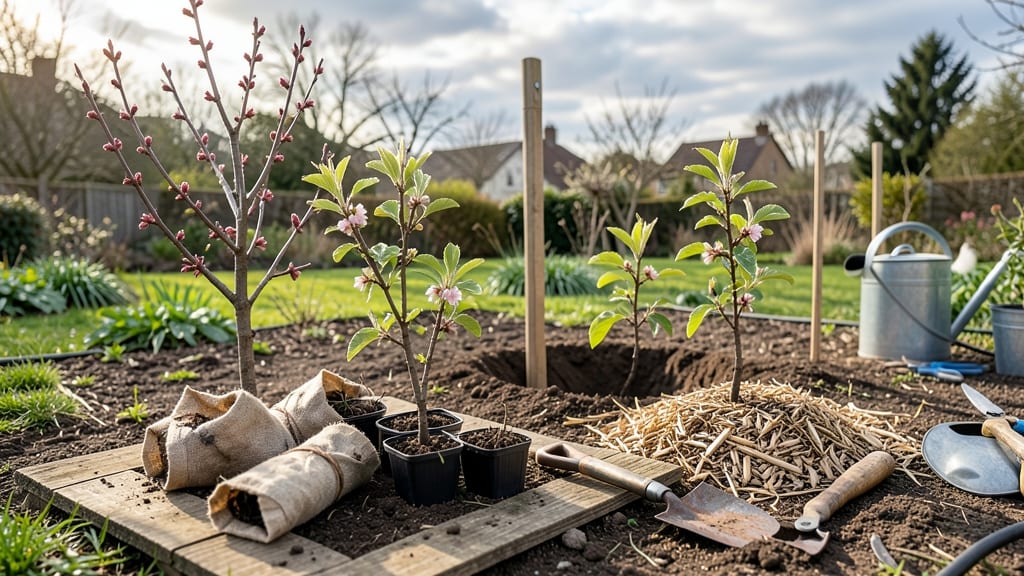
Planting fruit trees in Missouri at the wrong time can turn a dream harvest into years of disappointment—especially when chill hours and frost dates collide.
Picture this: you’ve picked out the perfect 🍎 apple or peach tree, but by the time you plant it, the soil is still too cold—or the heat arrives before the roots take hold.
That’s why timing isn’t just important; it’s the difference between a thriving orchard and a sad, stunted sapling.
Missouri’s USDA zones 5b-6b give you two ideal windows: early spring (March-April) or fall (October-November), when trees are dormant but the ground isn’t frozen. But not all fruit trees are created equal—apples need 800+ chill hours, while peaches thrive with just 300-500.
Get this wrong, and you’ll end up with blooms that never fruit.
In this guide, I’ll break down the exact months to plant by variety, how chill hours shape your success, and the 5 critical mistakes Missouri gardeners make—so you can finally grow the orchard you’ve always wanted.
Best planting months for Missouri fruit trees by climate zone
Missouri’s four USDA hardiness zones (5b-7a) create distinct planting windows for fruit trees. Spring and fall are the gold standards, but timing varies by zone and tree type. Northern Missouri (zones 5b-6a) has shorter growing seasons, while southern regions (zone 7a) can plant later.
Let’s break down the best months for apple, peach, pear, and cherry trees to maximize root growth and survival.
For bare-root trees, fall planting is ideal because cooler temperatures reduce transplant shock. Container-grown trees, however, can be planted in early spring (March-April) or late fall (October-November). Missouri’s last frost typically arrives around April 15, but this shifts 1-2 weeks depending on elevation. First frost usually hits by October 15, so plan accordingly.
Here’s how to match your climate zone to the perfect planting window for each fruit tree type:
| Zone | Tree Type | Best Planting Months | Why This Timing? |
|---|---|---|---|
| 5b (North) | Apple | Late April–May or October | Cooler soil temps reduce shock; avoids late frosts. |
| 5b (North) | Peach | March–April (bare-root) or October | Peaches need early root establishment for summer fruit. |
| 6a (Central) | Pear | April or October–November | Pears tolerate wider soil temps; fall planting extends root growth. |
| 6a (Central) | Cherry | March–April (dormant) or October | Cherries thrive with early spring planting for rapid spring growth. |
| 7a (South) | Apple | April–May or November | Warmer zones allow later spring planting; fall planting avoids summer heat stress. |
| 7a (South) | Peach | March–April or November | Peaches in southern Missouri need early planting to avoid late frosts damaging blossoms. |
In northern Missouri (zone 5b), apples and pears should be planted in late April–May to avoid late frosts that can damage new growth. Peaches and cherries, which bloom early, benefit from March–April planting to ensure roots establish before summer heat. Fall planting (October) works for all trees but must be completed 4-6 weeks before first frost.
For central Missouri (zone 6a), the window expands slightly. Pears are the most flexible, tolerating April or October–November planting. Cherries, however, need March–April planting to avoid late frosts that can kill blossoms. Apples in this zone can also handle late fall planting (November), provided soil isn’t frozen.
Southern Missouri (zone 7a) offers the longest planting season, but timing still matters. Peaches and apples planted in April–May avoid late frosts, while fall planting (November) is ideal for bare-root trees to establish roots before winter. Cherries in this zone can sometimes be planted as late as early December, but only if soil temps stay above 40°F.
Regardless of zone, avoid planting in summer (June–August) because high soil temps stress roots and increase transplant shock. Container-grown trees are the exception—they can be planted in early spring or late fall when not dormant, but bare-root trees always require dormant-season planting.
Pro tip: Test your soil pH (6.0–7.0) before planting, and amend with compost for better root establishment. Mulch heavily (3–4 inches) after planting to retain moisture and regulate soil temps. Water deeply once a week for the first year, especially during Missouri’s dry summers.
Timing your fruit tree planting correctly ensures stronger root systems, healthier growth, and bigger harvests in years to come. Missouri’s climate is forgiving if you follow these zone-specific guidelines—so grab your shovel and get planting!
How chill hours determine your fruit tree’s success in Missouri
Missouri’s fruit trees thrive when you match their chill hour needs to your local climate. These hours—measured during winter dormancy—trigger blooming and fruiting. Most Missouri varieties require 300–1,200 chill hours, but picking the wrong type can lead to poor yields or no fruit at all.
For example, ‘Honeycrisp’ apples need 800–1,000 chill hours, while ‘Elberta’ peaches thrive with 500–700 hours. Missouri’s USDA zones 5b–6b typically provide 500–1,000 chill hours, but microclimates near rivers or hills can vary by 100–200 hours.
| Variety | Chill Hours Needed | Best Missouri Zones | Notes |
|---|---|---|---|
| ‘Honeycrisp’ Apple | 800–1,000 | 5b–6b | Crisp, sweet; needs cross-pollination |
| ‘Elberta’ Peach | 500–700 | 5b–6a | Juicy, freestone; prone to brown rot |
| ‘Bartlett’ Pear | 400–600 | 5b–6b | Sweet, early ripening; needs staking |
| ‘Starking Delicious’ Apple | 600–800 | 5b–6b | Red, tart-sweet; stores well |
| ‘Religious’ Cherry | 300–500 | 5b–6a | Sweet, dark red; self-pollinating |
If you live in northern Missouri (zone 5b), prioritize varieties like ‘Elberta’ peaches or ‘Bartlett’ pears, which tolerate lower chill hours. Southern Missouri (zone 6b) can handle ‘Honeycrisp’ apples or ‘Starking Delicious’ without risking poor blooming.
Always check your local chill hour data—some areas near the Missouri River or Ozark Mountains may exceed 1,000 hours. Use a chill hour calculator or consult your local extension office for precise numbers before buying trees.
Planting the right variety ensures your tree blooms heavily and produces fruit reliably. Skip the guesswork: match chill hours to your microclimate for a harvest you’ll love every season. 🌳