
Fertilization
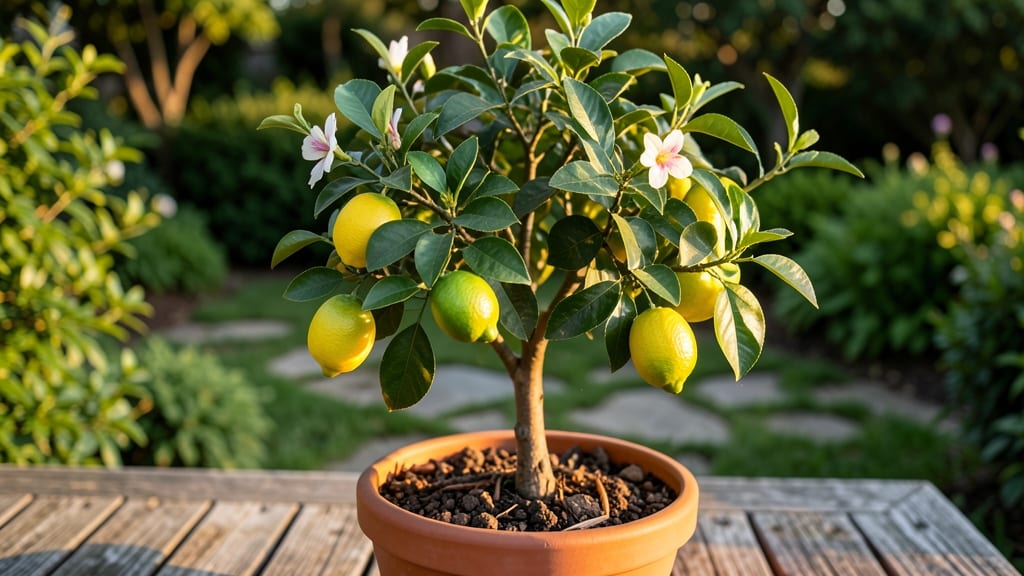
Growing tiny citrus fruit like calamondin and kumquat lets you harvest sunshine in a pot. 🌿 These dwarf varieties thrive in containers, producing fruit year-round with the right care—no backyard needed. I’ve grown them in my sunroom for three winters, and the tart-sweet rewards make the effort worth it.
The secret starts with the right variety for your space: calamondin for small pots, kaffir lime for bold leaves, or kumquat for edible skins. They all need 6+ hours of sunlight daily, whether outdoors or under grow lights.
Well-draining soil (mix potting mix with perlite) keeps roots happy, and a 5-gallon pot works for starters.
By summer, you’ll see glossy new leaves and tiny blossoms—then the fruit. Harvest when firm but yielding to gentle pressure, and the flavor explodes with citrusy brightness. Prune lightly after harvest to encourage bushier growth, and fertilize monthly with citrus-specific feed during growing months.
Common challenges? Aphids or root rot—both preventable with neem oil sprays and proper drainage. Even in apartments, these citrus gems deliver year-round harvests with minimal fuss. Ready to grow your own sunshine?
Root Causes Of Stunted Growth
Understanding why citrus trees produce tiny fruit—even in dwarf varieties—often boils down to a mix of environmental, nutritional, and physiological factors. While dwarf citrus trees are bred for compact size, their fruit can still suffer from stunted development if key needs aren’t met.
Below, we break down the primary culprits behind small citrus fruit, along with actionable science-backed explanations.
Citrus trees require a balanced nutrient profile to produce healthy, full-sized fruit. When soil lacks critical elements, the tree prioritizes survival over fruit development, leading to tiny, underdeveloped citrus.
- Nitrogen Deficiency (💡 The Growth Limiter) Nitrogen fuels leaf and fruit expansion, but too little causes smaller, fewer fruit and yellowing leaves.
A soil test revealing low nitrogen (below 0.1% organic matter) is a red flag. Fix it: Apply a slow-release nitrogen fertilizer (like blood meal or fish emulsion) at the start of the growing season.
- **Potassium Shortage (🍊 The Ripening Roadblock) Potassium regulates fruit size, sweetness, and disease resistance. Deficiency symptoms include weak stems, yellowing leaf edges, and—you guessed it—tiny, hard citrus**. Fix it: Use a potassium-rich fertilizer (like greensand or wood ash) or a balanced 5-10-10 blend during flowering.
- **Micronutrient Deficiencies (🔍 The Hidden Saboteurs) Even trace elements like zinc, iron, or manganese play a role.
For example, zinc deficiency causes little leaf disorder**, stunting new growth and fruit. Fix it: Apply chelated micronutrients (like zinc sulfate or iron EDTA) as a foliar spray if soil tests confirm deficiencies.
Citrus trees are sensitive to their surroundings, and stress from heat, cold, or water issues can trigger tiny fruit as a survival response.
- **Extreme Heat or Cold (🌡️ The Temperature Trap) Heat stress (above 95°F) disrupts pollination and fruit set, while frost damage** (below 28°F) can kill flower buds before they open. Fix it:
- Shade cloth (30-50%) during peak summer heat.
- Windbreaks or row covers for winter protection.
- Mulch (straw or wood chips) to stabilize soil temps.
- **Watering Woes (💧 The Goldilocks Problem) Too little water = small, sour fruit (due to poor cell expansion).
Too much water = root rot**, which starves the tree of nutrients. Fix it: Aim for 1–1.5 inches of water per week (more in containers) and improve drainage with perlite or sand in potting mixes.
- **Poor Pollination (🐝 The Missing Link) Many dwarf citrus varieties are self-pollinating, but humidity, lack of bees, or weak flowers** can reduce fruit size. Fix it:
- Hand-pollinate with a soft brush on cloudy, cool days.
- Plant bee-friendly flowers nearby (like lavender or marigolds).
Sometimes, the tree itself is the problem—whether due to age, disease, or overcrowding.
- **Young or Overworked Trees (🌱 The Energy Drain) Newly planted citrus trees prioritize root and leaf growth over fruit, leading to tiny harvests.
Even mature trees stressed by heavy fruiting** may produce small citrus. Fix it: - Thin fruit (remove 50% of young fruit) to redirect energy to larger remaining ones. - Avoid over-fertilizing with nitrogen—it encourages foliage over fruit.
- **Disease or Pest Damage (🦟 The Silent Thieves) Citrus greening (HLB) and root-knot nematodes weaken trees, reducing fruit size.
Look for yellowing leaves, stunted branches, or dieback**. Fix it: - Inspect leaves weekly for pests (aphids, scale). - Use systemic fungicides (like copper sprays) for fungal issues. - Replace infested soil if nematodes are severe.
- **Root Bound or Small Containers (🏺 The Space Crunch) Dwarf citrus in too-small pots** (under 15 gallons) can’t support large fruit. Fix it:
- Repot every 2–3 years into slightly larger containers.
- Prune roots if they’re circling the pot (trim outer roots gently).
Pro Tip: 🔥 Keep a growth journal! Track watering, fertilizing, and fruit size trends to spot patterns. Often, tiny citrus is a cumulative issue—fixing one factor (like nutrients) won’t help if others (like pollination) are neglected.
Fixing Small Citrus Fruit Issues
Growing tiny citrus fruit can be frustrating, but with the right adjustments, you can encourage healthier, larger harvests. Below are targeted solutions for common causes—from soil and nutrition to environmental factors—along with prevention tips to keep your dwarf citrus thriving.
If your citrus trees are producing small fruit, they may lack essential nutrients or be planted in depleted soil. Citrus trees thrive in well-draining, slightly acidic soil (pH 6.0–7.0) rich in organic matter.
How to Fix It:
- Test your soil 🧪 – Use a home soil kit or send a sample to a local extension office to check pH and nutrient levels.
- Amend the soil – Mix in compost, aged manure, or coconut coir to improve texture and fertility. For container-grown trees, repot every 2–3 years with fresh potting mix.
- Fertilize properly 🌿 – Use a balanced citrus fertilizer (e.g., 6-6-6 or 8-3-9) with micronutrients like zinc, iron, and magnesium. Apply in 3–4 split doses (spring through early fall) to avoid overloading the tree.
- Try foliar sprays 🍃 – If deficiency symptoms appear (yellow leaves, stunted growth), use seaweed extract or chelated iron to provide a quick nutrient boost.
💡 Prevention Tip: Mulch with wood chips or straw to retain moisture and slowly release nutrients into the soil.
Citrus trees need 6–8 hours of direct sunlight daily to produce fruit properly. Shade or weak light leads to small, underdeveloped fruit.
How to Fix It:
- Relocate the tree 🌞 – Move potted citrus to a sunnier spot, like a south- or west-facing patio or balcony.
- Use reflective surfaces 🪞 – Place white walls, mirrors, or light-colored mulch nearby to bounce extra light onto the tree.
- Supplement with grow lights ⚡ – If outdoor light is limited (e.g., in winter or urban settings), use full-spectrum LED grow lights for 12–14 hours/day.
- Prune obstructive branches ⏰ – Trim nearby trees, buildings, or tall plants that cast shade on your citrus tree.
💡 Prevention Tip: If growing indoors, rotate the pot weekly so all sides get even light exposure.
Too much water or soggy roots can stunt fruit growth by preventing nutrient uptake and causing root rot.
How to Fix It:
- Check drainage 🚰 – Ensure pots have drainage holes, and use a mix of potting soil, perlite, and sand (or orchid bark) for airflow.
- Water deeply but less often 💦 – Water when the top 1–2 inches of soil are dry. Stick your finger in—if it’s damp, wait. Overwatering is worse than underwatering!
- Use self-watering pots 🌱 – For container growers, self-watering systems or drip irrigation help maintain consistent moisture without drowning roots.
- Repot if needed 🔄 – If roots are circling or the soil stays waterlogged, repot into a larger container with fresh, well-draining mix.
💡 Prevention Tip: Add a layer of gravel or broken pottery at the bottom of pots to improve drainage.
Pests like aphids, scale, or citrus leaf miners and diseases (e.g., citrus greening) can weaken trees, leading to small or deformed fruit.
How to Fix It:
- Inspect leaves & fruit 🔍 – Look for sticky residue (aphids), bumps (scale), or white webbing (spider mites). Remove infested leaves immediately.
- Spray with neem oil 🌿 – A natural pesticide, neem oil disrupts pests’ life cycles. Apply every 7–10 days during outbreaks.
- Introduce beneficial insects 🐝 – Ladybugs, lacewings, and parasitic wasps eat common citrus pests. Buy them online or attract them with native plants.
- Treat fungal issues 🍄 – If you see black spots or mold, spray with copper fungicide or baking soda solution (1 tbsp baking soda + 1 quart water + a drop of dish soap).
- Remove infected fruit 🚫 – Prune and dispose of severely damaged fruit to prevent spread.
💡 Prevention Tip: Quarantine new plants for 2 weeks before introducing them to your citrus grove.
Citrus trees are tropical and struggle in extreme cold or heat, which can halt fruit development.
How to Fix It:
- Protect from cold snaps ❄️ – Move potted trees to a garage or covered patio if temps drop below 40°F (4°C). Use frost blankets for extra insulation.
- Shade from intense heat 🔥 – In scorching climates, provide afternoon shade (use shade cloth, umbrellas, or lattices).
- Mist leaves in dry heat 💧 – Lightly misting helps reduce transpiration stress, but avoid wetting fruit to prevent sunburn.
- Use row covers 🏔️ – Lightweight fabric can shield trees from windburn or sudden temperature drops.
💡 Prevention Tip: Choose cold-hardy dwarf varieties like ‘Calamondin’ or ‘Improved Meyer Lemon’ if you live in cooler zones.
Some dwarf citrus varieties (like Meyer lemons or kumquats) may need help with pollination, especially in containers or greenhouses.
How to Fix It:
- Use a small brush 🎨 – Gently transfer pollen from male to female flowers (if your variety has separate sexes). Do this early in the morning when flowers are open.
- Attract pollinators 🐝 – Plant bee-friendly flowers (e.g., basil, marigolds, or lavender) nearby to encourage natural pollination.
- Vibrate flowers 🔊 – Lightly tap branches to dislodge pollen if bees aren’t visiting.
💡 Prevention Tip: Shake trees gently during bloom time to boost pollination chances.
| Issue | Quick Fix | Prevention |
|---|---|---|
| Small, hard fruit | Fertilize with citrus-specific NPK | Test soil annually |
| Yellowing leaves | Chelated iron spray | Mulch with compost |
| Stunted growth | Repot in fresh soil | Rotate pots for even light |
| Pests present | Neem oil spray | Inspect weekly |
| Poor drainage | Add perlite to soil | Use pots with drainage holes |
By addressing these common issues, your dwarf citrus trees should reward you with juicier, larger fruit in no time! 🍋✨
Frequently asked questions
Which tiny citrus fruits are easiest for beginners to grow in containers?
Start with calamondin or kumquat—both thrive in 5-gallon pots and produce fruit year-round with 6+ hours of sunlight daily. Calamondin offers tart-sweet fruit perfect for cocktails, while kumquats are edible skin-and-all. Avoid finger limes if you want reliable harvests—they’re trickier to grow.
How do I know when tiny citrus fruit is ripe for picking?
Gently press the fruit—ripe citrus should yield slightly to pressure. Check for vibrant color (bright orange/yellow) and a sweet citrus aroma near the stem. Harvest before they fully soften to preserve flavor. Most dwarf varieties take 6-9 months from bloom to ripeness, depending on the type.
Can I grow tiny citrus indoors without natural sunlight?
Yes, but you’ll need grow lights for 12-14 hours daily. Place the pot under full-spectrum LEDs (like Samsung LM3000) within 6-12 inches of the foliage. Rotate the pot weekly for even growth. A sunny windowsill won’t provide enough light—citrus needs intense light to fruit properly.
Why are my tiny citrus trees dropping fruit before it ripens?
This usually signals nutrient deficiency (often potassium or calcium), underwatering, or temperature stress. Check soil moisture and fertilize with a balanced citrus blend (like 6-6-6). Move potted trees indoors if temps drop below 50°F or exceed 95°F. Prune any remaining fruit to encourage healthier growth.
What’s the best way to overwinter potted tiny citrus trees?
Move them to a cool, bright location (like a garage with windows) where temps stay between 45-60°F. Reduce watering to every 2-3 weeks and stop fertilizing. Keep them in medium light (no direct sun) and mist leaves occasionally to prevent drying. Resume normal care in spring when buds appear.