
Shrubs
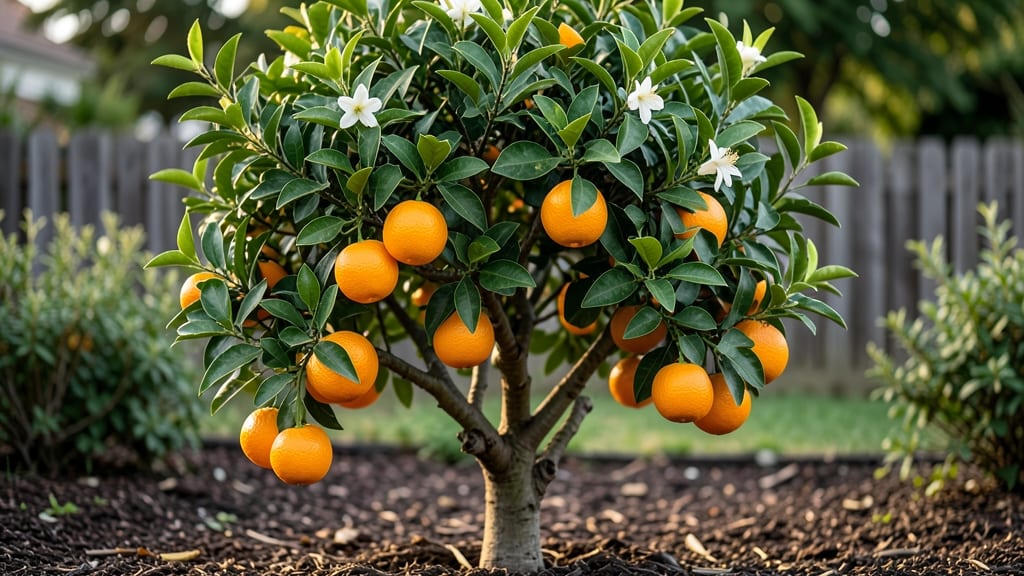
Small orange fruits like blood oranges, clementines, mandarins, and satsumas stand out for their bright color, balanced sweet-tart taste, and effortless peeling. These citrus varieties grow best in warm regions and are packed with vitamin C, perfect for snacking, juicing, or adding to desserts.
These tiny citrus powerhouses aren't just delicious—they're also packed with nutrients and versatility in the kitchen. 🍊 The mandarin family includes hybrids like clementines (sweeter, seedless) and satsumas (thin-skinned and cold-tolerant), while blood oranges offer a unique deep red hue and berry-like flavor.
Their small size makes them perfect for meal prep or snacking on the go, and their high vitamin C content supports immune health. Plus, their bright color adds visual appeal to any dish, from salads to holiday desserts.
What makes these fruits truly special is their adaptability. You can enjoy them fresh, blend them into smoothies, or use their zest to elevate baked goods. The easy-to-peel skins also make them ideal for kids' lunches or office snacks.
For gardeners, these trees thrive in containers, making them perfect for small spaces or patios—just ensure they get plenty of sunlight and well-draining soil.
💡 In This Article
- Botanical Traits of Small Orange Fruits
- Growing and Harvesting Small Citrus Trees
Botanical traits of small orange fruits
Small orange fruits belong primarily to the Citrus reticulata family, with mandarins serving as the foundational species. These citrus varieties are genetically distinct from larger oranges (Citrus sinensis) due to their thinner skins, fewer seeds, and sweeter flavor profiles.
The key difference lies in their hybrid ancestry—clementines, for example, are a cross between mandarins and sweet oranges, resulting in their seedless nature and slightly larger size compared to traditional mandarins.
The vibrant orange hue comes from carotenoid pigments like beta-cryptoxanthin, which also contribute to their antioxidant properties. Blood oranges, however, contain anthocyanins that create their striking red-purple flesh, giving them a berry-like depth of flavor.
These pigments develop under cooler temperatures during fruit maturation, which is why blood oranges are typically harvested between November and February in Mediterranean climates. 🌱 The skin texture varies too—mandarins have loose, dimpled peels, while satsumas feature ultra-thin, smooth skins that peel effortlessly, almost like a glove.
Tree structure plays a crucial role in fruit development. Mandarin trees grow to 10-16 feet tall with dense, thorny branches that produce abundant fruit. Unlike their larger orange relatives, these trees have shallower root systems, making them more susceptible to drought but also easier to grow in containers.
The fruit's small size (typically 2-3 inches in diameter) is an evolutionary adaptation for easier dispersal by animals, though modern cultivation focuses on maximizing sweetness and seedlessness through careful breeding.
Climate preferences are another defining trait. These citrus varieties thrive in subtropical zones with 250-300 frost-free days annually and temperatures between 60-90°F. The trees require 6-8 hours of direct sunlight daily and well-draining soil with a pH of 6.0-7.0.
Interestingly, satsumas can tolerate slightly cooler temperatures (20°F for short periods), making them the hardiest option for northern gardeners. This cold tolerance stems from their Japanese origins, where they evolved to withstand mild winters.
One fascinating botanical quirk is how these fruits develop. The peel's texture and color changes occur in stages—early fruits are green due to chlorophyll, which breaks down as carotenoids take over during ripening.
This process is triggered by sunlight exposure and temperature fluctuations, which is why fruits grown in sunnier climates develop deeper colors. The sweet-tart flavor balance comes from natural sugars (fructose and glucose) combined with citric acid, with vitamin C content ranging from 20-50mg per fruit, depending on the variety.
For home gardeners, understanding these traits helps in selecting the right variety. If you're in a cooler climate, satsumas or 'Imperial' mandarins are excellent choices. For warmer regions, blood oranges or 'Clementine' hybrids offer unique flavors.
The key is matching the tree's needs to your local conditions to ensure consistent fruit production and optimal taste. 🌿