
Shrubs
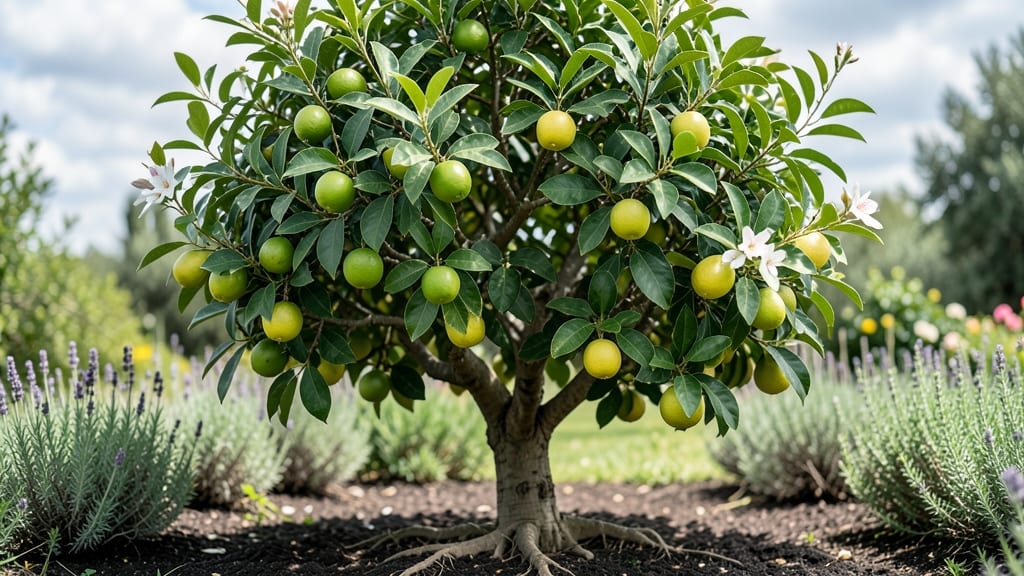
Growing small sour orange citrus fruit from seed is the fastest way to get a fragrant, fruit-bearing tree in your sunny yard. 🌱 I’ve started my sour orange trees this way—it’s not just rewarding, it’s addictive once you taste that first tart-sweet fruit straight off the branch.
The secret to fast germination lies in warm soil and patience: soak seeds overnight, plant them ½ inch deep in well-draining potting mix, and keep them in 75-85°F soil.
Most sprout within 2-4 weeks, but the real magic happens when you transplant them outdoors after the last frost—just don’t rush it.
Once established, these trees thrive in full sun, need moderate watering (let soil dry slightly between drinks), and reward you with glossy leaves and year-round harvests if you prune lightly after fruiting.
The first year is all about root growth, but by year two, you’ll have blossoms—and by year three, actual fruit. Common challenges? Frost is the biggest enemy—bring potted trees indoors before temps drop below 25°F.
Pests like aphids are easy to wash off with soapy water, and overwatering is the real killer. Stick to these basics, and you’ll have a tree that’s as tough as it is productive.
📚 In This Guide
- What you need
- Instructions
- Tips and common mistakes
- Wrapping up and next steps
What you need
- ● Sour orange seeds (or young grafted tree): 1–3 seeds (if starting from scratch) or
- ● 1–2-year-old grafted sour orange tree (for faster results)
- ● Well-draining potting soil: 5–10 gallons (mix with perlite or sand for aeration)
- ● Pot or container: Minimum 12-inch diameter (for seedlings) or
- ● 15–20 gallon container (for mature trees)
- ● Citrus fertilizer: Balanced (e.g., 6-6-6 or 10-10-10) + micronutrients (zinc, iron)
- ○ Slow-release fertilizer pellets: Optional but helpful for steady growth
- ● Mulch: Wood chips or straw (2–3 inches) to retain moisture
- ● Pruning shears: Sharp, sterilized (for shaping and harvesting)
- ● Spray bottle: For misting seedlings (or a hose with a gentle nozzle)
- ● pH testing kit: To monitor soil acidity (ideal: 6.0–7.0)
- ○ Thermometer: Optional, for tracking microclimate temps
- ● Grafting tools (if grafting): Knife, grafting tape, and rootstock
- ● Sunlight: Full sun (6+ hours daily) or a greenhouse with grow lights
- ● Climate: USDA Zones 9–11 (or indoor setup with humidity control)
- ● Water source: Drip irrigation or watering can (avoid soggy soil!)
- ● Patience: Seedlings take 3–5 years to bear fruit; grafted trees may fruit sooner
Step-by-Step instructions for growing small sour orange citrus fruit
Here’s how to coax those fragrant, tart citrus fruits from seed—fast and with minimal fuss.
🌱 Step 1: Extract and Prepare the Seeds
Start with a fresh sour orange fruit—ripe but not mushy. Slice it open and scoop out the seeds, ensuring they’re plump and free of any slimy pulp. Rinse them under cool water to remove any residual fruit residue, then pat them dry with a paper towel. The key here is speed: citrus seeds lose viability quickly once removed from the fruit.
Place the seeds between two paper towels and fold them into a loose packet. Dampen the towels just enough to feel slightly moist—not soggy—then seal them in a plastic bag. Store this setup in a warm, dark spot like a pantry or seedling heat mat set to 75°F. Within 5-7 days, you should see tiny white roots emerge from the seeds. This is your signal that germination is underway.
🪴 Step 2: Plant the Germinated Seeds
Once the roots are about ½ inch long, it’s time to plant. Fill a 4-inch diameter pot with a well-draining citrus potting mix—avoid garden soil, as it compacts and suffocates roots. Make a small hole in the center of the pot, about ½ inch deep, and gently place the seed root-side down. Cover it with a thin layer of soil, pressing lightly to secure it but not compacting too firmly.
Water the soil until it’s evenly moist but not waterlogged. Place the pot in a bright, indirect light spot, like a south-facing window with sheer curtains. Avoid direct sunlight at this stage—young seedlings are sensitive to intense light and can scorch. Keep the soil consistently moist, but never soggy. You’ll know it’s right when the top inch feels damp but not wet.
☀️ Step 3: Transition to Direct Sunlight Gradually
After 4-6 weeks, when the seedlings have developed 2-3 sets of true leaves (not the initial seed leaves), it’s time to introduce them to more light. Move the pot to a spot with morning sun and afternoon shade for the first week. This gradual transition prevents leaf burn and helps the plant acclimate.
Once the seedlings show no signs of stress—no yellowing leaves or wilting—you can gradually increase their sun exposure. By 8-10 weeks, they should be ready for full sun (6+ hours daily). This is critical for sour orange trees, as they thrive in bright, sunny conditions. If you’re growing indoors, supplement with a grow light placed 6 inches above the plant for 12-14 hours daily. You’ll see the leaves darken and the stems thicken as they strengthen.
💧 Step 4: Maintain Optimal Growing Conditions
Sour orange trees love warmth and humidity. Keep them in a spot where temperatures stay between 60-85°F. If your home runs cooler, a seedling heat mat can help maintain root warmth. Water deeply once a week, allowing the top 2 inches of soil to dry out between waterings. Overwatering is the fastest way to kill a young citrus tree—roots rot quickly in soggy soil.
Fertilize lightly every 4-6 weeks with a balanced citrus fertilizer, diluted to half strength. Too much fertilizer can burn tender roots, so start slow. Watch for new growth as a sign that your tree is thriving. By 6 months, you should have a sturdy, leafy plant ready for a slightly larger pot—6-8 inches in diameter. This encourages deeper root growth and sets the stage for future fruiting.
Tips & tricks for fast germination of sour orange trees
Here's what I learned the hard way about growing these fragrant citrus trees from seed—tricks that'll help you skip the common pitfalls and get those first leaves sprouting faster.
Speed is Critical in Step 1: Don't skip rinsing those seeds thoroughly—any leftover fruit pulp can mold and kill your seeds before they even germinate. I learned this after watching three batches fail due to slimy residue. Once rinsed, pat them very dry with paper towels, then place them between two layers of paper towels. This double-layer setup keeps moisture balanced and prevents mold better than single layers.
The 75°F Rule in Step 1: That warm, dark spot isn't optional—citrus seeds need consistent warmth to germinate. I tried keeping mine on my counter (around 68°F) and germination took nearly twice as long. For fastest results, use a seedling heat mat set to exactly 75°F. If you don't have one, place the bagged seeds inside a closed oven with the light on (about 75°F) for perfect warmth without drying them out.
Planting Precision in Step 2: When planting those ½-inch roots, resist the urge to bury them deeply—they're delicate and need oxygen. The hole should be just deep enough to cover the roots with a thin layer of soil (about ¼ inch). I've seen beginners bury them 1 inch deep, which causes the roots to suffocate and rot. After planting, give the soil a gentle press with your fingers—just enough to secure the seed, not compact it like you're making a mud pie.
Light Transition Hack in Step 3: That first week of morning sun/afternoon shade is non-negotiable, but here's the pro move: rotate your pot ¼ turn daily. This ensures even growth and prevents the seedling from leaning toward one light source. I noticed my first batch developed a permanent lean toward the window—it never fully recovered. Also, if you're using a grow light, keep it 6 inches away at all times. Closer than that can scorch those tender new leaves.
Pro Tips for Small Sour Orange Citrus Fruit
- Here's what I learned the hard way about growing these fragrant citrus trees from seed—tricks that'll help you skip t...
- Speed is Critical in Step 1: Don't skip rinsing those seeds thoroughly—any leftover fruit pulp can mold and kill your...
- The 75°F Rule in Step 1: That warm, dark spot isn't optional—citrus seeds need consistent warmth to germinate. I trie...
Frequently asked questions
Got questions about growing and enjoying small sour orange citrus fruit? You’re not alone—these tangy little gems are full of surprises! Here are answers to the most common queries to help you grow, harvest, and savor them like a pro.
How long does it take for a small sour orange tree to bear fruit?
A young sour orange tree typically takes 3–5 years to produce fruit, though some vigorous varieties may bear earlier under ideal conditions. Patience pays off—these trees thrive in warm climates and reward you with year-round harvests once established.
Can I eat small sour oranges raw, or are they only for cooking?
While they’re too tart and seedy for fresh snacking, small sour oranges shine in cooking! Use them to marinate meats, make preserves, or add zesty flavor to desserts. Their high acidity balances sweetness beautifully—think marmalade, curries, or cocktails.
How cold can a sour orange tree tolerate before damage occurs?
Sour oranges are tender to frost—they’ll suffer damage below 20°F (-6°C). If you live in a colder zone, grow them in containers and move them indoors during winter. Alternatively, plant them near a sunny wall to protect roots.
What’s the best way to propagate a small sour orange tree at home?
The easiest method is air layering or grafting, but you can also try seed propagation (though seedlings may not retain parent traits). For faster results, root cuttings in water or ask a local nursery for grafted saplings.
Do sour orange trees need bees for pollination?
Nope! Sour oranges are self-pollinating, so you don’t need bees or multiple trees. However, bees still help by boosting fruit set and flavor. If your area lacks pollinators, hand-pollinate with a soft brush for extra insurance.
Why are my sour orange leaves turning yellow?
Yellow leaves often signal overwatering, nutrient deficiency, or fungal issues. Check soil moisture (they prefer well-draining soil) and inspect for pests like aphids. Adjust care: reduce watering, add citrus fertilizer, or prune affected branches.
Wrapping up and next steps
Growing small sour orange citrus fruit is a rewarding journey that brings vibrant flavor and tropical charm to your garden—even in cozy spaces! With the right sunny spot, patience for germination, and a few simple care tricks, you’ll soon enjoy year-round harvests of tart, fragrant citrus.
Whether you’re a green thumb or a curious beginner, these sunny spot secrets make it easier than ever.
Ready to take the next step? Start by planting your seeds or saplings this season and watch your citrus tree thrive! Share your progress with fellow gardeners or experiment with recipes using your homegrown bounty. 🌱✨