
Propagation
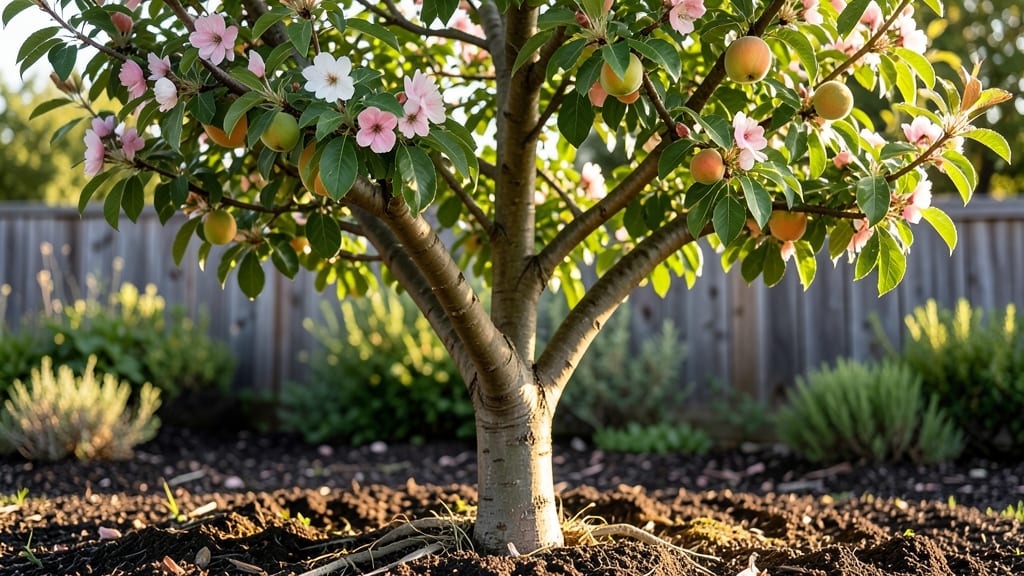
Growing a peach tree from seed to fruit is a 7-year adventure that rewards patience with sun-dappled branches heavy with juicy, homegrown sweetness. 🌱 I've watched my first seedling stretch from a 2-inch sprout to a 12-foot tree bearing its first peaches—each step requiring different care, from winter chilling to summer pruning.
The biggest challenge isn't the growing itself—it's the timeline. Most gardeners quit after the first two years when nothing looks promising, but that's when roots are establishing deep. You'll need to track chill hours (300-500, depending on variety) and protect young trees from late frosts, which can kill new growth.
By year 5, you'll see flowers for the first time, followed by tiny, tart fruits that improve with each passing season. The payoff comes in year 7 when your tree produces full-sized, flavorful peaches—nothing beats the taste of fruit you grew from a single pit.
This method works best in USDA zones 5-9, but even in colder climates, container growing extends the season. Let's break it down step by step so you don't miss a thing.
📚 In This Guide
- What you need
- Instructions
- Tips and common mistakes
- Wrapping up and next steps
What you need
- ● Peach pit (seed): 1 fresh, fully ripe peach pit (avoid store-bought pits—use organic or homegrown for best results).
- ● Potting soil: 1 bag (1-2 cubic feet) of well-draining, sterile potting mix (look for a blend labeled for seed starting or fruit trees).
- ● Small pots or seed trays: 2-3 (4-6 inches deep) with drainage holes. Pro tip: 💡 Use biodegradable pots to avoid transplant shock later!
- ● Grow lights or sunny windowsill: A full-spectrum LED grow light (12-16 inches tall) or a south-facing window with 6+ hours of sunlight daily.
- ● Plastic wrap or humidity dome: To retain moisture while germinating.
- ● Spray bottle: For gentle watering (avoid over-saturating the soil).
- ● Fertilizer: A balanced, water-soluble fertilizer (e.g., 10-10-10) or organic options like fish emulsion or compost tea.
- ● Pruning shears: Sharp, clean pair for trimming as the tree grows.
- ● Refrigerator or cold stratification setup: A zip-top bag + moist paper towels to mimic winter chill hours (if your climate lacks them).
- ● Soil moisture meter: To track hydration without guesswork.
- ○ Rooting hormone: Speeds up germination (optional but handy for stubborn seeds).
- ● Mulch (wood chips or straw): Protects young trees from temperature swings.
- ● Tree support stake: For windy areas (once transplanted outdoors).
- ● Pollination aid: A small paintbrush or bee-friendly garden to hand-pollinate flowers (if growing indoors).
Step-by-step guide to growing a peach tree from seed to fruit
Here’s how to nurture a peach tree from a single seed to a fruiting tree—patience and chill hours are your allies.
🌱 Step 1: Extract and Stratify the Seed
Peach pits contain a hard outer shell that blocks moisture and oxygen, so you’ll need to break it open carefully. Use a hammer and chisel to crack the pit lengthwise, then pry open the shell with a butter knife to reveal the seed inside. Remove the seed and discard the pit halves—never plant the pit whole, as it won’t germinate.
Next, place the seed in a sealed plastic bag with a damp paper towel. Store it in your refrigerator’s crisper drawer for 90-120 days to fulfill its chill-hour requirement (typically 300-600 hours below 45°F). This mimics winter’s natural dormancy period. Check the seed weekly—if the paper towel dries out, mist it lightly. Once the seed shows a tiny white root emerging, it’s ready to plant.
🌱 Step 2: Plant the Stratified Seed
Fill a 4-inch deep container with sterile potting mix (not garden soil) and moisten it until damp but not soggy. Plant the seed 1 inch deep, pressing the soil gently around it to ensure good contact. Place the container in a warm, sunny spot—peach seeds germinate best at 70-75°F. Cover the container loosely with plastic wrap to retain humidity, but remove it daily for 10 minutes to prevent mold.
Germination can take 2-4 weeks. You’ll know it’s working when the first true leaves (not the initial seed leaves) appear. At this stage, move the seedling to a south-facing window or under a grow light for 12-14 hours daily. Without enough light, the seedling will grow leggy and weak—watch for stems stretching toward the light or leaves turning pale.
☀️ Step 3: Transplant and Prune for Structure
Once the seedling reaches 6-12 inches tall (usually 4-6 months after germination), transplant it into a 5-gallon pot with well-draining soil. Choose a spot with full sun (at least 8 hours daily), as peach trees need intense light to develop strong wood and fruit. Water deeply after transplanting to settle the soil around the roots, then let the top 1 inch dry out before watering again.
Prune the seedling to encourage a strong, open canopy. Remove any crossing or inward-growing branches with clean sterilized pruners, cutting just above a bud or outward-facing branch. This prevents disease and improves airflow. In its first year, the tree will focus on root and trunk growth—don’t expect fruit yet. Instead, watch for new growth flushes in spring, which signal it’s adapting to outdoor conditions.
⏰ Step 4: Manage Growth and Chill Hours for Fruit
Peach trees need 3-5 years to bear fruit, but their success depends on chill hours. If you live in a warm climate (fewer than 200 chill hours), you’ll need to extend stratification or plant in a high-elevation area. In colder climates, protect young trees from late frosts (below 28°F) by wrapping the trunk with burlap or using a tree guard.
Fertilize lightly in early spring with a balanced 10-10-10 fertilizer, following package rates. Over-fertilizing leads to excessive leaf growth at the expense of fruit. By year 3, you may see blossoms—remove them to redirect energy into trunk and branch development. In year 4 or 5, if the tree receives enough chill hours, you’ll finally get peaches, though they may be small and irregular. Patience is key—commercial peach trees are grafted for consistency, but seed-grown trees develop unique traits over time.
Tips & tricks for growing a peach tree from seed
Here's what I've learned from years of growing peach trees—these details make all the difference between a thriving tree and a failed experiment.
Seed Extraction Precision: When cracking open that peach pit, be patient with the hammer and chisel—you're not just opening a seed, you're revealing the future of your tree. I've ruined three seeds by applying too much force, so work gently in small taps. The goal is to split the pit cleanly down the middle without crushing the seed inside. Once exposed, handle the seed with clean hands or gloves to prevent any contamination that could hinder germination.
Chill Hour Accuracy: The 90-120 day stratification period is non-negotiable for most peach varieties, but here's the secret: track those chill hours precisely. Use a small thermometer in your fridge to confirm it stays consistently below 45°F. I once extended a seed's stratification to 130 days in a warmer fridge (around 48°F) and it still germinated, but the resulting tree took an extra year to flower. For best results, stick to the 300-600 hour target and monitor weekly moisture levels—damp (not wet) paper towels are crucial.
Germination Environment: That 70-75°F germination temperature range is ideal, but achieving it can be tricky. I solved this by placing my seedling container on top of my refrigerator (not inside) where it maintains a steady warm spot. The plastic wrap helps retain humidity, but remember to remove it daily for 10 minutes to prevent mold growth. Watch for those first true leaves—they're your signal that the seedling is ready for more intense light. Without proper light exposure, you'll end up with a leggy, weak seedling that struggles to establish itself.
Transplant Timing: The 4-6 month window for transplanting is actually quite flexible, but don't wait too long. I've seen seedlings that reached 12 inches but had weak stems from being root-bound. When transplanting into your 5-gallon pot, make sure to loosen the roots gently before placing them in the new soil. This encourages better root spread and establishment. After transplanting, water deeply but let the top inch dry out before watering again—this prevents root rot while encouraging deep root growth.
Pro Tips for Peach Tree From Seed To Fruit
- Here's what I've learned from years of growing peach trees—these details make all the difference between a thriving tree and a failed experiment.
- Seed Extraction Precision: When cracking open that peach pit, be patient with the hammer and chisel—you're not just opening a seed, you're revealing the future of your tree.
- Chill Hour Accuracy: The 90-120 day stratification period is non-negotiable for most peach varieties, but here's the secret: track those chill hours precisely.
Frequently asked questions
Got questions about growing a peach tree from seed to fruit?
You’re not alone! Here are answers to the most common queries—from patience to pitfalls—so you can grow that dream peach tree with confidence.
How long does it take for a peach tree grown from seed to bear fruit?
A peach tree grown from seed typically takes 5–7 years to bear fruit, if it ever does. Seed-grown trees often lack the consistent quality of grafted varieties (like reliable flavor or size). For faster, sweeter results, consider grafting a known cultivar onto your seedling later.
What are "chill hours," and how do I know if my climate is right for peaches?
Peach trees need 300–1,000 chill hours (temperatures between 32–45°F) annually to flower and fruit. Check your USDA zone—most peaches thrive in zones 5–9. If you’re in a warm climate (e.g., zone 10+), opt for low-chill varieties like ‘Redhaven’ or ‘Elberta’ (200–400 hours).
Can I grow a peach tree from any store-bought peach pit?
Yes, but with caveats! Store-bought pits may be treated to prevent sprouting. For best results, soak the pit in water for 24–48 hours to soften the shell, then plant it shallowly in moist soil. Only about 10–20% will germinate, and the tree may not match the parent fruit’s quality.
What’s the biggest challenge when growing peaches from seed?
The top hurdles are:
- Unpredictable traits: Seedlings may produce small, tart, or even inedible fruit.
- Slow growth: Seedlings are vulnerable to pests (like aphids or borers) and need protection.
- Pollination issues: Some seed-grown trees may be self-unfruitful.
Is it better to grow a peach tree from seed or buy a grafted sapling?
For reliable fruit, grafted saplings win—they’re disease-resistant, produce consistently, and bear fruit in 2–3 years. Seedlings are a fun experiment but gamble on quality. If you love the challenge, start with seeds and graft a known variety onto the seedling later for the best of both worlds!
Wrapping up and next steps
Growing a peach tree from seed to fruit is a rewarding journey that blends patience, care, and a dash of science—especially when accounting for those all-important chill hours. 🌱 From selecting the right seed to nurturing your sapling through dormancy and bloom, every step builds toward that sweet, sun-kissed harvest.
Remember, nature’s timeline is your guide, but your dedication makes the difference!
Ready to take the next step? Plant your seeds today and start tracking your tree’s progress. Whether you’re a first-time gardener or a seasoned green thumb, this process is as much about the adventure as it is about the fruit. Happy growing—and may your peaches be plentiful! 🍑✨